2025 Guide: How to Achieve Perfect Stainless Welding Techniques
In the realm of metalworking, stainless welding stands as a crucial skill that requires precision, technique, and a deep understanding of materials. As the demand for high-quality stainless steel products continues to escalate in various industries, mastering the art of stainless welding has never been more essential. This guide aims to equip both novice and experienced welders with the knowledge and techniques necessary to achieve flawless results when working with stainless steel.
Stainless welding involves unique challenges due to the distinct properties of the material, including its susceptibility to corrosion and the need for proper heat management. Achieving the perfect weld not only enhances the structural integrity of the workpiece but also ensures its aesthetic appeal. In this guide, we will explore the best practices, essential tools, and crucial tips to elevate your stainless welding skills. Whether you are looking to improve your personal projects or enhance your professional capabilities, understanding the nuances of stainless welding will set you apart in your craft. Join us as we delve into the techniques that will lead you toward excellence in the art of stainless welding.
Understanding the Basics of Stainless Steel Welding
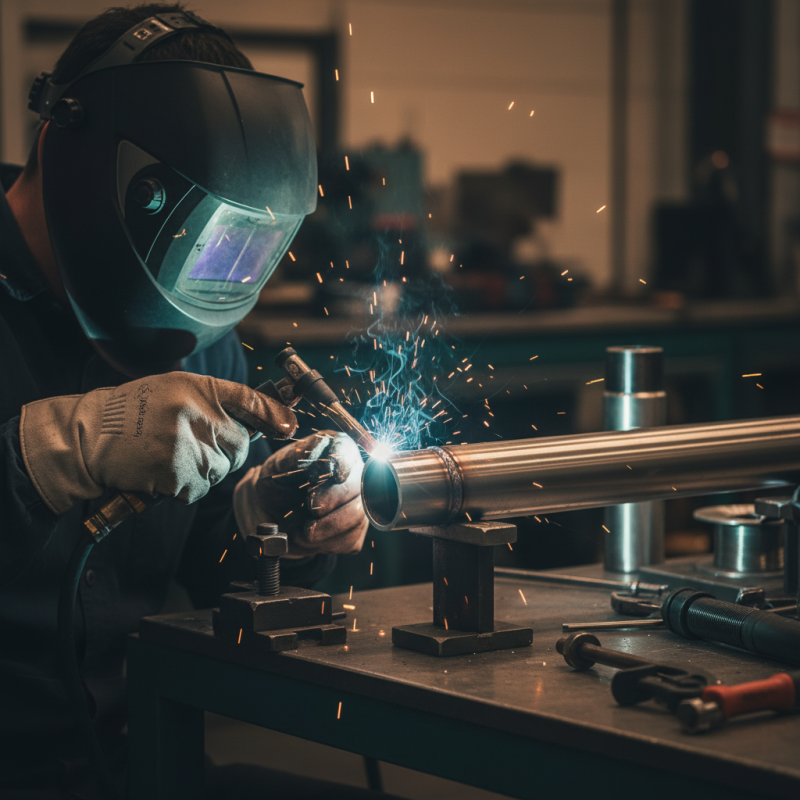
Stainless steel welding is a vital skill in various industries, requiring a comprehensive understanding of its fundamental principles. To begin with, one must grasp the unique properties of stainless steel, such as its resistance to corrosion and oxidation. These properties arise from the presence of chromium, which forms a protective layer on the surface of the metal. Understanding these characteristics is crucial, as they influence not only the choice of welding techniques but also the selection of appropriate filler materials and shielding gases, which can greatly affect the final weld quality.
Additionally, knowledge of the different welding methods, including MIG, TIG, and stick welding, is essential for achieving perfect results. Each technique has its own set of advantages and limitations when it comes to welding stainless steel. For instance, TIG welding offers greater control and produces cleaner welds, making it ideal for thin materials, while MIG welding is typically faster and more efficient for thicker sections. It is also important to consider pre-weld preparation, which involves cleaning the stainless steel surface to remove any contaminants that could compromise the weld. By mastering these basics, welders can ensure strong, aesthetically pleasing joints that meet the high standards required for stainless steel applications.
Essential Tools and Equipment for Stainless Steel Welding
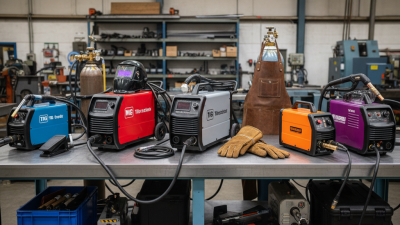
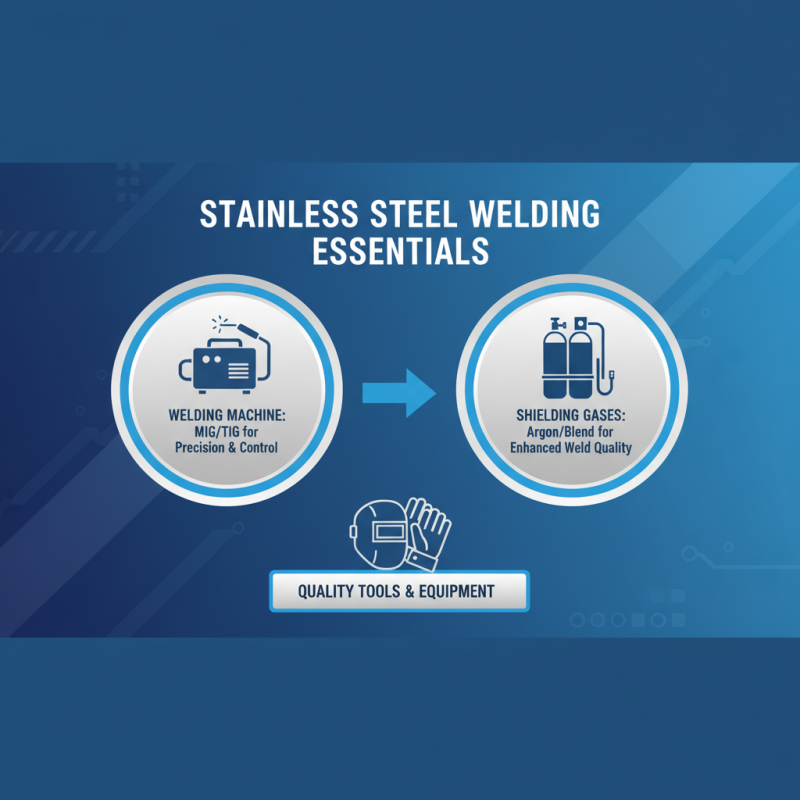
When it comes to stainless steel welding, having the right tools and equipment is crucial for achieving high-quality results. Among the primary essentials is a reliable welding machine. A MIG (Metal Inert Gas) or TIG (Tungsten Inert Gas) welder can provide excellent control and precision, making them ideal for stainless steel projects where cleanliness and accuracy are paramount. Additionally, investing in good quality gas cylinders for shielding gases, such as argon or a blend suitable for stainless steel, will enhance the conductivity and overall weld quality.
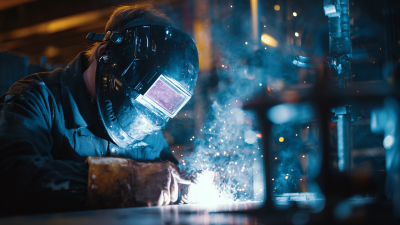
In addition to the welding machine, personal protective equipment (PPE) is vital for safety and comfort. A good welding helmet with appropriate shading is essential to protect the eyes from harmful UV rays emitted during welding. Wearing flame-resistant clothing, gloves, and steel-toed boots will offer further protection against sparks and potential hazards on the job site. Furthermore, proper preparation tools, such as grinders and brushes for cleaning the stainless steel surfaces, play a significant role in achieving optimal welds by reducing contamination and ensuring strong adhesion during the welding process.
Techniques for Achieving Strong and Clean Welds
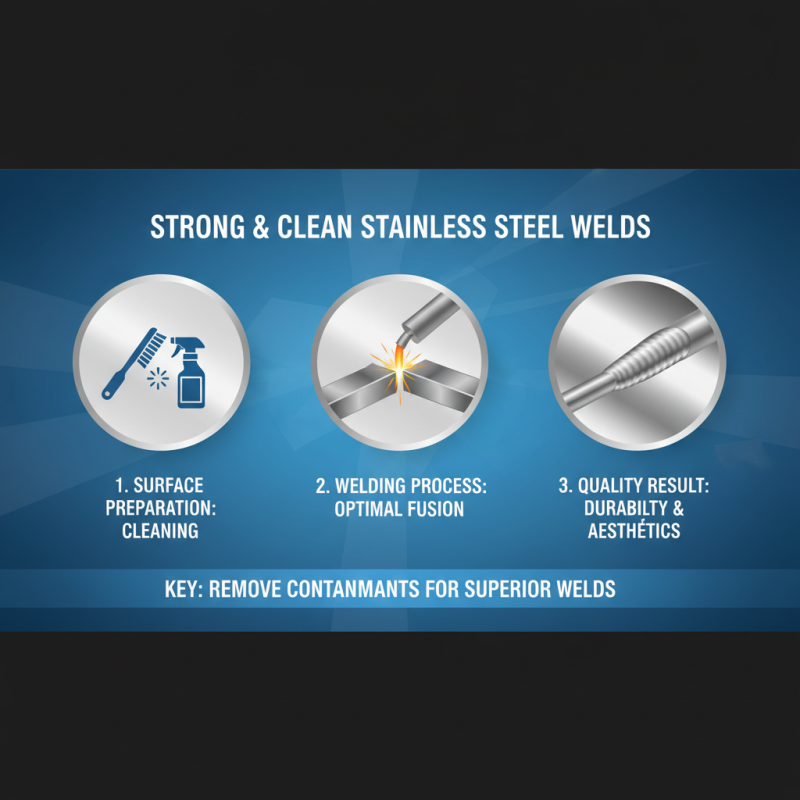
Achieving strong and clean welds in stainless steel is a critical skill for fabricators and welders, ensuring durability and aesthetic integrity in the final product. One of the primary techniques to enhance weld quality is proper preparation of the surfaces to be joined. This involves thorough cleaning to remove any contaminants such as oils, dirt, or oxidation that could interfere with the weld. Using dedicated stainless steel brushes or chemical cleaners allows for a clean surface free from impurities, ensuring optimal fusion during the welding process.
Another essential technique is to control the heat input during welding. Stainless steel has a low thermal conductivity, which means excess heat can lead to warping and affect the strength of the weld. To combat this, it’s crucial to select the appropriate electrode size and welding parameters. Using a fast travel speed can help manage heat input while maintaining a strong arc, resulting in neat bead formation. Additionally, employing techniques like stringer beads or weaving patterns can further enhance the quality of the weld, providing a solid joint without excessive buildup. By focusing on these methods, welders can consistently achieve robust and aesthetically pleasing stainless steel welds.
Common Challenges and Solutions in Stainless Steel Welding
Welding stainless steel presents unique challenges that can hinder the quality and integrity of the final product. One common issue is the occurrence of weld discoloration, often caused by excessive heat or improper shielding gas. This not only detracts from the aesthetic appeal but can also compromise corrosion resistance. To address this, welders should employ appropriate heat settings and utilize back purging techniques to ensure that the weld area is shielded from atmospheric contamination during the process.
Another significant challenge in stainless steel welding is achieving proper penetration without risking burn-through, especially when working with thin materials. In such cases, a careful balance of electrode angle and travel speed is crucial. Slow and steady movement can help improve penetration while minimizing the risk of overheating the base material. Additionally, using filler material that matches the base metal can enhance the fusion and strength of the weld joint. By understanding these common obstacles and implementing targeted solutions, welders can master the art of stainless steel welding, leading to stronger and more aesthetically pleasing results.
2025 Guide: How to Achieve Perfect Stainless Welding Techniques - Common Challenges and Solutions in Stainless Steel Welding
| Challenge |
Description |
Common Causes |
Solutions |
| Porosity |
Presence of small holes or voids in the weld |
Contaminated surfaces, improper shielding gas |
Clean the base metal, check gas flow rates |
| Cracking |
Fractures in the weld or base material |
High carbon content, rapid cooling |
Use low-carbon fillers, control cooling rates |
| Inadequate Penetration |
Insufficient fusion between weld bead and base metal |
Incorrect electrode angle, low heat settings |
Adjust angle, increase amperage |
| Discoloration |
Color changes on the weld surface |
Overheating, poor gas coverage |
Optimize gas flow, maintain proper heat |
| Underfill |
Weld bead is below the surface of the base metal |
Insufficient filler material, incorrect travel speed |
Increase filler addition, adjust travel speed |
Safety Practices and Precautions in Stainless Steel Welding
When engaging in stainless steel welding, safety practices and precautions are paramount to ensure the well-being of the welders and the quality of the work. First and foremost, wearing appropriate personal protective equipment (PPE) is essential. This includes welding helmets with proper shading, gloves, flame-resistant clothing, and steel-toed boots. These items protect against sparks, UV radiation, and heat, minimizing the risks of burns or eye injuries.
Additionally, ensuring proper ventilation in the workspace is critical. Welding generates fumes that can be hazardous to health, especially in enclosed spaces. Utilizing exhaust fans or welding fume extractors can significantly reduce the concentration of harmful gases. Always keep a first-aid kit within reach and make sure all workers are familiar with its location and contents.
**Tips:** Always inspect your equipment and workspace before starting any welding project. Look for any potential hazards such as flammable materials or inadequate lighting. Regular breaks during welding can help reduce fatigue, which is a common cause of accidents. Finally, engage in regular safety training sessions to keep welding skills sharp and awareness high.
2025 Guide: Welding Safety Practices and Precautions

 WeChat Online Service