What Is an AC DC TIG Welder and How Does It Work?
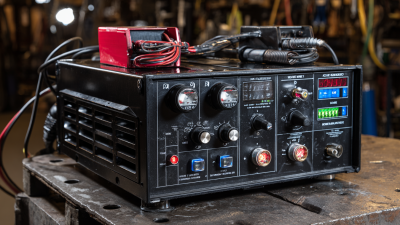
An Ac Dc Tig Welder is a machine for gas tungsten arc welding that can supply both alternating current (AC) and direct current (DC). It lets welders choose a current type suited to the metal, joint, and task. The process uses a non-consumable tungsten electrode, a shielding-gas flow, and usually a separate filler rod. The arc is small and controlled. Clean preparation still matters.
On many steels and stainless steels, DC is commonly used because it supports a steady arc and controlled heat input. Aluminum is different. Its tough oxide layer makes AC useful: alternating current provides a cleaning action during part of each cycle while helping form the weld. Many machines also let users adjust AC balance and frequency. Those controls affect cleaning, arc focus, and heat distribution, but the best settings depend on material thickness, joint shape, and equipment.
That is the basic idea. In practice, settings take adjustment.
This guide explains how AC and DC modes work, what the machine’s controls change, and how to make sensible choices for common materials. It also covers practical setup details, such as electrode selection, shielding gas, torch handling, and workpiece cleanliness. These details are not interchangeable: follow the welder manufacturer’s instructions and use suitable eye, skin, and fume protection. A machine’s specifications can look impressive, yet technique and preparation often decide the result. Even experienced welders may need test beads before settling on settings. There is no universal dial position. The goal is to understand what each control does, then verify the result on the actual material.
What an AC/DC TIG Welder Is
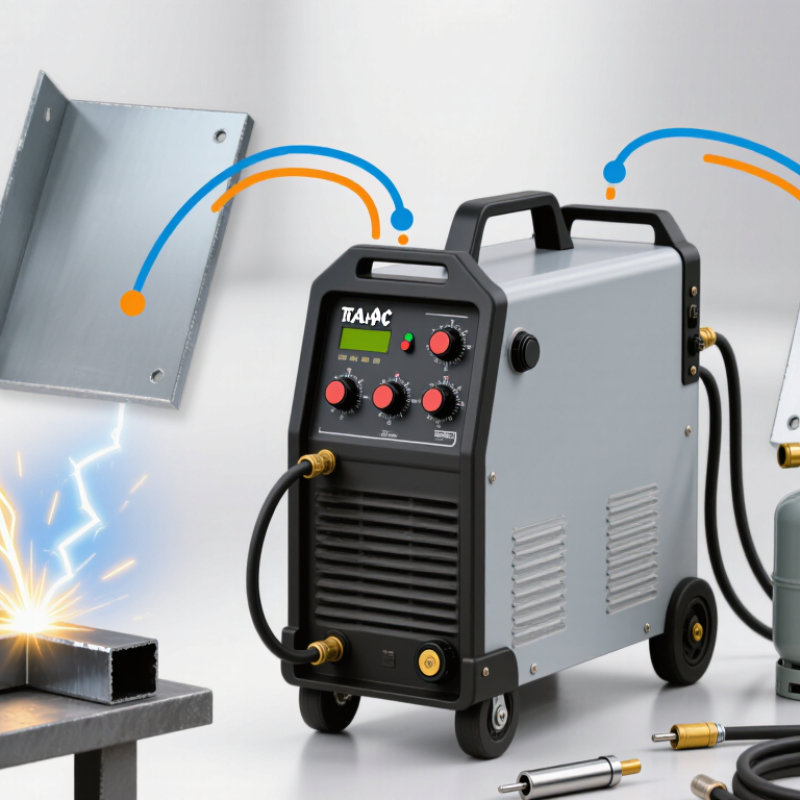
An AC/DC TIG welder is a power source for gas tungsten arc welding. It creates an electric arc between a non-consumable tungsten electrode and the workpiece. The welder can supply either direct current (DC) or alternating current (AC). A torch, shielding gas, and optional filler rod complete the setup. The arc is precise. This control helps produce clean, narrow welds on thin material, though it takes practice to maintain a steady torch angle.
On DC, current flows in one direction, making it suitable for many steels and stainless steels. AC changes direction repeatedly during welding. That action helps disrupt the tough oxide layer on aluminum, while still providing heat to form the weld. Settings such as AC balance and pulse control affect how the arc behaves. Their best values depend on the metal’s thickness, joint shape, and cleanliness.
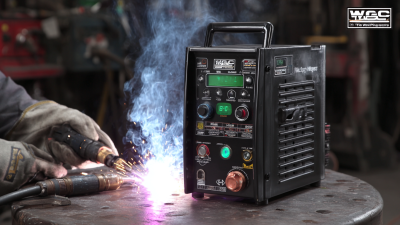
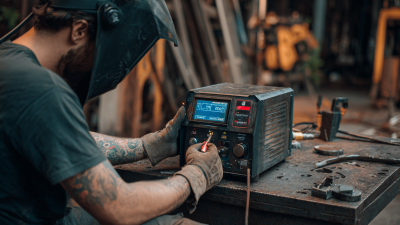
A typical setup includes a foot pedal or torch control for adjusting heat as you work. You may notice the puddle respond quickly, especially on thin sheet. That responsiveness is useful, but it can also make small hand movements visible in the bead. AC/DC capability does not guarantee a good weld; clean metal, correct tungsten preparation, and steady travel still matter. Even experienced welders may need a test piece before settling on settings.
How Alternating and Direct Current Affect Welding
What Is an AC DC TIG Welder and How Does It Work?
How Alternating and Direct Current Affect Welding
An AC/DC TIG welder can switch between alternating current and direct current to suit different metals. With DC, current flows in one direction. DC electrode-negative concentrates heat in the workpiece, creating a stable arc and deeper penetration on materials such as steel and stainless steel. The puddle often moves predictably, though fit-up and travel speed still matter.
AC repeatedly changes direction. During the electrode-positive portion, the arc helps break up the oxide layer on aluminum; during the electrode-negative portion, more heat reaches the workpiece. That balance makes AC useful for aluminum, but it also heats the tungsten more than DCEN does. AC frequency and balance settings affect arc width and cleaning action. A neat-looking bead is not proof that the settings are right; inspect the joint and adjust carefully.
Tips: Clean the metal before welding, and use a sharp tungsten suited to the process. Start with the machine’s recommended settings, then test on a similar scrap piece. Watch the puddle: excessive cleaning can widen the bead, while too little may leave oxide behind. Small changes help. Keep notes, because the same setting may behave differently with another joint or material thickness.
Key Components and Their Functions
An AC/DC TIG welder uses a controlled electrical arc to melt metal while shielding gas protects the weld pool. Its power source supplies either alternating current (AC) or direct current (DC). AC is commonly used on aluminum because its changing polarity helps disrupt the tough oxide layer. DC is often selected for steel and stainless steel, where a steady arc supports controlled penetration.
The TIG torch holds a non-consumable tungsten electrode and directs shielding gas around the arc. The electrode does not normally become part of the weld. Filler rod, when needed, is fed separately by hand. A work clamp completes the electrical circuit. Many machines also include a foot pedal or torch control, letting the welder adjust current while working. AC balance changes the mix of cleaning action and penetration; AC frequency can make the arc feel broader or more focused. These controls matter, but their ideal settings depend on the joint and material thickness.
Tips: Keep the tungsten clean and the gas cup close to the work without touching it. Check the clamp connection if the arc feels unstable. A detail I still watch carefully is pedal pressure: small changes can alter a thin weld quickly.
How an AC/DC TIG Welder Operates Step by Step
An AC/DC TIG welder regulates current to create a controlled arc between a tungsten electrode and the workpiece. The operator selects the current type and amperage before welding. DC electrode-negative is commonly used for steel and stainless steel because it concentrates heat in the workpiece. AC is often chosen for aluminum, where alternating polarity helps disrupt the surface oxide layer. That matters.
The process begins by cleaning the joint, fitting a suitable tungsten electrode, and setting shielding-gas flow. Argon flows through the torch to protect the hot metal from air. The welder then starts the arc, often with a high-frequency start or a lift-start method. Once the arc is stable, its heat forms a small molten pool. Watch the puddle. Move the torch steadily along the joint, adding filler rod by hand when the joint needs extra metal. A foot pedal or torch control can adjust amperage as the pool grows or shrinks.
With AC, the current repeatedly changes direction. The machine’s balance setting adjusts the mix of oxide-cleaning action and electrode-negative heating; the useful setting depends on the material and surface condition. After completing the weld, release the control while keeping the torch over the hot area briefly. Post-flow gas shields the tungsten and weld as they cool. In practice, the puddle may respond more slowly than expected, especially on thicker metal, so small adjustments are easier to judge than sudden changes.
What Is an AC/DC TIG Welder and How Does It Work?
AC/DC TIG operation, step by step: The power source creates a controlled welding current; in DCEN, current flows with the electrode negative for welding, while AC alternates between electrode-negative and electrode-positive phases. On aluminum, the electrode-positive phase helps break up surface oxides. This illustrative waveform shows a symmetrical 50 Hz AC cycle at 100 A; actual settings and waveforms vary by machine and application.
Materials and Welding Tasks Suited to AC/DC TIG?
An AC/DC TIG welder suits jobs where material choice changes from one project to the next. It switches between alternating current and direct current, so the welding process can match different metals. AC is commonly used for aluminum and magnesium, whose surface oxides can make welding difficult. The changing current helps disrupt that oxide layer while the weld forms. Useful on oxide-forming metals.
With DC TIG, steel, stainless steel, and many nickel alloys are common choices. Copper can also be welded with TIG, though its high heat conductivity demands careful heat control. Thin sheet, clean edges, and close-fitting joints often suit this process well. A small stainless bracket, for example, can be welded with a controlled arc and a neat bead. Small details matter.
AC/DC equipment is useful in repair shops, fabrication work, and projects that involve both aluminum and steel. Still, having both current options does not make every task easy. Thick aluminum may need substantial heat and sound joint preparation; very thin material can distort quickly. It is easy to blame the machine when a dirty joint is the real problem. Matching the current, tungsten, filler metal, and technique to the material takes practice.
 WeChat Online Service