Leave Your Message

Top 10 Aluminum Welder Trends for 2026 Canton Fair?

As we approach the 2026 Canton Fair, the spotlight is on Aluminum Welder trends. This event will showcase innovations in advanced manufacturing and new materials. With an emphasis on effective solutions, the industry is evolving rapidly. The integration of AI technologies will enhance the buyer experience significantly.

Attendees should expect AI-driven tools for efficient sourcing. They will streamline the process of finding certified suppliers, including those in aluminum welding. The Fair spans over 155,000 square meters, making navigation essential. Quick and precise navigation tools may help. However, reliance on technology should raise questions about human interaction.

While advancements are exciting, there are challenges. The aluminum welding sector must adapt to changing demands. Sustainability and quality remain pivotal issues. New trends can spark discussion on best practices in compliance and innovation. Each step taken should consider the environmental impact. The Fair will be a crucial platform to reflect on these dynamics.

Top 10 Aluminum Welder Trends for 2026 Canton Fair?

Emerging Welding Technologies for Aluminum in 2026

As we approach the 2026 Canton Fair, emerging welding technologies for aluminum are gaining traction. The global aluminum welding market is expected to grow at a compound annual growth rate (CAGR) of 5.2% from 2022 to 2026, reflecting a strong demand for efficient welding solutions. Innovations like laser welding and friction stir welding are set to revolutionize the industry. These methods offer precision and reduced heat input, minimizing distortion in welded components.

Additionally, robotics and automation in aluminum welding are becoming prominent. Reports indicate that over 30% of aluminum welding processes will use automated systems by 2026. This shift promises to enhance productivity and ensure consistent quality. However, the need for skilled operators to manage these advanced technologies remains a challenge. Many companies still struggle with the integration of automation into their existing workflows.

Moreover, new filler materials and alloys are emerging. These advancements aim to improve corrosion resistance and enhance joint strength. Yet, not all manufacturers are adapting quickly. The gap between adopting new technologies and addressing workforce readiness could lead to operational inefficiencies. As the industry evolves, balancing these aspects will be crucial for a successful transition to cutting-edge aluminum welding practices.

Top 10 Aluminum Welder Trends for 2026 Canton Fair

This chart illustrates the projected adoption rates of various emerging welding technologies for aluminum by 2026. The data represents a percentage of anticipated market share among different technologies.

Innovations in Aluminum Alloy Selection for Welding

The innovation in aluminum alloy selection for welding is a growing trend that will shape the industry in 2026. Manufacturers are increasingly exploring advanced aluminum alloys that offer better strength and improved corrosion resistance. These materials are lightweight yet durable, perfect for various applications. This focus on innovative alloys reflects a shift toward efficiency and sustainability.

While many new alloys show promise, adapting to these changes can be challenging. Welders need to familiarize themselves with different properties and their welding behaviors. Some alloys may not be compatible with conventional welding techniques. Experimentation is essential, but not always straightforward. Mistakes can lead to wasted materials and time, a reminder of the learning curve involved.

The evolution of aluminum alloys also leads to questions about traditional practices. Are existing techniques sufficient for these new materials? Will they require additional training for welders? These uncertainties present both challenges and opportunities in the welding field. Embracing change while navigating these complexities will define the future of aluminum welding.

Top 10 Aluminum Welder Trends for 2026 Canton Fair - Innovations in Aluminum Alloy Selection for Welding

Trend Description Impact on Welding Industry Predicted Outcomes
Increased Use of Lightweight Alloys Growing demand for lightweight structures in automotive and aerospace. Enhanced fuel efficiency and lower emissions. Wider adoption of aluminum in high-performance applications.
Advanced Welding Technologies Integration of automation and robotics in welding processes. Increased precision and efficiency in welding operations. Reduction in labor costs and cycle times.
Innovative Flux and Filler Materials Development of new flux and filler materials to improve weld quality. Enhanced resistance to corrosion and improved mechanical properties. Higher performance and durability of welded joints.
Sustainability Initiatives Move towards eco-friendly welding practices and materials. Reduced environmental footprint of manufacturing processes. Greater regulatory compliance and market acceptance.
Hybrid Welding Techniques Combining different welding methods for better results. Improved mechanical properties and joint integrity. Broadening application scope in complex assemblies.
Digital Solutions in Welding Using software for welding simulation and quality control. Higher accuracy in weld design and execution. Enhanced production efficiency and product consistency.
Training and Skill Development Focus on upskilling workforce in new technologies and techniques. Increased competency and safety in welding operations. A more skilled workforce to meet industry demands.
Customization of Welding Equipment Tailored solutions for specific welding applications and challenges. Increased efficiency and effectiveness in high-demand sectors. More companies could enhance their competitive edge.
Integration of AI in Welding Processes Use of artificial intelligence for monitoring and optimizing processes. Improved predictive maintenance and reduced downtime. More intelligent manufacturing operations.

Sustainable Practices in Aluminum Welding by 2026

Sustainable practices in aluminum welding are increasingly important as the industry moves toward eco-friendliness. By 2026, the focus will shift from traditional methods to greener alternatives. Companies are seeking innovative solutions that reduce waste and energy consumption. It’s clear that adopting these practices is not just beneficial for the environment; it also enhances operational efficiency.

Tips: Consider using energy-efficient welding machines. They may cost more upfront but save money in the long run. Training staff on sustainable techniques is key. Employees need to understand the importance of waste reduction.

In the push for sustainability, some welders may struggle to find the right materials. The challenge lies in balancing quality with ecological impact. Recycling aluminum can be complex, and many are unsure how to start. However, local suppliers often provide recycled options that maintain quality standards. Exploring these avenues is essential for responsible welding practices.

Trends in Automation and Robotics for Aluminum Welding

Top 10 Aluminum Welder Trends for 2026 Canton Fair?

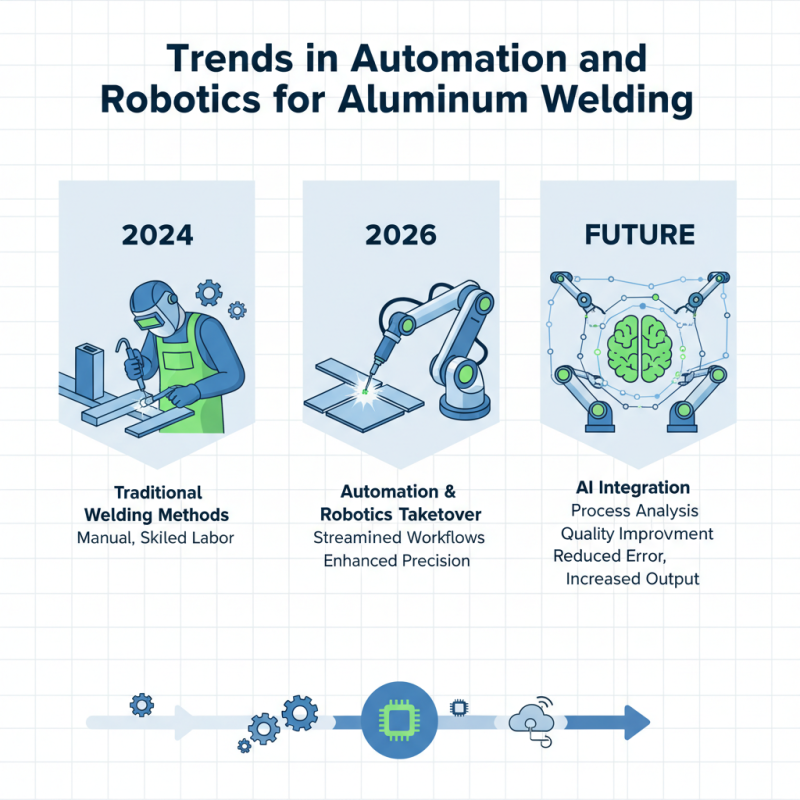
The world of aluminum welding is rapidly evolving. In 2026, automation and robotics will reshape this industry. Advanced robotic systems will streamline workflows and enhance precision. These machines can reduce human error and increase output efficiency. Manufacturers may integrate artificial intelligence to analyze processes and improve quality.

Tips: Invest in training. Even with automation, skilled operators are essential. Understanding the technology helps improve productivity.

Robot-assisted welding systems will take center stage at the Canton Fair. They offer numerous benefits, including increased safety and consistency. However, challenges exist. Adopting new technology can be daunting. Some workers may feel threatened by automation. It’s crucial to build a collaborative environment to alleviate these concerns.

Tips: Encourage open discussions about automation. Address fears and highlight benefits to foster acceptance. Continuous learning is the key.

The trend towards automation is clear, but reflection is needed. Not all businesses are ready. Transitioning takes time and investment. Evaluating each company’s unique needs will lead to better integration.

Skill Development and Training for Aluminum Welders in 2026

Top 10 Aluminum Welder Trends for 2026 Canton Fair?

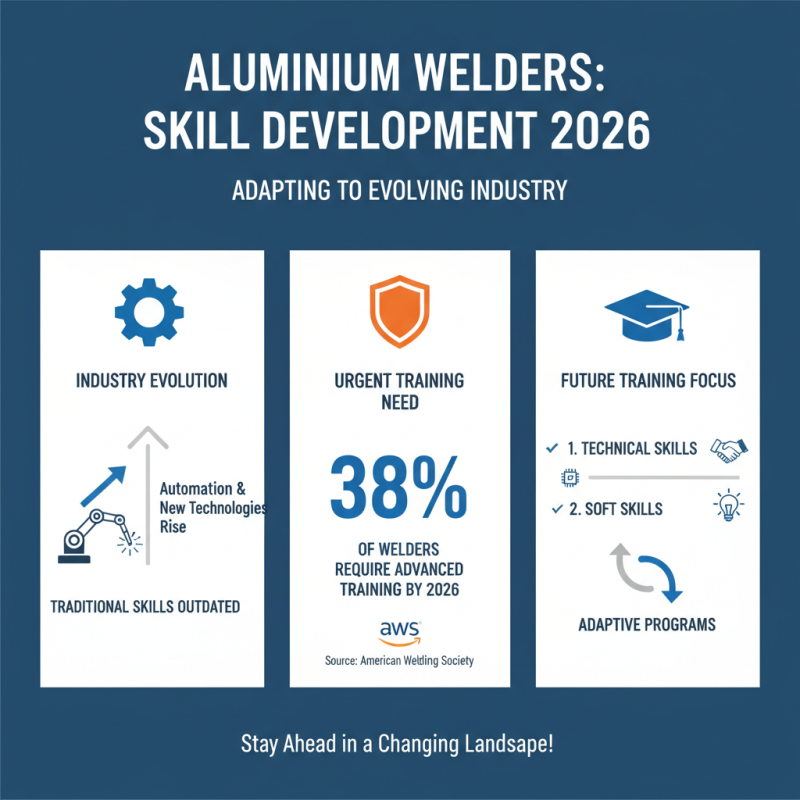
As the aluminum welding industry continues to evolve, skill development becomes increasingly important. In 2026, data from the American Welding Society suggests that up to 38% of welders will need advanced training. With the rise of automation and new technologies, traditional skills may soon become outdated. Training programs must adapt to these changes, emphasizing both soft and technical skills.

Industry reports indicate that 70% of employers value hands-on experience over certifications alone. This highlights the necessity of practical training. Workshops and real-world scenarios are essential for effective skill acquisition. For instance, simulations of complex welds can bridge the gap between theory and practice. However, many training centers struggle with resources. Limited funding often results in outdated equipment, which can hinder learning.

Moreover, there's a gap in mentorship within the industry. A report from the Welding Institute reveals that 55% of novice welders feel unprepared for real-world challenges. This highlights a need for experienced professionals to guide newcomers. Encouraging mentorship can foster a collaborative learning environment that benefits everyone involved. Developing these skills is not just a personal journey but vital for the industry's future.