Top 10 Benefits of Using Digital Welding Machines in Modern Manufacturing?
In today's manufacturing landscape, the adoption of Digital Welding Machines is transforming production processes. Industry reports indicate that digital welding technologies can enhance productivity by up to 30%. Renowned expert Dr. Linda Grant, a leader in welding innovation, notes that "the precision offered by Digital Welding Machines can significantly reduce rework and waste."
These machines operate with advanced algorithms, allowing for higher accuracy and efficiency. This shift not only saves time but also lowers costs associated with traditional welding practices. However, some companies struggle with the initial investment needed for such technology. The transition process can also present challenges, including the need for employee training.
Digital Welding Machines represent a powerful evolution in manufacturing. As industries aim for greater sustainability and efficiency, these machines offer promising solutions. Yet, manufacturers must reflect on their capabilities and readiness to embrace this technological change. The potential benefits are undeniable, but the path to implementation may not be straightforward.
Advantages of Precision and Accuracy in Digital Welding Machines
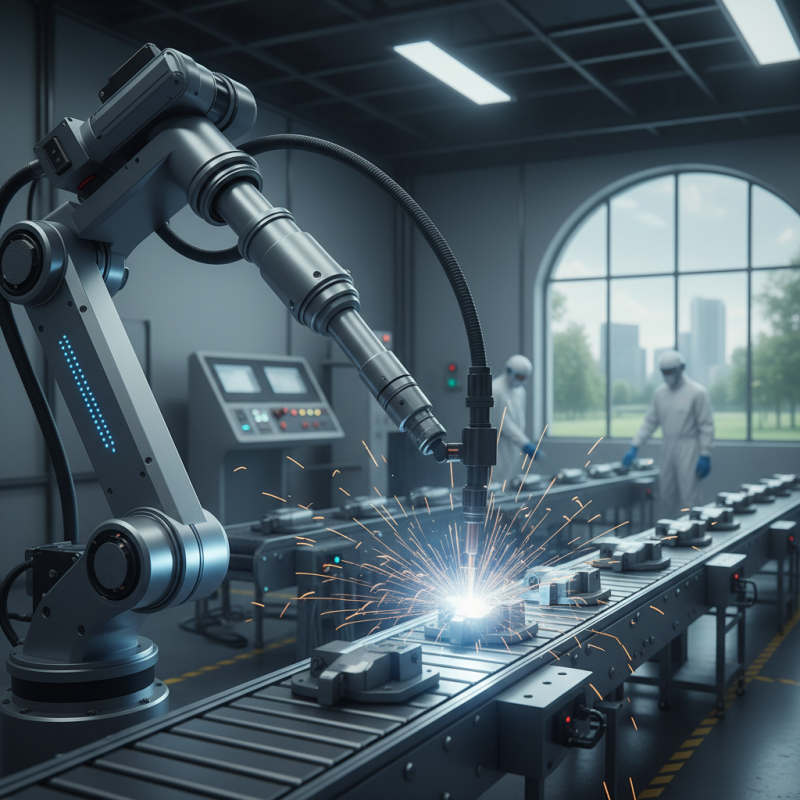
Digital welding machines revolutionize manufacturing with enhanced precision and accuracy. These tools allow for tighter tolerances, significantly improving overall quality. The ability to control power and speed more precisely leads to better welds. This reduces the likelihood of defects and rework, saving time and resources.
Tip: Regular calibration is crucial. Ensure your digital welding machine is always fine-tuned. A small error in settings can lead to poor welds, impacting quality.
Taking advantage of advanced technologies like real-time monitoring can also boost accuracy. This feature provides instant feedback during the welding process. It helps operators make quick adjustments. However, relying solely on technology may cause a disconnect with manual skills.
Another consideration is the learning curve associated with these machines. While digital interfaces can make processes easier, they may overwhelm some operators initially. Emphasizing hands-on training can mitigate these challenges. The balance of technology and human skill remains vital in modern manufacturing.
Reduction of Energy Consumption and Environmental Impact
As modern manufacturing evolves, the shift toward digital welding machines brings significant benefits. One major advantage is the reduction of energy consumption. According to a study by the International Energy Agency, digital welding technology can decrease energy use by up to 30%. This reduction is crucial as manufacturing accounts for around 20% of global energy consumption.
In addition to saving energy, digital welding machines lower environmental impact. A report from the Environmental Protection Agency emphasizes that these machines produce fewer emissions compared to traditional welding methods. For instance, they can reduce greenhouse gas emissions by nearly 25%. This aligns with the industry's growing focus on sustainability.
However, this transition is not without challenges. Not all facilities can easily adopt this technology. High initial costs can deter smaller manufacturers. Moreover, there may be a learning curve for operators accustomed to traditional welding processes. It's essential to reflect on these barriers to ensure a smoother transition for all stakeholders involved.
Enhancements in Workflow Efficiency and Production Speed
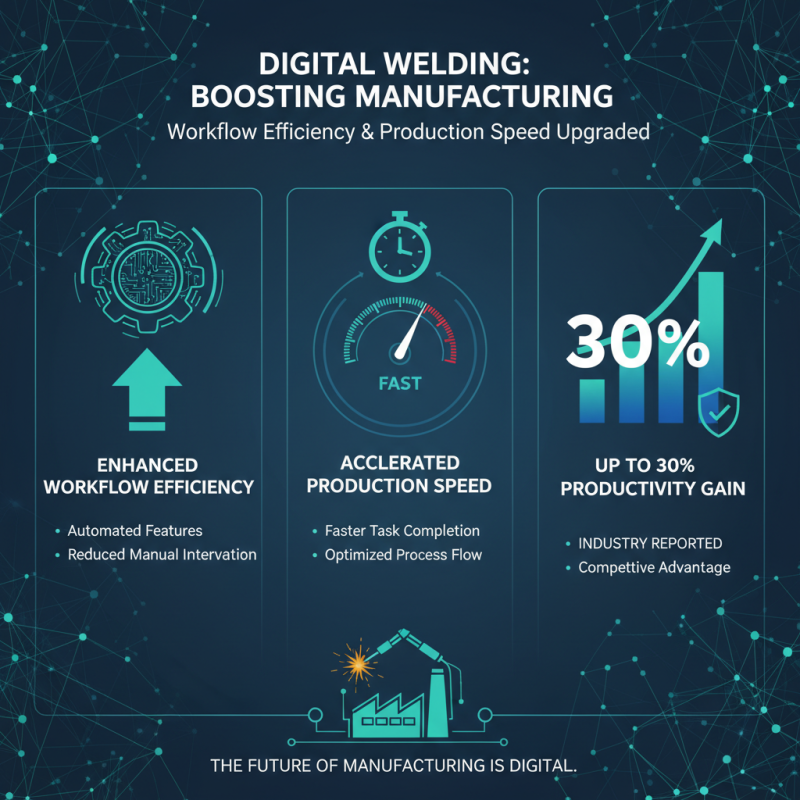
Digital welding machines are revolutionizing manufacturing processes. They enhance workflow efficiency and speed up production significantly. According to industry reports, manufacturers that adopt digital welding technology can experience up to a 30% increase in productivity. This is largely due to automated features that reduce manual intervention.
In addition to speed, digital machines provide accuracy. Advanced sensors ensure precise welds, cutting down on scrap rates. The American Welding Society states that better precision can reduce waste by 15%. However, the transition to digital systems is not effortless. Many workers need retraining to handle new technologies effectively.
Moreover, maintenance of digital equipment can pose challenges. Downtime for repairs can disrupt production lines. It’s essential to establish a solid maintenance schedule to minimize this risk. All these factors illustrate the need for a careful approach when integrating digital welding machines into existing workflows.
Improved Safety Features in Digital Welding Technology
Digital welding technology has transformed modern manufacturing, particularly with its enhanced safety features. These machines are designed with advanced sensors that can detect proximity to an operator. If a worker gets too close to the welding arc, the machine will automatically shut down. This reduces the risk of serious burns and injuries.
Another significant improvement is the real-time monitoring capability of digital welders. They can track various parameters like temperature and pressure, ensuring they remain within safe ranges. This kind of monitoring is essential in preventing accidents. However, even with these advancements, some operators may still neglect safety protocols. Relying too heavily on technology can create a false sense of security.
While digital welding machines are a huge step forward, they are not foolproof. Operators must maintain awareness and adhere to safety guidelines. Training remains crucial in maximally utilizing these machines while minimizing risks. Even the best technology can't replace vigilant, well-informed workers.
Top 10 Benefits of Using Digital Welding Machines in Modern Manufacturing
| Benefit |
Description |
Impact on Safety |
| Enhanced Precision |
Digital machines offer improved accuracy in welding, reducing errors. |
Minimizes the risk of faulty welds that can cause accidents. |
| Real-Time Monitoring |
Continuous tracking of welding processes allows for instant adjustments. |
Increases operator safety by preventing unsafe working conditions. |
| User-Friendly Interfaces |
Intuitive controls simplify operations for welders. |
Reduces the learning curve and potential for human error. |
| Automated Features |
Automation in welding processes increases operational efficiency. |
Lowers risk of injuries from repetitive tasks. |
| Reduced Material Waste |
Precise welding minimizes excess material usage. |
Less waste means a cleaner, safer work environment. |
| Advanced Safety Features |
Integrated safety systems protect operators from hazards. |
Reduces accidents through automatic shut-off mechanisms. |
| Improved Maintenance Alerts |
Systems inform users when maintenance is required. |
Proactively prevents malfunctions and safety concerns. |
| Enhanced Training Programs |
Digital simulations aid in training new welders. |
Improves safety by better preparing welders for real tasks. |
| Flexibility in Applications |
Suitable for a variety of welding tasks across industries. |
Allows for safer handling of diverse materials. |
| Comprehensive Data Tracking |
Data logs help to analyze performance and safety metrics. |
Enables better safety protocols and standards. |
Cost-Effectiveness and Long-Term Savings for Manufacturers
Digital welding machines are increasingly becoming a staple in modern manufacturing. They offer significant cost-effectiveness for manufacturers. By reducing material wastage, these machines help lower production costs. Their precision minimizes errors, leading to fewer reworks. This efficiency translates directly into financial savings over time.
The initial investment might seem high for some. However, the long-term savings can outweigh these upfront costs. Digital machines often require less energy and maintenance. This not only cuts operational costs but also enhances productivity. Some manufacturers still struggle to adapt to new technology. Change can be daunting, and the learning curve may slow down the process initially.
Using digital welding machines also means more consistent quality. This reliability can enhance customer satisfaction, leading to increased sales. However, it's essential to assess the specific needs of a business carefully. Not every manufacturing operation may benefit equally from these machines. It’s crucial to reflect on whether the transition aligns with long-term business goals.
 WeChat Online Service