How to Choose the Best Air Plasma Cutting Machine for Your Needs
Choosing the best Air Plasma Cutting Machine for your specific needs can be a daunting task, especially given the rapid advancements and various models available in the market. According to a report by Research and Markets, the global plasma cutting machine market is expected to grow significantly, reaching an estimated $5.3 billion by 2027, driven by increased demand in industries such as automotive, construction, and manufacturing. As fabricators and metalworkers prioritize efficiency and precision, selecting the right plasma cutting machine becomes essential.
Industry expert John Smith, a well-respected figure in the metal fabrication sector, emphasizes that "the right Air Plasma Cutting Machine not only enhances productivity but also ensures the quality of the final product." With diverse factors to consider—such as cutting thickness, portability, and power requirements—understanding your specific applications and the machine's capacity becomes paramount. By carefully evaluating these parameters, you can make an informed decision that aligns with both your operational needs and budget constraints.
As we delve deeper into the nuances of choosing the ideal Air Plasma Cutting Machine, we’ll explore critical features, common pitfalls to avoid, and expert recommendations to guide you in finding the perfect fit for your cutting tasks. Whether you are a seasoned professional or new to the field, this comprehensive guide will equip you with the knowledge needed to make a confident investment.
Understanding Air Plasma Cutting Technology
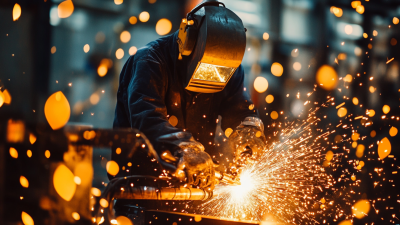
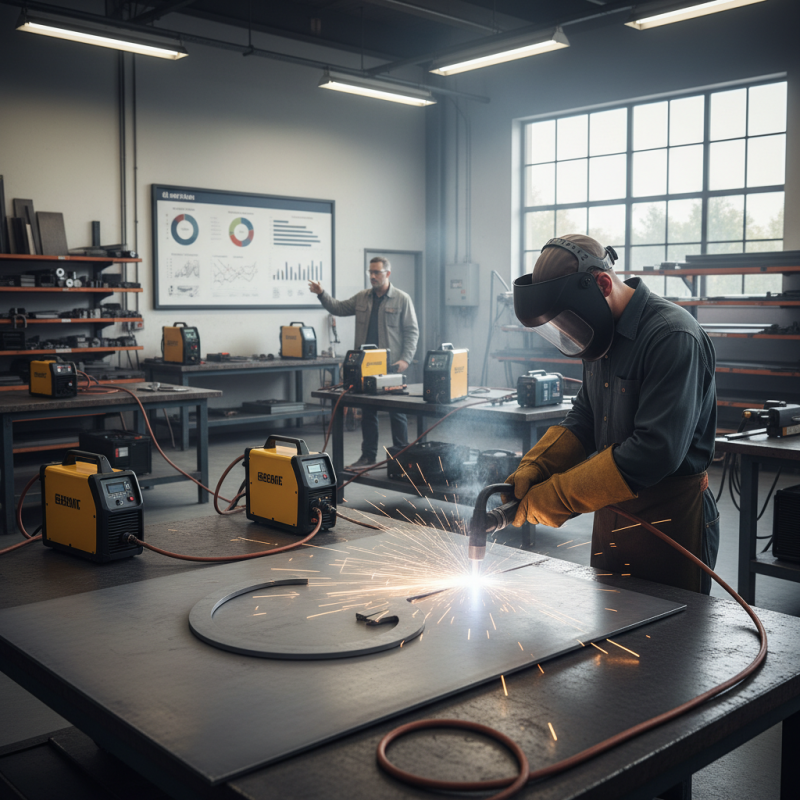
Air plasma cutting technology is a widely used method for cutting various materials, particularly metals. The process relies on generating an electrical arc that ionizes the air, transforming it into plasma. This high-temperature plasma stream can effectively melt through materials while simultaneously blowing away the molten metal, allowing for precise and clean cuts. Understanding the fundamentals of this technology is essential for anyone looking to utilize air plasma cutting machines for their specific needs.
One of the primary advantages of air plasma cutting is its versatility. It can be employed on materials such as steel, aluminum, and stainless steel, making it suitable for various industries, from metal fabrication to automotive repair. Additionally, air plasma cutting machines are relatively portable, allowing users to work in different environments with ease. Knowledge of the operating characteristics—like cutting thickness, speed, and the quality of the cut—can greatly influence the efficiency and effectiveness of tasks performed. Therefore, prospective users must familiarize themselves with these aspects to select the most appropriate machine for their applications.
Factors to Consider When Choosing a Plasma Cutter
When selecting the right air plasma cutting machine, there are several crucial factors to consider to ensure that it meets your specific needs. First and foremost, the thickness of the materials you plan to cut is essential. Different plasma cutters have varying capacities, so it’s vital to select one that can handle the thickness of the metal you typically work with. Additionally, consider the cutting speed and precision required for your projects. A machine that offers a good balance between speed and accuracy will enhance your productivity and the quality of your cuts.
Another important factor is the duty cycle of the plasma cutter. This refers to the amount of time the machine can operate before needing a rest period to avoid overheating. If you're involved in high-volume or continuous cutting tasks, a higher duty cycle is advantageous. Furthermore, ease of use and portability may play a role in your choice, especially if you plan to move the machine frequently or work in different locations. Evaluating the availability of consumables and replacement parts is also wise, as maintaining your machine is essential for longevity and optimal performance. All these aspects collectively help in identifying the best air plasma cutting machine tailored to your specific operational requirements.
How to Choose the Best Air Plasma Cutting Machine for Your Needs - Factors to Consider When Choosing a Plasma Cutter
| Feature |
Description |
Considerations |
| Cutting Capacity |
Maximum thickness of metal that can be cut efficiently. |
Choose based on the materials you'll be working with. |
| Power Supply |
Input voltage required to operate the cutter. |
Ensure it matches your workshop power supply. |
| Weight |
Total weight of the machine. |
Consider portability for on-site work. |
| Duty Cycle |
Percentage of time the cutter can operate continuously. |
Higher duty cycles are ideal for heavy use. |
| Cut Quality |
Smoothness and precision of the cut edges. |
Look for reviews on cut quality in real-world applications. |
| Accessories Included |
Nozzles, tips, and additional equipment provided. |
Assess the value of included accessories. |
| Safety Features |
Built-in safety mechanisms for user protection. |
Look for features like thermal overload protection. |
| Warranty |
Duration and coverage of warranty offered. |
A longer warranty often indicates greater durability. |
Key Features of High-Quality Plasma Cutting Machines
When selecting the best air plasma cutting machine for your needs, it is essential to focus on key features that define
high-quality performance and efficiency. A critical aspect is the
cutting thickness capability; premium models can handle materials up to 1 inch thick with precision,
leveraging advanced technology to reduce edge dross by as much as 40% compared to lower-end models.
The quality of the plasma arc produced tends to affect both the speed and the smoothness of the cut,
with superior machines achieving cutting speeds up to 60 inches per minute depending on the material used, which is crucial in
high-production environments.
Another vital feature is the duty cycle of the machine, which indicates how long it can operate
continuously without overheating. Professional-grade plasma cutting machines often boast a duty cycle of around 60%
at full power, allowing for extended use during heavy tasks. Additionally, features like automatic pilot arc start and
torch height control enhance ease of use and accuracy, directly impacting the cost-effectiveness of operations.
According to industry reports, the adoption of inverter technology in plasma cutters has led to significant reductions in
operational costs, often cutting energy consumption by up to 30% compared to traditional systems.
Thus, choosing a machine that integrates these high-quality features ensures greater efficiency
and productivity in cutting applications.
Comparing Portability and Power Options in Plasma Cutters
When selecting an air plasma cutting machine, one of the crucial aspects to consider is the balance between portability and power options. For those who frequently work on-site or in locations without easy access to power sources, portability becomes a critical factor. Lightweight units with compact designs are ideal for mobile applications, allowing users to transport the equipment effortlessly. Additionally, features such as built-in air compressors can enhance portability, making it possible to operate effectively in diverse environments.
On the other hand, power options significantly impact cutting capabilities and efficiency. Plasma cutters are available in various power ratings, influencing their cutting thickness and speed. Higher power options are suitable for industrial applications where thicker materials are involved, providing faster cutting and improved results. However, these machines can often be bulkier and less portable. It’s essential to evaluate the materials you will be cutting and the environment in which you will be operating to find the right mix of portability and power. Understanding your specific needs will help you make an informed decision that aligns with your cutting tasks.
Comparison of Air Plasma Cutting Machines
Cost Considerations and Budgeting for Your Plasma Cutting Needs
When choosing an air plasma cutting machine, one of the most critical factors to consider is your budget. Plasma cutting machines can vary significantly in price, depending on their features, cutting capabilities, and brands. It’s vital to establish a clear budget before you start shopping. Think about the types of projects you are planning to complete, as this will help you determine how much power and versatility you’ll need from the machine. Be prepared to balance quality with cost; investing in a reliable machine may save you money in the long run through reduced maintenance and improved efficiency.
Tips for budgeting effectively include researching the average prices of plasma cutters that meet your requirements, as well as considering the long-term costs associated with consumables such as electrodes and nozzles. Additionally, look for promotions or financing options that can ease the initial financial burden. It's also wise to account for other equipment you may need, such as air compressors or safety gear, all of which can add to your overall investment.
Lastly, remember to leave room in your budget for unexpected expenses. Each project can present unforeseen challenges that may require additional tools or repairs. Staying flexible with your budget can help you adapt to these needs without compromising on the quality of your plasma cutting machine.
 WeChat Online Service