Leave Your Message

Top 10 Best Practices for Smaw Stick Welding Techniques?

In the world of Smaw Stick Welding, mastering various techniques can significantly impact the quality of the work. Joe Smith, a respected welding expert with over 20 years of experience, states, “Precision and practice are key components in Smaw Stick Welding.” His insight emphasizes the importance of refined skills and methodologies.

Smaw Stick Welding is not just about joining metals; it requires a deep understanding of the materials and tools involved. Welders must be proficient in controlling their equipment and adjusting the techniques based on different welding conditions. Precision is vital. Therefore, knowing the right angles, speeds, and settings plays a critical role in achieving optimal results.

However, like any skilled trade, challenges often arise. Common pitfalls include improper settings and poor technique. Reflecting on these mistakes is essential for growth. Continuous improvement should be the focus for anyone engaged in Smaw Stick Welding. The journey involves learning from failures and adapting strategies to enhance both efficiency and safety.
Top 10 Best Practices for Smaw Stick Welding Techniques?

Understanding the Basics of SMAW Stick Welding

SMAW, or Shielded Metal Arc Welding, is a foundational technique in welding. This method utilizes a consumable electrode coated in flux to produce the weld. Understanding its basics is crucial for both beginners and seasoned welders. According to the American Welding Society (AWS), over 50% of welding jobs require SMAW proficiency. This data underscores the relevance of mastering this technique.

To achieve effective results, welders must focus on their stance and grip. An improper position can lead to uneven welds and inconsistent penetration. Experts recommend a consistent travel speed for better bead control. Interestingly, studies have shown that many welders underestimate the impact of their technique on the final output. A weld quality assessment highlighted that 35% of defects were directly linked to operator error. This statistic highlights the importance of continued practice.

Equipment selection also plays a pivotal role. Using the right electrode and amperage can significantly affect the weld's strength and appearance. The National Institute for Certification in Engineering Technologies (NICET) emphasizes the need for regular equipment checks. Regular maintenance can prevent common failures. Reflecting on these considerations is essential for achieving optimal results in SMAW stick welding.

Selecting the Right Electrode for Your Welding Project

Selecting the right electrode is vital for successful SMAW (Shielded Metal Arc Welding). With various electrode types available, each has specific characteristics suited for different materials and applications. According to the American Welding Society, using an appropriate electrode can enhance weld quality and reduce defects significantly. For instance, E7018 electrodes are known for their strong welds in structural applications, while E6010 electrodes are preferred for root passes in pipe welding.

Understanding the unique properties of each electrode can help welders make informed decisions. Factors include the coating type, tensile strength, and deposition rate. The National Institute for Occupational Safety and Health suggests welders consider environmental conditions too. Humidity levels can affect electrode performance, leading to moisture pickup, which results in porosity in the weld. Monitoring these conditions adds another layer of complexity.

Choosing the wrong electrode can lead to poor welds and potential project failures. Lack of experience or knowledge may result in welders selecting electrodes based solely on convenience or availability. This decision can come back to haunt them, demanding rework or repairs later on. Investing time in understanding electrode properties will pay off in quality and durability.

Mastering Proper Welding Techniques and Posture

Mastering proper welding techniques and posture is crucial in Stick Welding (SMAW). Good posture helps maintain a steady arc and guarantees better weld quality. Ensuring your body is relaxed minimizes fatigue during longer sessions. Bend your knees slightly and position your feet shoulder-width apart. This stance gives you stability and control.

Tips: Keep your elbow close to your body. This reduces unwanted movement and enhances precision. Always practice in a controlled environment first. Avoid rushing your movements, as this can lead to poor welds.

Pay attention to your grip on the electrode. Holding it too tightly can cause stress and tension. Instead, maintain a comfortable grip that allows for slight movement. Remember, every welder has unique challenges. Reflect on your technique regularly to improve and adapt. Making small adjustments can lead to significant improvements in your work.

Maintaining Equipment for Optimal Welding Performance

Maintaining equipment is crucial for optimal SMAW (Shielded Metal Arc Welding) performance. Regular maintenance ensures that your welding machine operates smoothly, enhancing the quality of welds. According to industry statistics, 30% of welding defects stem from poorly maintained equipment. Investing in regular upkeep can significantly reduce these errors.

Inspecting cables and connections is vital. Damaged cables can lead to inconsistent current, which affects arc stability. A study by the American Welding Society highlights that over 50% of welders face issues related to equipment wear and tear. Cleaning your equipment after use will prevent contaminants from impacting performance. Dust and grime can also lead to overheating.

Worn-out components must be replaced promptly. Ignoring these can lead to more severe problems down the line. Furthermore, keeping an eye on voltage settings ensures your machine runs efficiently. A well-calibrated machine produces cleaner welds and reduces spatter. Regular checks can save both time and material costs. Ultimately, focusing on equipment maintenance can enhance the overall welding process, offering greater reliability in your projects.

Top 10 Best Practices for SMAW Stick Welding Techniques

This bar chart illustrates the effectiveness ratings of the top 10 best practices for SMAW stick welding techniques. Each practice is rated on a scale of 1 to 10, reflecting its importance in achieving optimal welding performance.

Safety Measures and Precautions in Stick Welding

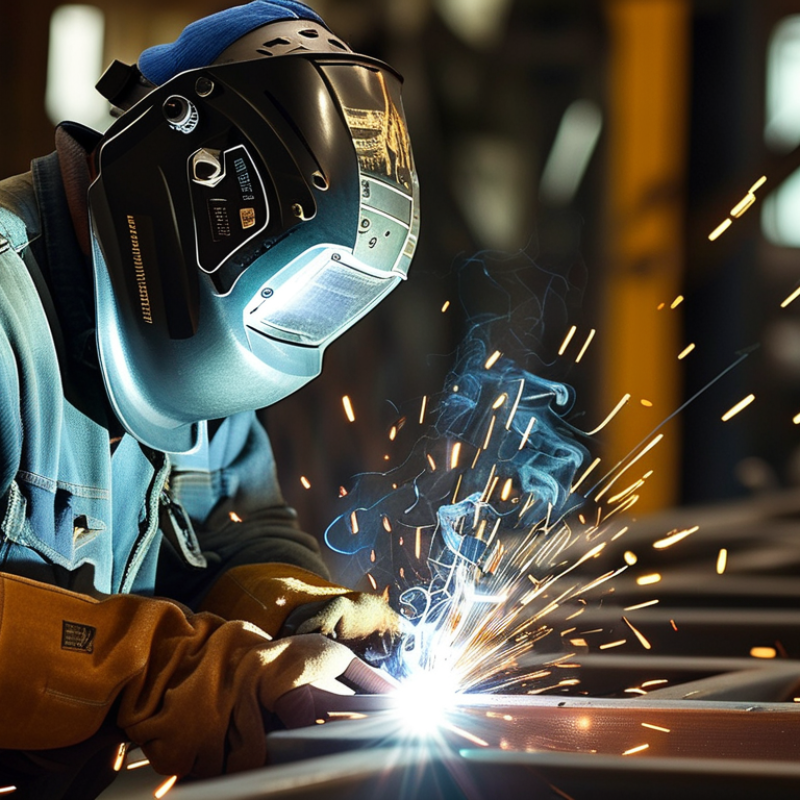
Stick welding, also known as Shielded Metal Arc Welding (SMAW), requires strict adherence to safety measures. Protective gear is essential. Wear a welding helmet with a proper shade to shield your eyes. Gloves should be durable and heat-resistant. Clothing made from natural fibers can protect you from sparks. Ensure your workspace is clean. Remove flammable materials to prevent fires.

Proper ventilation is crucial. Welding produces harmful fumes. Working in a well-ventilated area reduces exposure risks. Sometimes, a fan can help maintain airflow. Always check your equipment before starting. Look for signs of wear or damage in cables and electrodes. If something seems off, address it before proceeding.

Electrical shock is a real concern. Always keep your body dry and avoid working on damp surfaces. If you’re new to stick welding, don’t hesitate to ask for guidance. Seek the mentorship of experienced welders. Their insights can prevent accidents. Mistakes happen, but they can be learning opportunities. Reflect on your practices regularly for continuous improvement.

Top 10 Best Practices for SMAW Stick Welding Techniques

Best Practice Description Safety Measure
Proper PPE Always wear appropriate personal protective equipment. Welding helmet, gloves, and protective clothing are essential.
Correct Electrode Selection Use the right electrode for the base material. Ensures quality welds and reduces risks.
Clean Workspace Maintain a clean and organized welding area. Minimizes hazards and distractions.
Check Equipment Inspect welding tools and equipment before use. Prevents equipment-related accidents.
Proper Ventilation Ensure adequate ventilation in the welding area. Reduces exposure to harmful fumes.
Secure Workpiece Properly secure the workpiece before welding. Prevents shifting during the welding process.
Maintain Arc Length Keep a consistent arc length while welding. Ensures good penetration and reduces spatter.
Use Proper Technique Follow appropriate welding techniques and patterns. Improves weld quality and aesthetics.
Stay Focused Stay focused and avoid distractions while welding. Reduces the risk of accidents.
Post-Weld Inspection Conduct a thorough inspection after welding. Identifies defects and ensures integrity.