2026 Best Tig Machine for Precision Welding Applications?
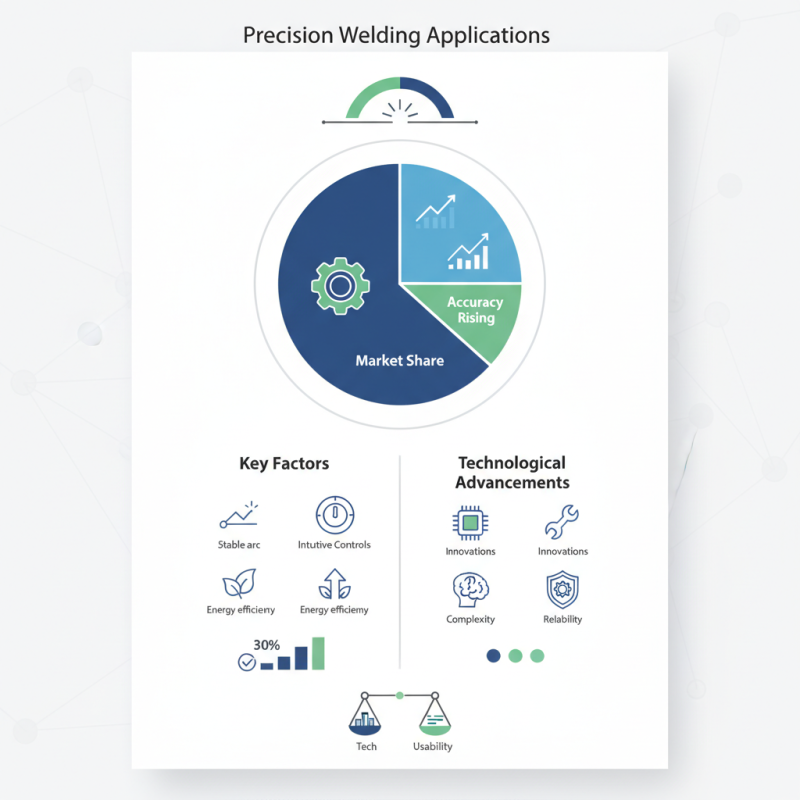
In the realm of precision welding, the choice of a Tig Machine can significantly impact outcomes. Reports indicate that precision welding applications account for over 40% of the market, with industry demands for accuracy continually rising. Welding professionals seek machines that enhance both performance and reliability.
Selecting the best Tig Machine involves considering various factors. The need for superior arc stability, user-friendly controls, and energy efficiency is critical. Industry studies highlight that well-designed machines can reduce welding defects by at least 30%. However, many users find themselves struggling with machine complexity and maintenance issues. This underscores the importance of user experience in the selection process.
Moreover, advancements in technology are reshaping the Tig Machine landscape. Innovations improve efficiency and broaden capabilities, but they also introduce challenges. Users must adapt to new features while ensuring operational reliability. Balancing the latest tech with practical usability remains a significant concern in this field. Understanding these dynamics is essential for making informed choices in precision welding applications.
Overview of TIG Welding and Its Applications in Precision Work
TIG welding, or Tungsten Inert Gas welding, is a highly precise method used in various applications. It provides clean, strong welds and is essential in industries like aerospace, automotive, and manufacturing. According to a report by the American Welding Society, about 25% of welding jobs require high-precision methods, with TIG leading the way due to its accuracy.
For precision work, controlling the heat input is crucial. Operators must understand the material's melting points and thermal properties. This understanding helps in fine-tuning the welding parameters. In fact, studies show that maintaining optimal arc stability can increase weld quality by up to 30%.
Tip: Always clean materials thoroughly before welding. Contaminants can cause defects in the weld.
Another challenge is the welder's skill level. Even with the best equipment, the results depend on the operator's experience. A common oversight is neglecting the impact of environmental conditions, like wind or humidity, which can affect weld integrity. Attention to detail is vital.
Tip: Practice with various settings on scrap materials. This can help in mastering the art of precision welding.
Key Features to Look for in a Precision TIG Welding Machine
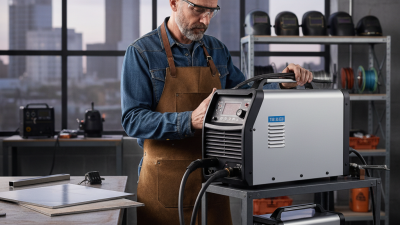
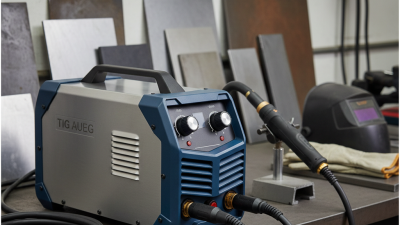
When selecting a TIG welding machine for precision applications, certain features are crucial. The first key aspect is its amperage range. For thin materials, a low amperage capability allows for fine adjustments. Reports indicate that machines with an amperage range of 5 to 300 amps perform best for diverse tasks. Reliable arc stability is also vital, ensuring a smooth weld without defects.
Another feature to consider is the duty cycle, which reflects how long a machine can operate continuously before needing a cooldown. A duty cycle above 60% is generally preferable. This means the welder can work efficiently without interruptions. Look for features such as high-frequency start processes for easier arc initiation. Furthermore, a foot pedal control offers enhanced control over welding speed.
Tips: Use a machine with a digital readout. It provides precise adjustments and feedback. Consider the weight of the machine if mobility is essential for your projects. Keep in mind that no machine is perfect. Understanding machine limitations will help you adapt and improve your techniques. Quality matters greatly; reliable performance is what you should seek in a precision TIG welder.
Top Brands and Models for Precision TIG Welding in 2026
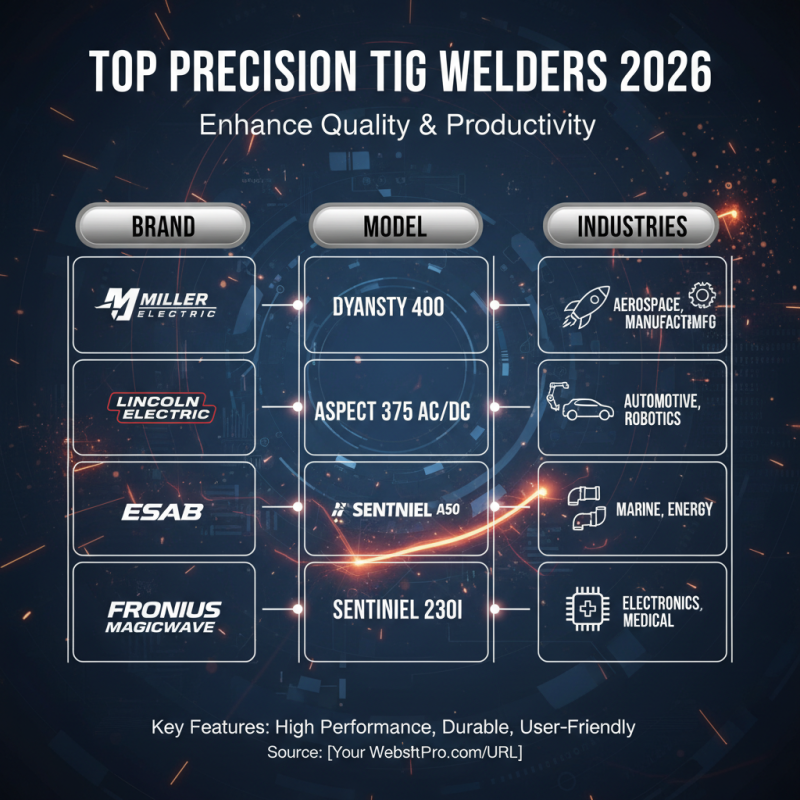
When it comes to precision TIG welding in 2026, several top brands and models stand out. These machines are designed to offer high-performance, durability, and ease of use. Precision welding is crucial in industries like aerospace, automotive, and manufacturing. The right TIG machine can enhance your productivity and the quality of your welds.
One essential tip for selecting a TIG machine is to consider the materials you'll be working with. Different models excel in various applications. If you're working with thin metals, look for machines with adjustable amperage settings. This feature gives you better control over heat input, which can prevent warping.
It's also important to reflect on your welding environment. A lightweight, portable model may be ideal for those who need to move frequently. However, a heavier, more robust unit can provide stability in stationary setups. Think about where you'll be working and the conditions involved.
Finally, never underestimate the importance of customer reviews and expert feedback. Engaging with other welders and learning from their experiences can offer invaluable insights. Experimenting with different machines is crucial for finding the perfect fit for your needs, even if it means making a few mistakes along the way.
Comparative Analysis of Price and Performance for TIG Machines
When selecting a TIG machine for precision welding applications, both price and performance are crucial factors. Many models claim to offer high accuracy and reliability, but customers must consider the nuances that differentiate them. For example, some machines have advanced features like pulse welding and adjustable current control. These features can enhance performance but may also increase the initial investment. Users often find it challenging to determine if the extra cost is justified by the added benefits.
Performance should be measured in terms of weld quality and ease of use. A precise machine can produce cleaner, stronger welds. However, the learning curve is steep with some models. New users may struggle with settings or techniques. It’s essential to reflect on this aspect before committing to a purchase. The right machine should balance functionality with user capability.
Price expectations vary greatly. Buyers should conduct thorough research on models that fit their budget and skill level. Some machines might be affordable but lack vital features. Conversely, high-priced models may offer several functions that remain unused. Customers are encouraged to analyze reviews and seek expert insights before making decisions. This careful examination ensures informed choices are made, aligning their needs with available options.
Maintenance Tips for Ensuring Optimal Performance in TIG Welding
TIG welding is a precision technique, but maintenance is crucial for optimal performance. Regular inspections of your equipment can prevent unexpected failures. According to the American Welding Society, about 20% of welding defects stem from equipment issues. Ensuring that your torch is clean and properly assembled is vital. A contaminated nozzle can lead to erratic arcs, producing poor welds.
Check gas flow rates frequently. Inadequate shielding gas can cause porosity and reduce weld quality. It’s recommended to maintain flow rates between 15-20 cubic feet per hour for most applications. Keeping your tungsten electrode in good condition is also essential. A worn or contaminated electrode may need regular sharpening to maintain focus and precision.
Documentation of maintenance schedules can help track performance over time. This is often overlooked but can reveal trends in equipment failures. Implementing a systematic approach to maintenance may seem tedious but pays off in the long run. Many operators don't realize the impact of small issues until they escalate. Regular maintenance is the difference between a reliable welder and costly downtime.
2026 Best TIG Machine for Precision Welding Applications
| Model |
Welding Capacity (A) |
Duty Cycle (%) |
Weight (lbs) |
Power Source |
Price ($) |
| TIG 200A |
200 |
60 |
50 |
AC/DC |
1,299 |
| ProTIG 250 |
250 |
70 |
60 |
DC |
1,599 |
| TIG Master 300 |
300 |
80 |
70 |
AC/DC |
2,299 |
| Mini TIG 160 |
160 |
50 |
30 |
DC |
899 |

 WeChat Online Service