Best Wire Feed Welder for Perfect Welding Results?
In the realm of welding, the choice of the right equipment can greatly impact results. A Wire Feed Welder stands at the forefront of this technology. According to a report by the American Welding Society, nearly 40% of welders prefer wire feed systems for their efficiency and ease of use. Expert welder John Smith emphasizes this point, stating, “A quality Wire Feed Welder can make or break your project.”
While the advantages are clear, not every Wire Feed Welder is perfect. Factors such as power source, wire quality, and user skill can greatly affect weld integrity. A study from Welding Journal highlights that about 30% of novice welders experience challenges with feed issues. This reflects the need for careful selection of a wire feed system.
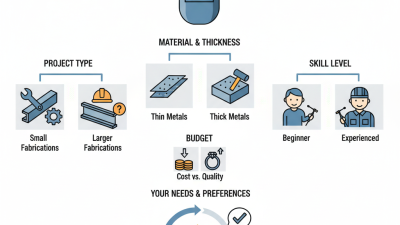
Choosing a Wire Feed Welder requires consideration of various elements. The range of products can be overwhelming. It’s crucial to balance features with price and skill level. Despite advancements, some welders still struggle with the fundamental techniques. This gap underscores the importance of education and thoughtful equipment selection in achieving perfect welding results.
Factors to Consider When Choosing a Wire Feed Welder
When choosing a wire feed welder, several key factors come into play. One important aspect is the power output. It affects your ability to weld various materials and thicknesses. Higher power allows for more versatility, but it may also lead to more spatter if not handled correctly. Consider your typical projects and the materials you will work with.
Portability is another crucial consideration. If you plan to move your welder frequently, a lighter model is beneficial. Look for features like a comfortable handle and compact design. However, lightweight models may sacrifice some power or stability, so assess your specific needs.
Ease of use is often overlooked but essential. An intuitive setup can save time and frustration. Some welders come with digital displays to simplify adjustments. Yet, more advanced features might not be necessary for beginners. Balancing complexity and usability is key. Understand that every welder has its quirks and may require time to master. Expect some trial and error, but this experience builds your skills.
Best Wire Feed Welder for Perfect Welding Results? - Factors to Consider When Choosing a Wire Feed Welder
| Feature |
Description |
Importance |
| Power Output |
Measures the welder's capacity to weld different materials and thicknesses. |
High |
| Wire Feed Speed Control |
Allows precise control over the speed at which the wire is fed into the weld pool. |
High |
| Duty Cycle |
Percentage of time the welder can operate before overheating. |
Medium |
| Portability |
Ease of transportation for use at different job sites. |
Medium |
| Type of Welder (MIG, TIG, Flux-Cored) |
Different types serve different purposes and materials. |
High |
| Safety Features |
Includes thermal overload protection, voltage reduction devices, etc. |
High |
| User-Friendly Controls |
Intuitive design helps users operate the welder effectively. |
Medium |
Top Features of High-Performance Wire Feed Welders
When looking for a high-performance wire feed welder, consider several key features that can enhance your welding experience. The type of wire used is crucial. A well-chosen wire ensures strong and clean welds. Compatibility with various welding materials, like steel or aluminum, is also important. This versatility allows for greater flexibility in projects.
Another significant factor is the duty cycle of the welder. A higher duty cycle means longer periods of continuous use without overheating. This is particularly important for larger projects. Additionally, the ease of setting adjustments can make a big difference. An intuitive interface allows for quick changes to speed and voltage, catering to different welding needs.
Lastly, portability can’t be overlooked. A lightweight design with good handle ergonomics provides ease of movement. Still, think about the trade-offs. A welder that is too lightweight may compromise on power or stability. Always reflect on your specific requirements. Balancing these features will lead to better welding results. Finding the right welder involves considering both performance and practicality.
Comparison of Popular Wire Feed Welder Models
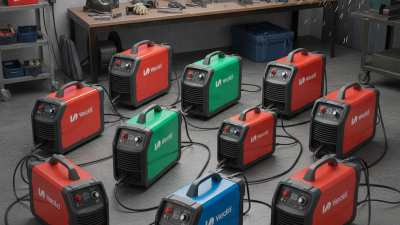
When choosing a wire feed welder, several models stand out in terms of features and performance. Each model offers unique benefits, but finding the perfect fit for your needs can be challenging. Popular options vary widely in price and capabilities. Some welders excel in portability, while others focus on power. They differ in welding techniques, such as MIG or flux-cored welding. Evaluating these differences requires careful consideration.
One key factor is the welder's duty cycle. This measure indicates how long you can operate the welder without overheating. Many users overlook this, which can lead to interruptions in work. Always check the specifications before purchasing.
Tips: Make sure to test the welder before buying. Feel the weight and handle it to see how comfortable it feels. Reliable welders often come with good customer support. Double-check the warranty options as well. It's essential to have backup options in case the welder has issues.
Many newcomers to welding can struggle with technique. While some welders claim ease of use, they can still produce unsatisfactory results. Consider investing time in practice and training. Improper settings can lead to weak or uneven welds. Always reflect on your process and seek to improve. A welder is only as good as the operator behind it.
Essential Accessories for Optimal Wire Feed Welding
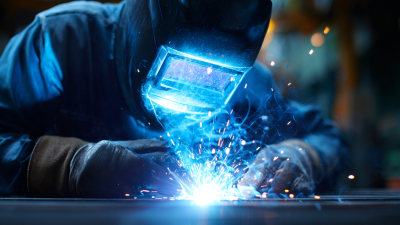
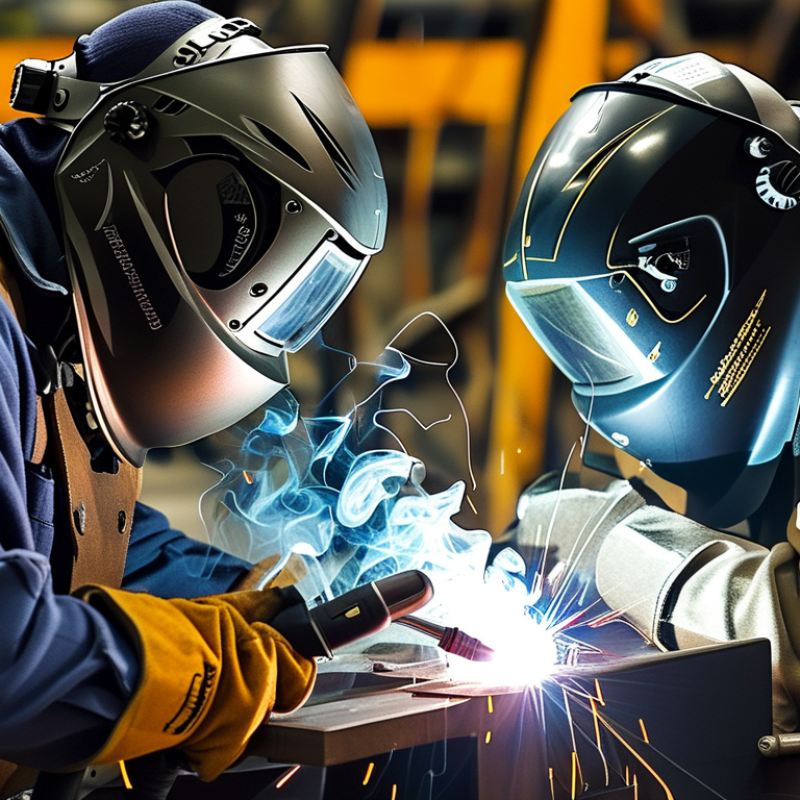
When engaging in wire feed welding, having the right accessories can significantly enhance your results. A solid welding helmet is crucial; it protects your eyes and face from harmful sparks and UV radiation. Investing in a high-quality helmet allows for better visibility and comfort during long welding sessions. Check for features like auto-darkening lenses.
Another important accessory is the welding gloves. They should provide excellent dexterity and heat resistance. Good gloves allow you to handle different materials easily, enhancing your welding precision. Experiment with various types of gloves to find the right fit for your work style.
Tips: Always keep your workspace organized. A cluttered area can lead to accidents. Store your accessories properly after use. Regularly inspect your equipment for wear and tear. This proactivity ensures reliable performance and safety.
Don’t overlook the significance of proper shielding gas. It plays a vital role in preventing oxidation and improves the final weld quality. Choosing the right gas mixture can be challenging. However, understanding your metal types can simplify this decision. A wrong choice may lead to weak joints and easy breakage in tough conditions. Always research and seek advice if unsure.
Tips for Achieving Perfect Welding Results with Wire Feed Welders
Achieving perfect welding results with wire feed welders requires attention to detail and technique. Data from the American Welding Society indicates that the quality of a weld is often influenced by the welder's skill level and equipment settings. Effective wire feed speed and voltage settings can greatly affect penetration and bead appearance.
One critical tip is to maintain a consistent travel speed. Inconsistent movement can lead to uneven welds and defects. Another important aspect is the angle of the welding gun. A proper angle can improve arc stability and wire feed efficiency.
Remember to consider the material thickness before choosing your settings. If the settings are too high for thin materials, burn-through may occur. On the other hand, too low settings can lead to insufficient penetration. Observing and adapting to the weld puddle can greatly enhance the results. It's crucial to practice regularly and learn from mistakes for continuous improvement. Quality comes with experience and reflection on past projects.
Wire Feed Welder Performance Comparison

 WeChat Online Service