Why Choose a Wire Welder for Your Metal Fabrication Needs?
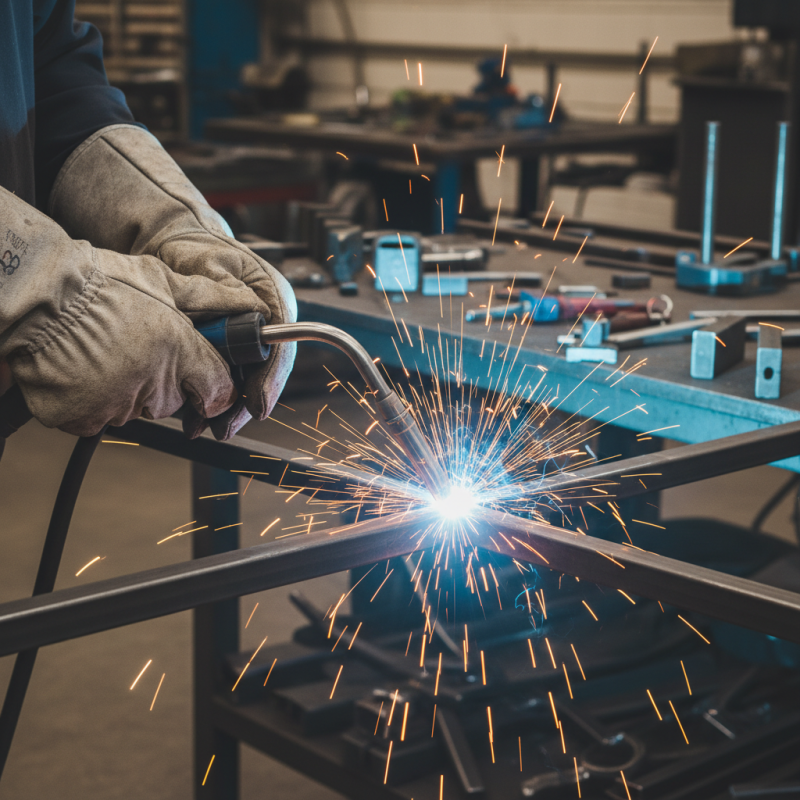
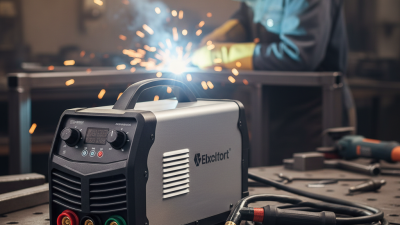
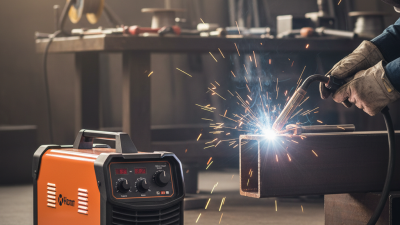
When it comes to metal fabrication, choosing the right equipment is crucial. A Wire Welder stands out as a versatile option for various projects. Its design offers distinct advantages, making it suitable for both professionals and DIY enthusiasts. The efficiency and speed of a Wire Welder can enhance productivity on the job.
However, not every scenario calls for a Wire Welder. Some projects might require a different approach. Understanding your specific needs is essential. While Wire Welders excel in many situations, their performance can vary based on the materials used.
Investing in a Wire Welder means balancing pros and cons. Deciding wisely involves recognizing your skill level and project requirements. It’s important to weigh these factors critically. With careful consideration, a Wire Welder might be the perfect fit for your fabrication journey.
Benefits of Wire Welding in Metal Fabrication
Wire welding, specifically MIG and FCAW, offers significant advantages in metal fabrication. These methods provide faster weld speeds compared to traditional welding techniques. This efficiency means projects can be completed more quickly. For businesses, this translates to reduced labor costs and quicker turnaround times.
Another benefit is the versatility of wire welding. It can be used on various materials, including steel and aluminum. This flexibility allows fabricators to tackle diverse projects without changing equipment. The ease of use also means that less experienced welders can achieve quality results with the right training. However, achieving consistency can sometimes be challenging, requiring careful attention to settings and techniques.
Moreover, wire welders can produce cleaner welds with minimal spatter. This results in less post-weld cleanup, saving time and resources. However, factors such as wire feed speed and gas composition must be monitored closely. Improper adjustments can lead to defects. Reflecting on these complexities can help improve welding processes and outcomes.
Comparison of Wire Welding vs. Other Welding Methods
Wire welding, or Gas Metal Arc Welding (GMAW), stands out in the metal fabrication industry due to its efficiency and adaptability. Compared to traditional welding methods like Stick or TIG, wire welding offers speed and versatility. Industry reports highlight that wire welding can increase productivity by up to 50% in certain applications. This efficiency reduces labor costs and improves project turnaround times.
However, the choice of welding method depends on specific project needs. While wire welding excels in speed, it may require a cleaner surface for optimal results. Stick welding, on the other hand, performs well on dirty or rusty materials, making it suitable for outdoor applications. The American Welding Society notes that wire welding processes account for over 60% of all industrial welding operations. This statistic underscores its popularity in various sectors, from automotive to construction.
Yet, it is essential to consider the skill level of the welder. Wire welding requires a good understanding of the equipment and proper settings. Inexperienced operators may face challenges in achieving consistent weld quality. This raises a critical point: while wire welding can enhance productivity, it demands a skilled workforce. Addressing these gaps through training can significantly impact outcomes in metal fabrication projects.
Key Features of Wire Welders for Fabrication Projects
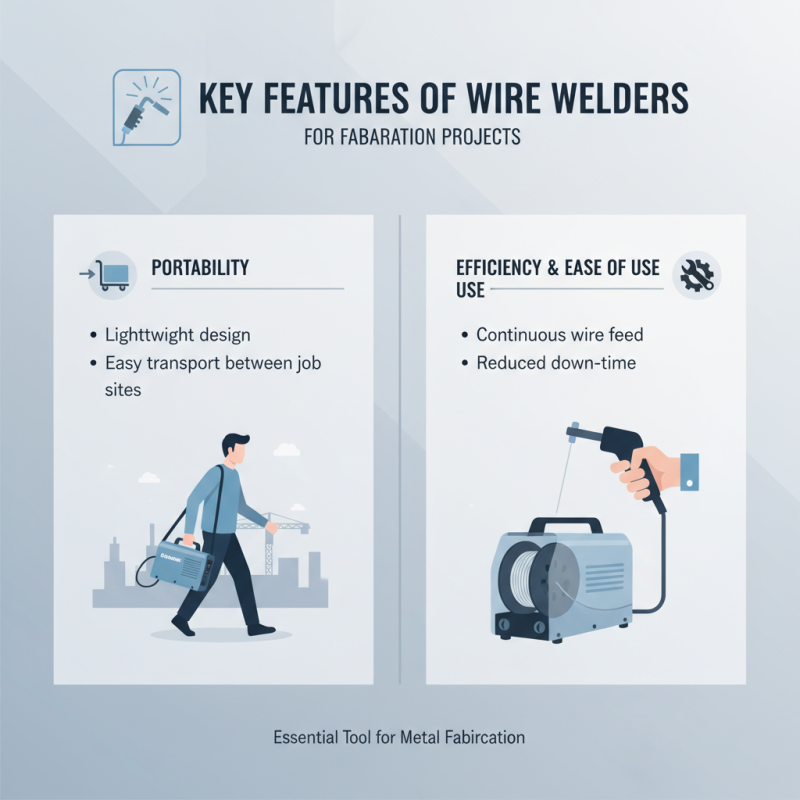
Wire welders are an essential tool in metal fabrication. They offer several features that enhance their usability and effectiveness. One notable aspect is their portability. Many wire welders are lightweight, allowing easy transport between job sites. This feature is crucial for fabricators who frequently work in different locations.
Another significant feature is the adjustable output settings. These settings let users control the voltage and amperage, tailoring the welder to various materials and thicknesses. This adaptability is vital when working with different metals. Many operators find this flexibility beneficial for achieving clean, precise welds. However, mastering these settings can take time, leading to a learning curve for some.
Durability is another factor to consider. Wire welders are built to withstand harsh environments, making them reliable for heavy-duty projects. Yet, they are not invincible. Users must regularly maintain and inspect their equipment to ensure consistent performance. Neglecting this can result in subpar welds and costly rework. The balance between robustness and care is crucial in the metal fabrication industry.
Common Applications of Wire Welding in Various Industries
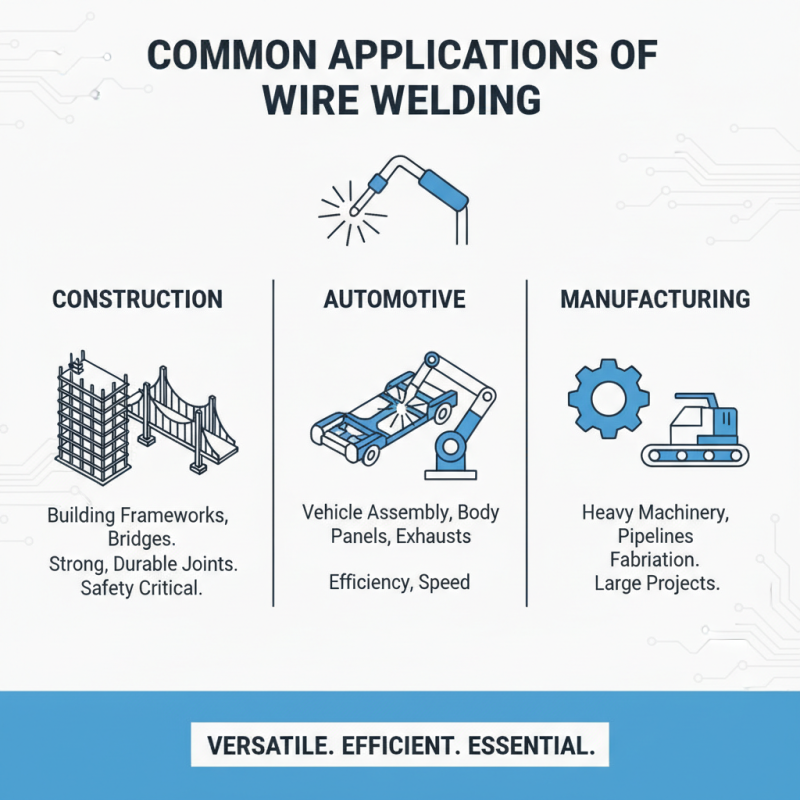
Wire welding is a versatile method used across various industries. Its efficiency makes it ideal for large projects. Construction, automotive, and manufacturing rely heavily on this technique. In construction, wire welding assembles frameworks for buildings and bridges. It creates strong joints, ensuring safety and durability. Each weld is critical; a small mistake can lead to significant issues.
In the automotive industry, wire welding connects parts of vehicles. This includes chassis and body frames. The speed of this process boosts production rates. However, precision is key. Even minor misalignments can affect performance and safety. Quality control measures are essential to prevent defects.
Manufacturers also leverage wire welding for machinery production. It enables the creation of complex shapes and structures. Yet, it requires skilled operators to ensure quality. Training is vital, as each project is unique. Mistakes can incur costs and delays. Therefore, expertise in wire welding is highly valuable in meeting industry standards.
Tips for Choosing the Right Wire Welder for Your Needs
When selecting a wire welder for metal fabrication, consider your specific needs. This equipment is vital for achieving quality welds, impacting overall project success. According to industry reports, over 50% of welders prioritize portability and ease of use in their decision-making.
Tips for Choosing Wire Welders:
Assess your skill level first. Beginners might benefit from machines with automatic settings. More experienced welders may prefer customizable options. Consider the thickness of materials you'll work with. Thicker metals often require more powerful machines.
Always check for reliable power sources, such as MIG and TIG options. A machine with dual voltage features offers flexibility in various environments. Remember, not all welders are suitable for every job, and using the wrong one can lead to poor results and wasted materials. Investing in the right welder means considering the duty cycle too. Reports highlight that a higher duty cycle allows for longer periods of continuous use without overheating.
Why Choose a Wire Welder for Your Metal Fabrication Needs?
| Welding Technique |
Material Type |
Thickness Range (inches) |
Applications |
Portability |
| MIG Welding |
Steel, Aluminum, Stainless Steel |
0.023 - 0.045 |
General Fabrication, Automotive Repair |
Moderate |
| Flux-Cored Welding |
Carbon Steel, Stainless Steel |
0.030 - 0.045 |
Outdoor and Heavy-Duty Applications |
High |
| TIG Welding |
Aluminum, Magnesium, Copper |
0.010 - 0.250 |
Precision Fabrication and Thin Materials |
Low |
| MIG vs. Flux-Cored |
Varied |
Varied |
Comparison of Speed and Versatility |
Moderate to High |

 WeChat Online Service