How to Choose the Best Mig Co2 Welding Machine in 2026?
Choosing the best Mig Co2 Welding Machine in 2026 can be daunting. With numerous models available, it’s essential to understand what differentiates them. The right machine can enhance precision and efficiency in your welding projects.
Several factors impact your decision. The machine's power output affects the types of materials it can weld. A higher output is crucial for thicker metals. Conversely, a lower output may suit lighter applications.
Price is also a significant consideration. While investing in quality equipment is essential, there are affordable options that perform well. Reading reviews can help you gauge reliability. Remember, each brand has its strengths and weaknesses. Finding your ideal Mig Co2 Welding Machine requires careful thought and perhaps some trial and error. Engaging with experts might provide deeper insights into each machine’s capabilities.
Understanding MIG Co2 Welding Technology and Its Applications
MIG CO2 welding technology, primarily used for its versatility and efficiency, has gained significant traction in various industries. According to a report by Grand View Research, the global MIG welding equipment market is expected to grow at a CAGR of 5.5% from 2023 to 2030. This upward trend reflects the increasing demand for welding applications in automotive, construction, and manufacturing sectors.
Understanding how MIG CO2 welding operates is crucial. It utilizes a continuous feed of a welding wire and an inert gas, typically CO2, to protect the weld pool from contamination. This protection is essential, as exposure to air can lead to increased defects. Reports indicate that CO2 gas contributes to improved penetration and a smoother finish, making it popular among welders for steel applications. Yet, there are challenges with spatter and poor aesthetics, which may require additional finishing processes.
The technology’s adaptability allows for both thin and thick materials, yet some users experience inconsistent results. Factors such as gas flow rates, wire speed, and amperage settings can significantly influence the outcomes. A study by the American Welding Society highlighted that improper settings lead to common issues like undercutting and poor bead formation. Thus, ensuring proper calibration is vital to achieving optimal welding quality. Evaluating these aspects is crucial for anyone considering MIG CO2 welding equipment.
Key Features to Look for in MIG Co2 Welding Machines
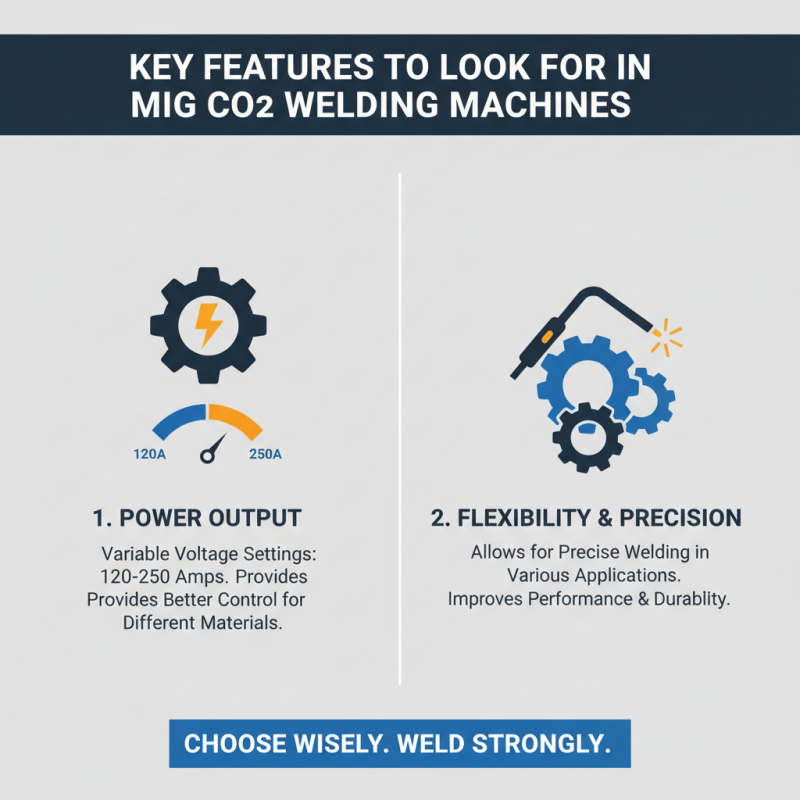
When choosing a MIG CO2 welding machine, consider key features that impact performance and durability. First, the power output matters. Machines with variable voltage settings provide better control for different materials. This flexibility allows for precise welding in various applications. Look for machines rated between 120 to 250 amps.
Another essential feature is the feed mechanism. A reliable wire feed system ensures consistent welding. This means fewer defects and a better overall finish. Some machines come with dual-groove rollers, which accommodate different wire sizes. This adaptability can enhance your experience and output quality.
Welders should also assess ease of use. User-friendly controls and digital displays help reduce the learning curve. Beginners need machines that offer guidance. Lastly, think about portability. A lighter machine can be a blessing for on-site jobs. However, ensure it doesn't sacrifice power. Achieving balance between portability and functionality is crucial for practical use.
Comparing Performance: Voltage, Amperage, and Duty Cycle Specifications
When selecting the best MIG CO2 welding machine, focus on key performance metrics. Voltage is crucial; it affects the arc's stability and penetration depth. A machine with adjustable voltage settings allows for versatility in different welding projects. Look for units that offer a range from 18V to 26V. This flexibility is essential for adapting to various materials and thicknesses.
Amperage is another important consideration. It dictates the heat output during welding. Machines with higher amp ratings can weld thicker materials more effectively. A rating between 30A and 200A is typical for most general welding tasks. However, having too high an amperage for thin materials can lead to burn-through. Be mindful of this when making your choice.
Duty cycle, expressed as a percentage, is about how long a machine can operate before cooling down. A 60% duty cycle means it can weld for six minutes, followed by four minutes of rest. Higher duty cycles are beneficial for larger projects, but they may come at a higher cost. Striking a balance here is vital. Too low a cycle could compromise your workflow on significant tasks.
How to Choose the Best Mig Co2 Welding Machine in 2026? - Comparing Performance: Voltage, Amperage, and Duty Cycle Specifications
| Model |
Voltage (V) |
Amperage (A) |
Duty Cycle (%) |
| Model A |
220 |
200 |
60 |
| Model B |
240 |
250 |
70 |
| Model C |
230 |
180 |
75 |
| Model D |
210 |
220 |
65 |
| Model E |
240 |
260 |
60 |
Evaluating Brand Reputation and Customer Reviews in 2026
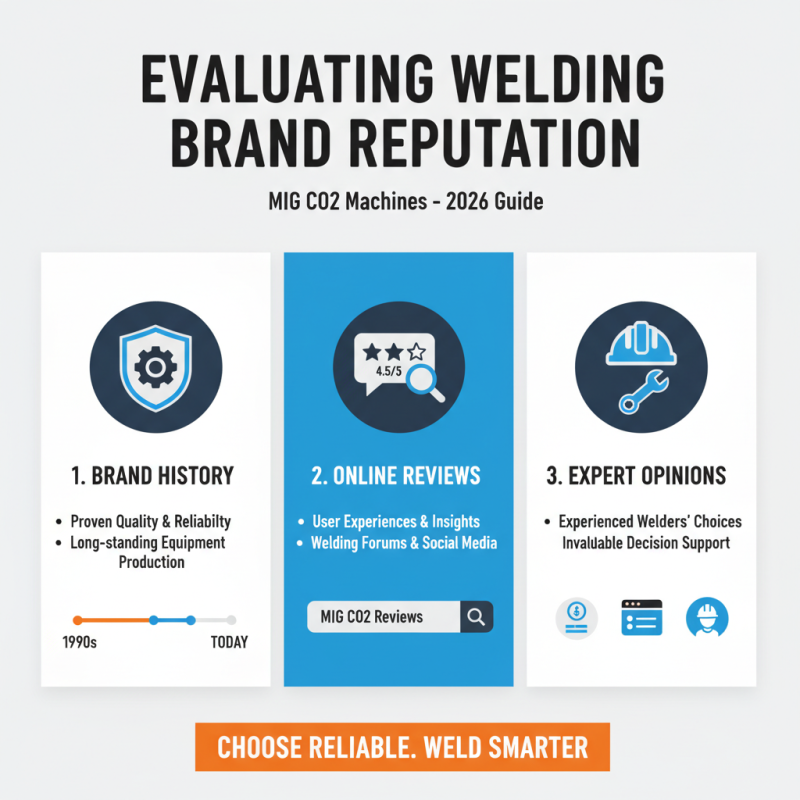
When selecting a MIG CO2 welding machine, evaluating brand reputation is crucial. A strong brand often reflects quality. Look for companies with a history of producing reliable welding equipment. Research online to find user experiences and insights. Many experienced welders share their thoughts on various forums. This can be invaluable in your decision-making process.
Customer reviews provide real-world performance data. Focus on detailed feedback regarding machine performance, durability, and ease of use. It’s essential to weigh both positive and negative reviews. Sometimes, a highly-rated machine might have a flaw that is not immediately obvious. Pay attention to how brands respond to customer complaints. This can indicate their commitment to quality and customer service.
Take note of recurring themes in reviews. If several users mention the same issue, it's worth considering. You might even want to connect with reviewers personally, if possible. Hearing from fellow welders can enhance your understanding. Make informed choices based on this gathered wisdom. Remember, your choice will affect your projects and outcome.
Budgeting for Your MIG Co2 Welding Machine: Costs and Value Analysis
When budgeting for a MIG CO2 welding machine, it's important to assess both costs and the value derived from your purchase. Many entry-level machines can range from $200 to $800, while advanced models may exceed $2,000. A professional-grade machine typically offers better durability and performance, which justifies higher prices. According to industry reports, approximately 45% of welders choose machines based on reliability over initial cost.
One key consideration is the cost of consumables. Gas and filler materials can add up, influencing long-term expenses. For example, the average cost of CO2 gas is about $1.50 per cubic foot, which can impact project budgets. Understanding these costs ensures you’re not surprised later.
Tips: Consider your welding frequency. If you weld often, a more expensive, durable machine could save you money in the long run. Also, explore user reviews and professional insights to gauge real-life performance. The right machine should balance upfront costs and remaining operational expenses effectively. Reflect on your specific needs; sometimes, cheaper options lead to higher overall costs due to subpar results. Choosing wisely goes beyond price alone.
 WeChat Online Service