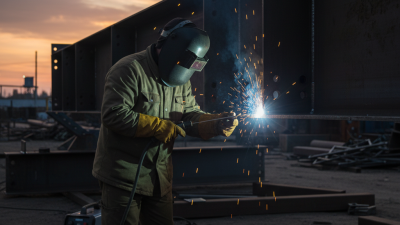
How to Choose the Best China SMAW Arc Welding Machine?
Choosing the best China SMAW Arc Welding Machine requires more than comparing prices or reading brief product descriptions. A dependable choice begins with the work itself: steel thickness, electrode diameter, welding position, duty cycle, and available power. Smaw Arc Welding is often used for repair work, construction sites, workshops, and maintenance tasks. Each setting demands different machine performance.
Small details matter. A machine rated for 200 amps may not deliver that output continuously. Check its duty cycle at a clear temperature rating. Inspect the electrode holder, welding cables, cooling vents, control panel, and grounding clamp. These parts affect daily safety and welding stability. In my experience, a firm cable connection can prevent more trouble than an impressive specification sheet. Still, experience can mislead. Actual performance should be verified through test welds, technical documents, and independent inspection when possible.
Reliable Chinese manufacturers usually provide model data, factory information, warranty terms, and after-sales support. Look for evidence of quality management and relevant product compliance for your market. Do not accept vague claims such as “industrial grade” without measurable details. Ask whether the machine suits 6013, 7018, or other commonly used electrodes. Confirm input voltage, overload protection, repair access, spare-part availability, and local service support. A lower purchase price may become expensive after repeated downtime. This guide examines these factors carefully, helping buyers compare China SMAW equipment with practical judgment instead of guesswork. The perfect machine may not exist. The right one should match your real workload, operator skill, and long-term maintenance plan.
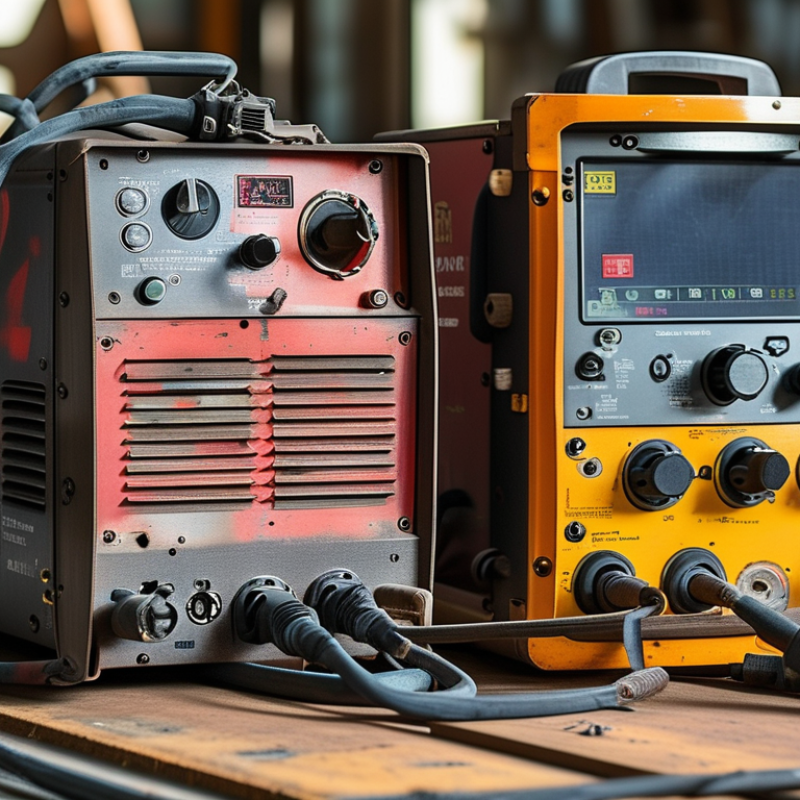
Understanding SMAW Arc Welding Machines and Their Applications
How to Choose the Best China SMAW Arc Welding Machine?
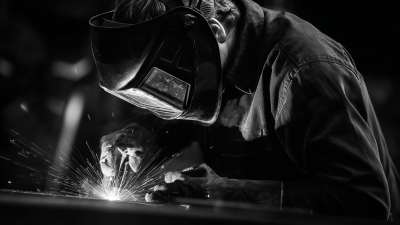
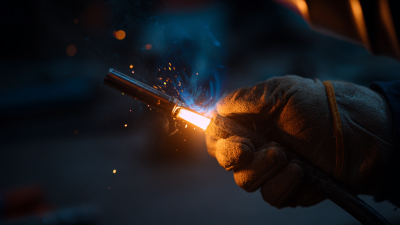
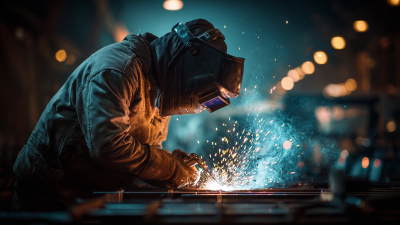
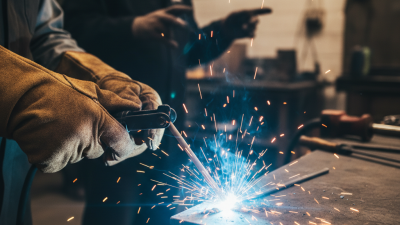
SMAW, often called stick welding, uses an electric arc between a coated electrode and the workpiece. The electrode melts and forms the joint. Its flux coating creates protective gas and slag around the weld pool. This process needs no shielding gas, making it practical for outdoor repairs, construction sites, farm equipment, and steel frames. Wind still matters. Moisture can weaken electrodes and cause porous welds, so dry storage is essential.
When selecting a China-made SMAW machine, examine output range, duty cycle, input voltage, and overload protection. Thin steel needs stable low-current control to prevent burn-through. Heavy plate requires stronger output and longer operating time. A machine rated at 200 amps may not deliver that current continuously. Check the duty-cycle percentage at its stated temperature. I once chose a compact unit by appearance and regretted it during long welds; the casing stayed cool, but the internal protection stopped work repeatedly.
Electrode choice should match the application. Rutile electrodes offer easy starts and smooth appearance, while low-hydrogen types suit demanding structural work when stored correctly. Compare arc stability, hot-start performance, cable quality, and cooling design through practical trials. Verify insulation ratings, test reports, and conformity with applicable safety standards in your market. Experienced welders also inspect the display in bright sunlight and test starts on clean and rusty steel. Numbers can mislead. Real welds expose weaknesses quickly.
Identifying Key Specifications for Different Welding Requirements
Choosing a China SMAW arc welding machine starts with the joint, not the catalog headline.
A 3.2 mm mild-steel electrode often needs 90–130 A. A 4.0 mm rod may need 140–190 A. For repair work, check the lowest stable current, especially when welding thin sheet. An adjustable arc-force function can reduce sticking, but excessive force may create spatter. Small details matter.
Duty cycle is more revealing than maximum amperage.
At 200 A and 60% duty cycle, the machine welds for six minutes in a ten-minute period. Confirm whether the rating uses a 40°C test environment and which standard applies, such as IEC 60974-1. Input power also deserves attention. Single-phase 220 V models suit many workshops, but long extension cables can cause voltage drop and unstable arcs. Ask for measured input tolerance, cable length, electrode-holder quality, and thermal protection.
In practical testing, I would weld vertical fillets, restart the arc, and inspect slag removal.
Clean restarts matter. Do not judge reliability from casing weight alone. Review the cooling path, internal protection, service access, and replacement parts availability. Some specifications sound impressive but remain unclear. Ask for test records, serial traceability, and a clear warranty process. I would also allow a margin above normal load; my earlier mistake was choosing only by peak amperage. That shortcut failed.
Evaluating Safety Features, Certifications, and Energy Efficiency
How to Choose the Best China SMAW Arc Welding Machine?
When evaluating a China-made SMAW machine, inspect safety features before comparing price or output current. A reliable unit should include thermal overload protection, stable arc control, and clear grounding instructions. Voltage reduction devices can reduce electric shock risk during idle periods, especially in damp workshops. Read the rating plate carefully. It should show input voltage, duty cycle, insulation class, and protection rating.
Certifications require careful checking, not blind trust. Ask for current test reports linked to the exact model and serial number. Relevant standards may include IEC 60974-1 for arc welding equipment and applicable regional electrical requirements. A printed certificate alone proves little. Verify the issuing laboratory and report date. Claims need proof. I have seen specifications that looked impressive but changed under continuous welding. That weakness deserves attention.
Energy efficiency affects operating cost and workshop heat. Compare rated efficiency, power factor, standby consumption, and duty-cycle performance. A machine with a high power factor can reduce unnecessary load on the electrical supply. Inverter designs often weigh less and waste less energy than older transformer units, but cooling quality remains critical. Check fan operation, ventilation space, and accessible filters. A lower idle draw sounds useful, yet poor thermal management may shorten service life. Test the machine with a clamp meter and thermal inspection when possible, then record results under realistic electrode sizes and welding intervals.
Selecting a Supplier and Verifying After-Sales Support
Choosing a China-made SMAW arc welding machine starts with the supplier, not the catalog price. Ask for the factory address, production capacity, and traceable test records. A serious supplier should explain duty cycle, output stability, electrode range, and cooling behavior clearly. Request a live welding demonstration with your preferred electrodes and plate thickness. Watch the arc start, spatter, cable heating, and bead consistency. The proof matters.
Verify the supplier’s quality process before paying. Request sample inspection reports, serial-number records, and applicable safety certifications. Check whether replacement components can be sourced locally or shipped quickly. Ask for a written warranty covering defects, exclusions, response times, and freight responsibilities. Packaging also deserves attention. A damaged front panel can delay installation more than a small electrical fault. I once focused too heavily on price and ignored spare-part availability. That decision created avoidable downtime.
Test after-sales support before placing the order. Send three technical questions and measure the reply’s accuracy and speed. Ask for wiring diagrams, operating manuals, fault codes, and remote troubleshooting procedures. Confirm whether technicians can guide voltage checks safely through video calls. Keep the contact person and escalation path in writing. If possible, speak with two existing users about response quality, not only machine performance. A supplier may promise fast help. Test the response. The real evidence appears after a simulated fault.
 WeChat Online Service