How to Choose the Best Wire Welder for Your Projects?
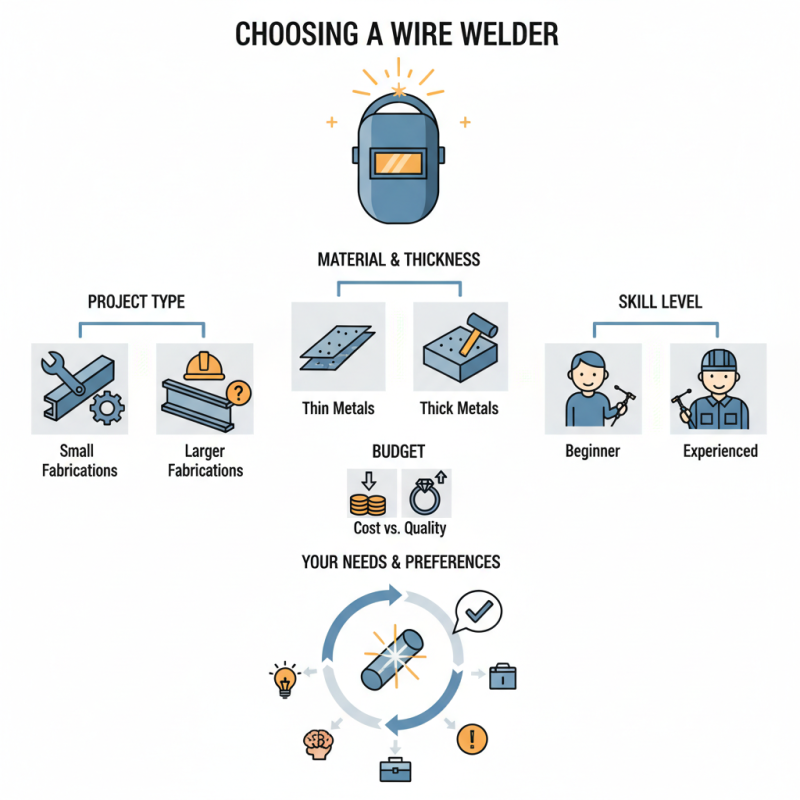
Choosing the right Wire Welder is a critical step for anyone involved in welding projects. Whether you work on small repairs or larger fabrications, the right welder can make a significant difference. Various types of Wire Welders are available, each with unique features and capabilities.
When selecting a Wire Welder, consider your specific needs. Think about the materials you’ll work with, the thickness of the metal, and your skill level. For instance, a beginner may prefer a simpler option, while an experienced welder might need a more advanced machine. Price is also a factor that can’t be ignored. Higher costs don't always mean better quality.
It’s essential to reflect on your preferences and potential project challenges. Sometimes, the overabundance of choices can lead to confusion. A thorough evaluation of what you truly need might help simplify the decision. In the end, the goal is to find a Wire Welder that complements your style and meets your project's demands.
Understanding Different Types of Wire Welders Available in the Market
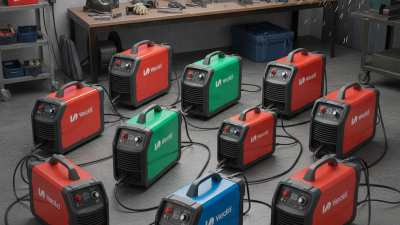
When choosing a wire welder, it's essential to understand the different types available. Each type serves unique purposes.
MIG welders are popular for their versatility and ease of use. They work well with various materials and thicknesses. The process requires a continuous wire feed and is suitable for beginners.
TIG welders offer high precision. They allow for more delicate work on thin metals. However, they demand more skill and practice. This type uses a non-consumable electrode and a filler rod. It can be challenging for those just starting.
Stick welders, on the other hand, are robust and effective for outdoor work. They are great for thicker materials but can produce more slag and require cleanup.
Consider your project needs carefully. A MIG welder may seem the easiest, but sometimes it produces less clean welds than TIG. Reflect on the materials you'll be working with.
Each welder has strengths and weaknesses. It's crucial to think through your choices deeply. This will save time and resources in the long run.
In welding, there's always a learning curve.
Key Features to Consider When Selecting a Wire Welder
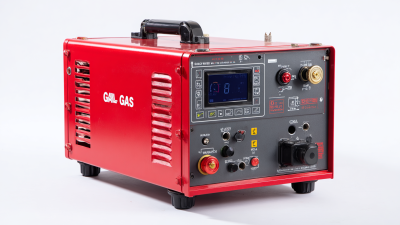
When selecting a wire welder, several key features stand out. The power output is crucial. Higher amperage allows for welding thicker materials. Consider your project requirements carefully. A versatile welder offers adjustments for different thicknesses and materials. Look for models with ease of use in mind. User-friendly interfaces save time and frustration.
Portability is another vital factor. If you work in various locations, a lightweight design makes a big difference. Some welders have compact features that fit easily in a vehicle. Check for durability too. A sturdy build can withstand tough working conditions. However, sometimes, well-built machines might be heavier than expected.
Don’t overlook safety features. Automatic shut-offs can prevent accidents. Moreover, a welder with good ventilation to control fumes is beneficial. Reflect on your comfort level with the technology. Some welders feature advanced settings that may overwhelm a beginner. Ultimately, choose a welder that instills confidence and matches your skill level.
Evaluating Your Project Requirements and Skill Level
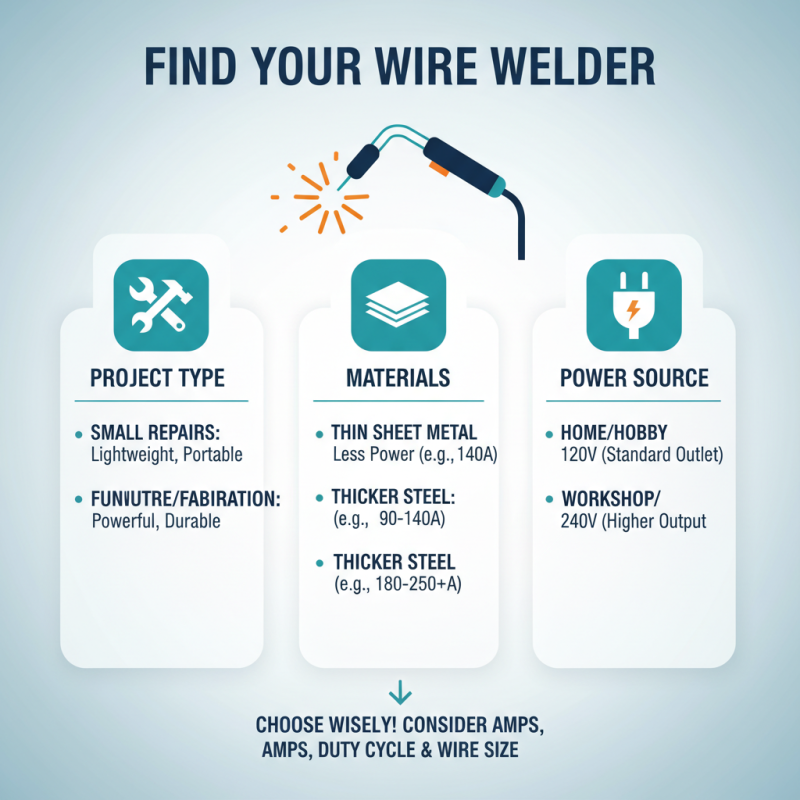
Choosing the best wire welder starts with understanding your needs. What kind of projects do you plan to tackle? For small repairs, a lightweight model may suffice. If you want to build furniture, a more powerful welder could be necessary. Reflect on the materials you will use. Thin sheet metal requires less power, while thicker steel might need a robust welder.
Your skill level is equally important. Beginners may benefit from models with simpler controls. These machines often have settings that help avoid mistakes. They might have features like automatic wire feed. More experienced welders can handle advanced techniques with sophisticated machines. Remember, it's okay to feel uncertain. Learning is part of the journey. Sometimes, you might choose a model that feels more advanced than your current skills. That's an opportunity to grow. Just be prepared to practice, as proficiency takes time.
Budgeting for a High-Quality Wire Welder
When budgeting for a high-quality wire welder, it's vital to assess your needs. The type of projects you'll tackle determines the features you require. Consider the materials, thickness, and frequency of use. These aspects contribute to the overall cost.
Affordable welders might lack essential features. Sometimes, cheaper models have less power or fewer settings. This can lead to frustration or poor weld quality. Weighing these factors helps you decide.
Tips: Look for models with adjustable settings. This gives you flexibility for different tasks. Don't forget to include safety equipment in your budget. It ensures your well-being during welding.
Keeping an eye on future projects is also essential. Opting for a slightly pricier welder may be wise if it's versatile. It could save you money in the long run by meeting various needs.
Safety Considerations and Maintenance Tips for Wire Welders
When using wire welders, safety should always come first. A welding helmet is essential. It protects your eyes from harmful rays. Wear gloves and protective clothing. These items will shield your skin. Always work in a well-ventilated area. This helps reduce inhalation of harmful fumes.
Tips for maintaining your wire welder are simple but crucial. Regularly check the wire feed and nozzle for damage. Inspect the electrical connections frequently. Loose wires can lead to safety hazards. Clean up spattered metal promptly to keep your workspace safe. Ensure everything is organized to avoid accidents.
Once in a while, you might overlook small issues. It’s easy to become complacent. Take breaks to reflect on safety practices. Ask yourself if you're following all precautions. Keeping a checklist can help you stay on track. Never underestimate the importance of maintenance. It prolongs the life of your welder and keeps you safe.
 WeChat Online Service