2026 How to Choose the Right Gas Welder for Your Projects?
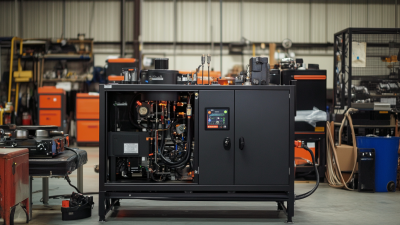
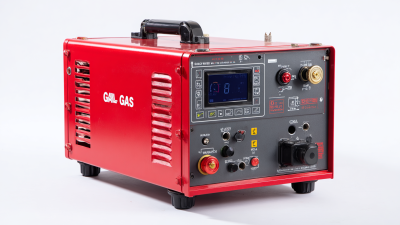
Choosing the right Gas Welder can significantly impact your project outcomes. With a range of options available, understanding your specific needs is essential. Gas welders, known for their versatility, offer unique advantages in various welding tasks. They are suitable for metal fabrication, repairs, and artistic projects.
When evaluating gas welders, consider factors such as portability, power, and fuel type. A lightweight welder may be ideal for on-site projects. However, it might lack power for heavier tasks. Balancing these aspects can be tricky, and even experienced welders occasionally overlook this.
Additionally, safety and comfort should not be underestimated. Find a gas welder that is comfortable to use for long periods. Reflect on your past experiences. Did your equipment selection meet your expectations? Gathering insights can guide you towards better decisions. Selecting a gas welder is more than just a purchase; it is a commitment to enhancing your craftsmanship.

Understanding the Basics of Gas Welding Technology
Gas welding technology is essential for various projects. It's the blend of heat and materials. Understanding its core principles helps in practical applications. Gas welding primarily uses oxygen and fuel gas. This combination creates a flame that can melt metals for joining.
Data from industry reports show that gas welding accounts for about 30% of the welding market. Many professionals prefer this method for its simplicity and cost-effectiveness. The weld produced is often strong, but it's crucial to maintain proper technique. Mistakes can lead to weak joints. The right pressure settings and travel speed significantly influence the quality of the weld.
Learning the nuances of gas welding is important. Overusing heat can cause metal distortion. This mistake is common among beginners. Practicing in a controlled environment helps in mastering pressure and flame control. Awareness of these factors contributes to achieving better results in projects. Understanding gas welding can lead to improved craftsmanship and efficiency over time.
2026 How to Choose the Right Gas Welder for Your Projects?
| Feature |
Description |
Importance |
| Welding Torch Type |
Different torches are suited for various tasks; consider the size and style needed for your project. |
High |
| Tank Capacity |
Larger tanks will allow for longer use without needing a refill, essential for bigger projects. |
Medium |
| Weight |
A lighter gas welder is easier to handle, especially for mobile or fieldwork. |
Medium |
| Adjustable settings |
Allows for precision control based on different welding requirements. |
High |
| Safety Features |
Look for features such as flame arrestors and pressure regulators for added safety. |
High |
| Ease of Use |
User-friendly designs with clear instructions can enhance usability, especially for beginners. |
Medium |
| Price |
Budget considerations are essential; the price should reflect the quality and features. |
High |
Types of Gas Welders and Their Applications
Gas welding is a versatile method used across various industries. Understanding the types of gas welders is essential for making informed choices in projects. One popular type is the oxy-acetylene welder. This welder reaches high temperatures, making it suitable for welding, cutting, and brazing metal. According to the American Welding Society, oxy-acetylene welding accounts for about 25% of all welding performed in the industry.
Another common type is the MIG (Metal Inert Gas) welder. It utilizes a continuous wire feed to create strong welds. MIG welding is preferred for its speed and efficiency. A recent report by the Welding Equipment Manufacturers Association indicated that over 50% of metal fabricators utilize MIG technology for its ease of use. However, it may not be ideal for outdoor projects due to wind affecting the shielding gas.
TIG (Tungsten Inert Gas) welding is notable for precision applications, especially in thin materials. TIG welding provides clean and strong welds, often used in aerospace and automotive industries. However, it requires more skill and practice. The National Center for Welding Education and Training emphasized that many beginners struggle with TIG due to its complexity. Understanding these types and their applications is crucial when selecting the right gas welder for your specific needs.
Key Features to Consider When Choosing a Gas Welder
Choosing the right gas welder involves many important considerations. First, assess the welder's heat output and control. You need a welder that can handle various materials and thicknesses. A variable heat control increases versatility. Ensure you can adjust the flame easily for different tasks. Look for models that offer both high and low settings.
Safety features matter too. A welder should have proper ventilation to avoid harmful fumes. Consider models with flame shields and safety shut-off valves. These additions protect you while working. Ergonomics should not be overlooked. A comfortable grip reduces fatigue during long sessions.
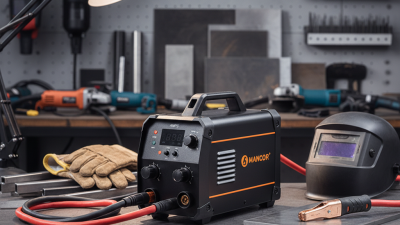
Portability can be a deciding factor for many users. Some welders are lightweight and easy to carry. Think about your workspace and whether you need a machine you can move easily. While you may favor a quieter model, balance it with performance. Finding that sweet spot can be challenging yet rewarding. Choose wisely to enhance your welding experience.
2026 Gas Welder Features Comparison
Safety Precautions and Best Practices for Gas Welding
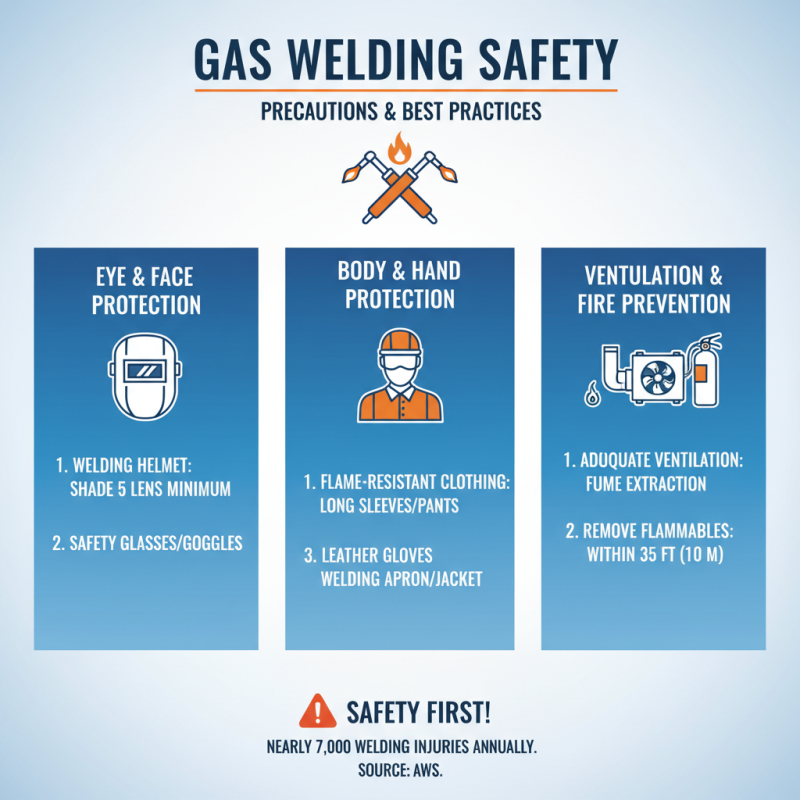
Gas welding is a valuable technique used in various industries. It requires a systematic approach to safety. According to the American Welding Society, nearly 7,000 welding-related injuries occur annually. Therefore, understanding essential safety precautions is vital.
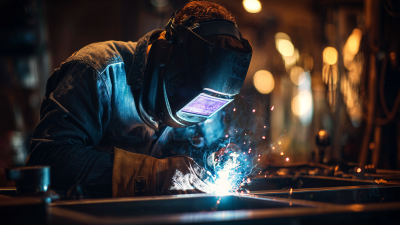
Welders should always wear appropriate protective gear. This includes flame-resistant clothing, gloves, and a full-face shield. Additionally, proper ventilation is crucial. It helps reduce exposure to harmful fumes. A study from the National Institute for Occupational Safety and Health suggests that adequate ventilation decreases the risk of respiratory issues significantly.
While gas welding is effective, it can be dangerous if not approached cautiously. Using the wrong equipment or improper techniques can lead to accidents. Remember to check your equipment regularly and follow best practices. Keeping a well-organized workspace can prevent mishaps and ensure efficiency. Awareness and adherence to safety measures can significantly enhance your welding experience.
Budgeting for Your Gas Welder Purchase and Maintenance Costs
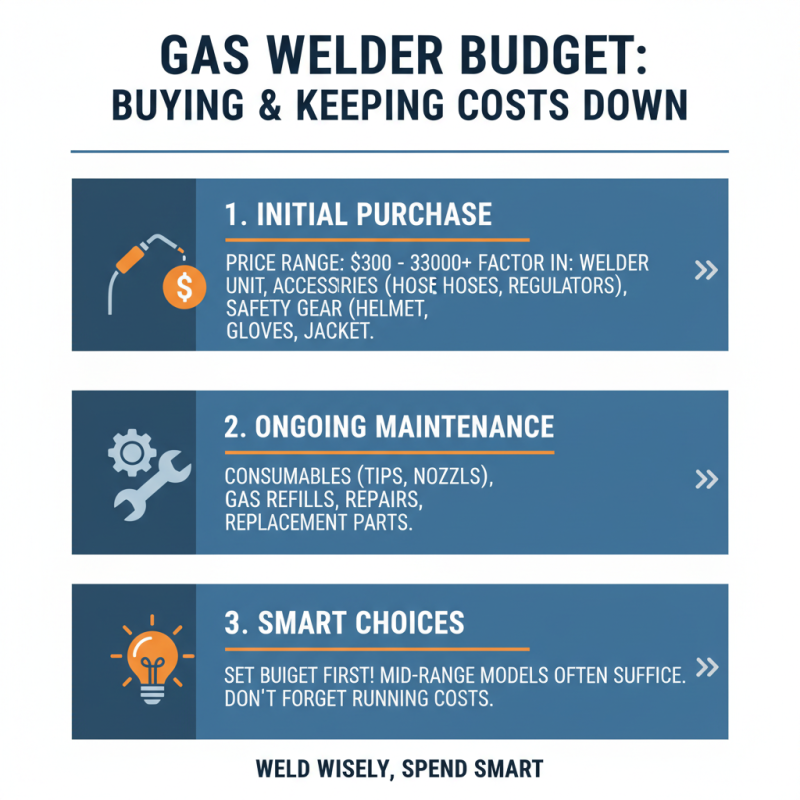
When considering a gas welder, budgeting is crucial for a successful purchase. Determine your price range before browsing options. A good welder can cost anywhere from a few hundred to several thousand dollars. Factor in the costs of essential accessories, maintenance supplies, and safety gear. Not every budget allows for high-end models. Sometimes, mid-range options can still meet your needs.
Maintenance costs can sneak up on you. Regular upkeep is essential for longevity. Plan for routine inspections and necessary repairs. Gas welders require specific cleaning to function optimally. Skipping maintenance could lead to unexpected expenses. It’s important to budget for these costs from the beginning.
Consider the long-term financial impact of your purchase. Will a cheaper model save you money initially? It may end up costing more in repairs. Weigh the pros and cons carefully. Remember, investing a little more upfront can lead to significant savings down the line.

 WeChat Online Service