How to Choose the Right Tig Machine for Your Needs?
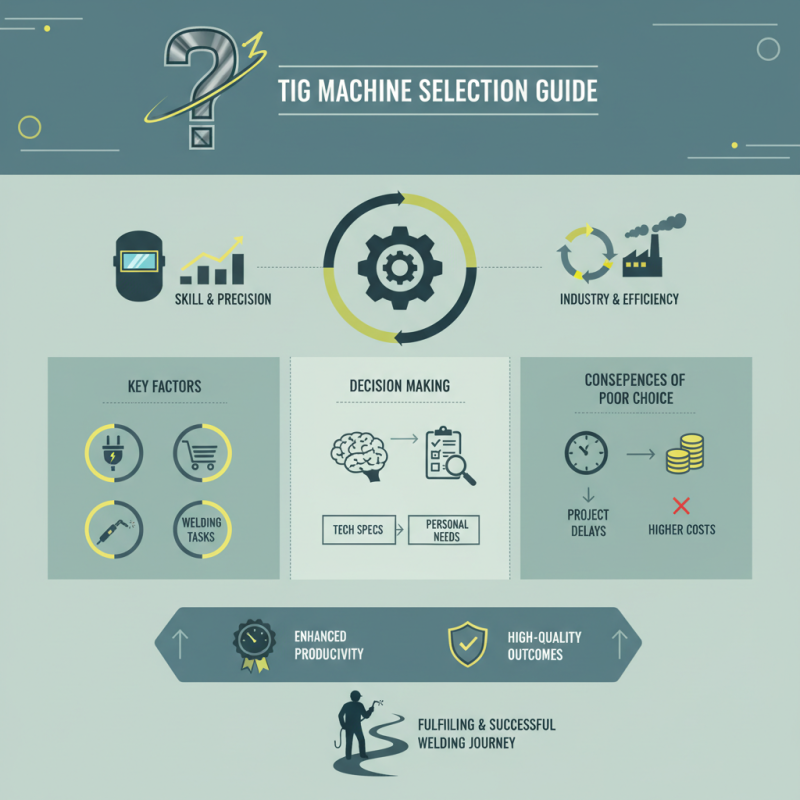
Choosing the right Tig Machine is crucial for achieving precise welds and ensuring efficiency in various industries. According to a report by the Welding Institute, 45% of weld quality issues stem from improper machine selection. As demand for skilled welding professionals grows, experts emphasize the importance of selecting the right equipment. John Smith, a well-known welding expert, states, “The right Tig Machine can transform your work from mediocre to exceptional.”
The market offers a vast range of Tig Machines tailored for different applications. Factors such as power requirements, portability, and specific welding tasks play a significant role in the decision-making process. Even experienced welders can feel overwhelmed by the choices available. It’s essential to evaluate not only the technical specifications but also your personal needs and project requirements. Understanding which features matter most can help avoid costly mistakes.
Welders often underestimate the impact of selecting the wrong Tig Machine. Feedback from professionals highlights that selecting the improper machine led to project delays and higher costs. Reflection on past choices can lead to better decisions in the future. An informed selection can enhance productivity and ensure high-quality outcomes, making the journey towards mastering welding both fulfilling and successful.
Factors to Consider When Choosing a TIG Machine
Choosing the right TIG machine can be daunting. Understanding a few essential factors can simplify the process. One crucial aspect is the power requirement. Different projects require varying amperage settings. A machine with a higher amperage range is essential for thicker materials. However, if you often work with thin metals, a lower amperage machine may suffice.
Portability is another factor to think about. If you work in different locations, a lightweight model is advantageous. Some machines offer a dual-voltage option. This flexibility allows you to operate the machine in various environments. Be mindful of the cooling system as well. Air-cooled machines are convenient for light work. For more intense projects, water-cooled options perform better.
It's vital to consider the type of torch included. A comfortable grip and adjustable features can enhance your welding experience. Further, pay attention to ease of setup. A machine that is user-friendly saves time and reduces frustration. Reflecting on your past experiences can guide your choice. Recognizing what worked and what didn’t can lead to a better investment.
Understanding Different Types of TIG Machines
When selecting the right TIG machine, understanding the various types available is crucial. There are typically two main categories: AC/DC machines and DC-only machines. AC/DC machines are versatile, allowing you to weld both aluminum and steel. This feature makes them a popular choice for many welders. They have the capability to adjust the frequency and balance, which can affect the weld quality. It is essential to consider what materials you will work with most often.
DC-only machines are a different story. They primarily handle steel and stainless steel. While they can offer excellent results for specific metals, their limitations may restrict your work options. If your projects predominantly involve non-ferrous metals, such as copper or aluminum, a machine that lacks AC capability could lead to frustration. Additionally, many users report dissatisfaction when trying to achieve a perfect finish with these machines.
Another key aspect is the machine's duty cycle. Lower duty cycles can lead to overheating issues. You may find yourself waiting long periods for the machine to cool down. This inefficiency could slow down your workflow. Therefore, assessing your project scope and frequency of use is vital. A higher duty cycle might be beneficial if you plan to engage in long welding sessions. Reflecting on these details will help in making a more informed decision tailored to your specific needs.
Comparison of Different Types of TIG Machines
Evaluating Required Features for Your Welding Projects
When selecting a TIG machine for your welding projects, it's crucial to evaluate required features based on your specific needs. The process starts with understanding the materials you will work with. For example, welding aluminum requires more precise power control than welding steel. According to industry reports, over 40% of welders cite precision as a top requirement for their projects.
Tips: Prioritize machines with adjustable amperage settings. This feature allows for better control and versatility in your work.
Next, consider the frequency of use. If you plan to weld regularly, investing in a machine with a higher duty cycle is beneficial. A duty cycle of at least 60% is recommended for frequent jobs, according to the American Welding Society. Additionally, portability can be a significant factor if you need to work in various locations. Often, lightweight machines can be less powerful.
Tips: Look for inverter-based TIG machines. They are typically lighter and more efficient.
Review the additional features like gas flow control and post-flow settings. These can enhance the quality of your welds but may be overlooked by beginners. However, these features can make a significant difference. An experienced welder knows the importance of proper gas coverage to prevent contamination.
How to Choose the Right Tig Machine for Your Needs?
| Feature |
Description |
Importance Level |
Recommended Machines |
| AC/DC Capability |
Allows welding of both aluminum (AC) and steel (DC). |
High |
Model A, Model B |
| Wattage |
Indicates the machine's power output, influencing welding thickness. |
Medium |
Model C, Model D |
| Portability |
Ease of transportability for onsite work. |
Medium |
Model E |
| Digital Display |
Helps monitor settings more accurately. |
High |
Model F |
| Pulsed Welding |
Allows for better control on thinner materials. |
High |
Model G, Model H |
Assessing Power Source Options for TIG Welding
When assessing power source options for TIG welding, it’s crucial to understand your specific welding needs. Different projects demand different power sources. The most common choices include transformers, inverters, and engine-driven generators. Each type has its strengths and weaknesses. Inverters are compact and versatile, making them ideal for various tasks. Transformers tend to provide consistent power but are often bulkier.
Consider the material thickness you'll be working with. Thicker materials require higher amperage, while thinner ones can be handled with lower power sources. Portability is another key factor. If you need to move your setup frequently, an inverter might be more suitable. However, if you have a dedicated workspace, a transformer could offer stable performance.
Don’t forget about the welding environment. If you're working outdoors, a generator might be necessary. Factors like electricity availability and site conditions can influence your decision. Take your time to weigh these options. Reflect on your experiences and how they shape your power source selection. Understanding your unique requirements will lead to better outcomes in your TIG welding projects.
Budgeting for Your TIG Welding Equipment Needs
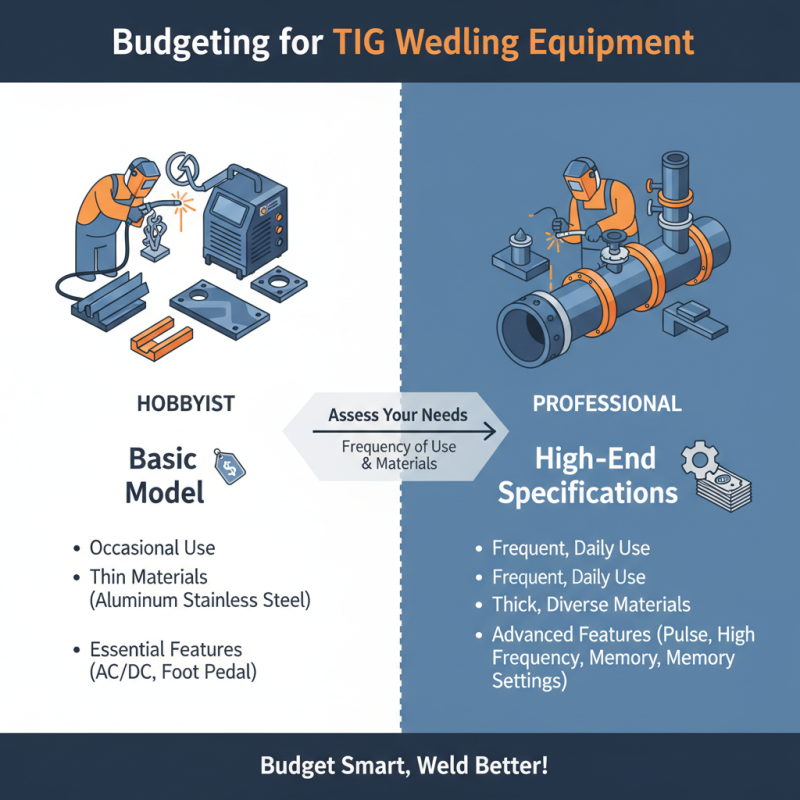
When budgeting for your TIG welding equipment, it's essential to consider your unique needs. Start by determining how often you'll use the machine and the materials you'll work with. This can help you gauge what features are necessary. If you're a hobbyist, a basic model may suffice. Professionals, however, might require higher-end specifications.
Research prices for different machines. A quality TIG welder varies in cost, so understanding your budget is vital. Set aside additional funds for essential accessories, such as gloves, helmets, and gas. These often get overlooked but are crucial for safety and project integrity. Be ready to compromise on some features if the cost exceeds your budget.
Consider the long-term maintenance costs as well. A cheaper initial investment may lead to higher repair or replacement costs down the line. It's worth reflecting on your intended use. That can guide your decision-making process. Investing in training or workshops can also fit into your budget plan. Learning to use the machine effectively increases the value of your purchase. Balancing quality and cost may take time and multiple attempts.
 WeChat Online Service