Why Choose the Right Welder Equipment for Your Projects?
Choosing the right welder equipment can significantly impact your projects. Not all welders are created equal. Each project may require different features and capabilities.
Inadequate welder equipment can lead to poor results. A wrong choice might result in weak joints or even project failure. Investing in high-quality equipment often pays off in time and efficiency.
Understanding your specific needs is crucial. Take into account the materials you will work with and your skill level. Sometimes, the options can feel overwhelming. You might purchase equipment that isn't ideal for your tasks. Reflecting on past projects can help guide your decision. Choose wisely to ensure success in your welding endeavors.
Understanding Different Types of Welder Equipment and Their Uses
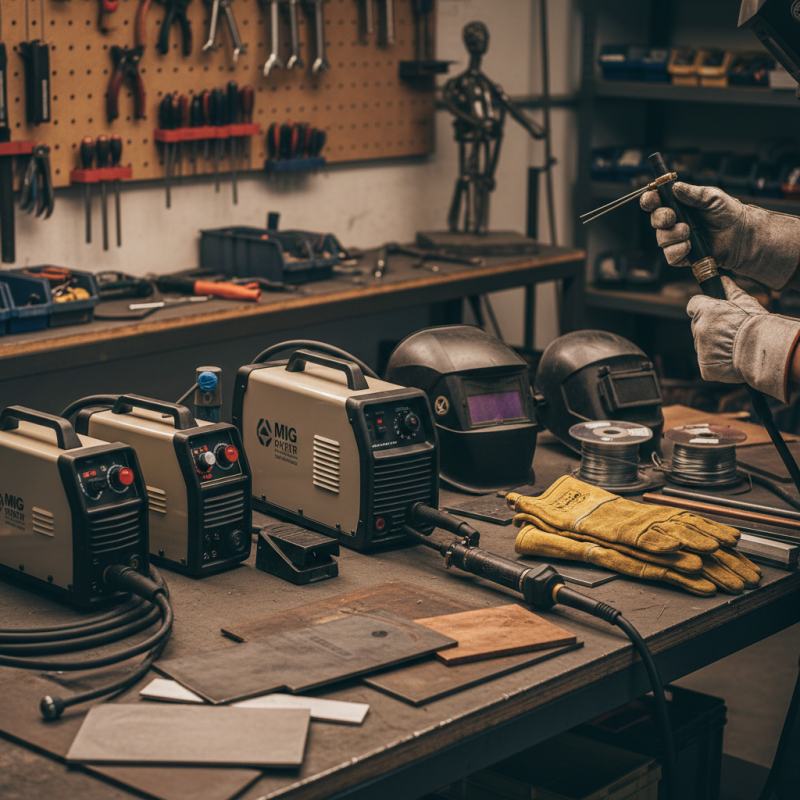
Choosing the right welding equipment is crucial for achieving quality results in any project. Various types of welding equipment serve different purposes and come with unique specifications. For instance, MIG welders are versatile and user-friendly, making them popular for beginners and advanced users alike. According to a report by the American Welding Society, MIG welding accounts for about 70% of all welding processes used in industries today. This statistic highlights its significance in manufacturing and repairs.
TIG welders provide high precision and quality, ideal for thin materials. They use a tungsten electrode to produce the weld. In contrast, Stick welders are robust and portable, perfect for outdoor projects. A technical guide from the Fabricators & Manufacturers Association suggests that Stick welding is often preferred for heavy steel fabrication due to its ability to handle dirty and rusty materials.
However, many users underestimate the importance of choosing the right amperage and voltage settings for different materials. Incorrect settings can lead to poor weld quality and wasted materials. The difference between a successful weld and a failed one can be very slight. Each type of welder has its strengths and weaknesses. Understanding these details is vital for effective welding projects.
Factors to Consider When Selecting Welder Equipment for Your Projects
When selecting welder equipment, consider the materials you will work with. Different metals require specific types of welders. For instance, aluminum needs a different approach than steel. Understanding this can prevent costly mistakes. Analyze your common projects. Are you mainly working with thin sheets or heavy plates? Your equipment should match the demands of your tasks.
Power output is vital. The right welder should handle the thickness of the materials effectively. A machine with too low power can underperform. Too much power may burn through your workpieces. Test your options to find the best fit. Look for features that enhance control, such as adjustable settings.
Ergonomic designs can also make your projects easier and more comfortable. Don’t forget portability. Your workspace might change frequently. Some tasks are stationary, while others are mobile. A lightweight welder can save time and hassle. Reflect on how often you will transport your equipment. This factor significantly impacts your efficiency.
Finally, consider budget constraints. Higher prices don’t always guarantee better performance. Weigh your options carefully.
The Impact of Equipment Quality on Welding Results and Safety
The quality of welding equipment plays a crucial role in determining the outcome of any project. According to a report by the American Welding Society, nearly 30% of weld defects stem from using inferior tools. These defects can lead to structural failures. Projects may encounter unnecessary delays and increased costs. That's a real concern.
Safety is another critical factor. Poor equipment can increase the risk of accidents in the workplace. The Occupational Safety and Health Administration (OSHA) states that equipment failures are a leading cause of welding injuries. Proper gear can reduce injury rates by up to 40%. This isn't just a statistic; it reflects the importance of investing in quality tools for protecting workers.
Many welders, particularly in small businesses, underestimate the value of good equipment. They may opt for lower-priced options. This could save money initially but may lead to higher long-term costs due to repairs and injuries. A careful examination of tools can prevent these pitfalls. Quality welders might cost more upfront, but they ensure better safety and reliability in the long run.
Common Mistakes to Avoid in Choosing Welder Equipment
Choosing the right welder equipment can seem daunting. One common mistake is focusing solely on price. While affordability matters, quality should not be compromised. A low-cost welder might fail during critical tasks, leading to more expenses down the line.
Another frequent error is overlooking the specific requirements of your project. Each welding job is unique. Not considering material types or thickness can result in poor results. For instance, using the wrong welding process on aluminum could cause tears. Furthermore, lack of understanding about technical specifications can lead to frustration later.
Not seeking expert advice can also be a pitfall. Some may think they can avoid this step, but it often backfires. Many rush into decisions without fully understanding their options. Consulting with experienced welders can save time and enhance project quality. Reflecting on these mistakes can lead to better choices in the future.
 WeChat Online Service