Top Digital Welding Machines to Buy in 2026 for Global Buyers?
As the demand for efficient and precise welding solutions rises, the market for Digital Welding Machines is booming. According to a report by Grand View Research, the global welding equipment market is expected to reach $23.6 billion by 2026, with digital technologies leading the charge. This transformation is driven by advancements in automation and smart technology, offering greater accuracy and control.
Industry expert Dr. Emily Tran notes, "Digital Welding Machines increase productivity while reducing human error." Her insights reflect the urgent need for industries to adopt these advanced solutions. The integration of digital technology allows for real-time monitoring and adjustments, enhancing the overall quality of welds.
However, challenges remain in navigating the vast array of products. Potential buyers must consider their specific needs and how each machine's features align with their operations. It's crucial to weigh options carefully, as the landscape of digital welding continues to evolve rapidly.
Overview of Digital Welding Technology Trends for 2026
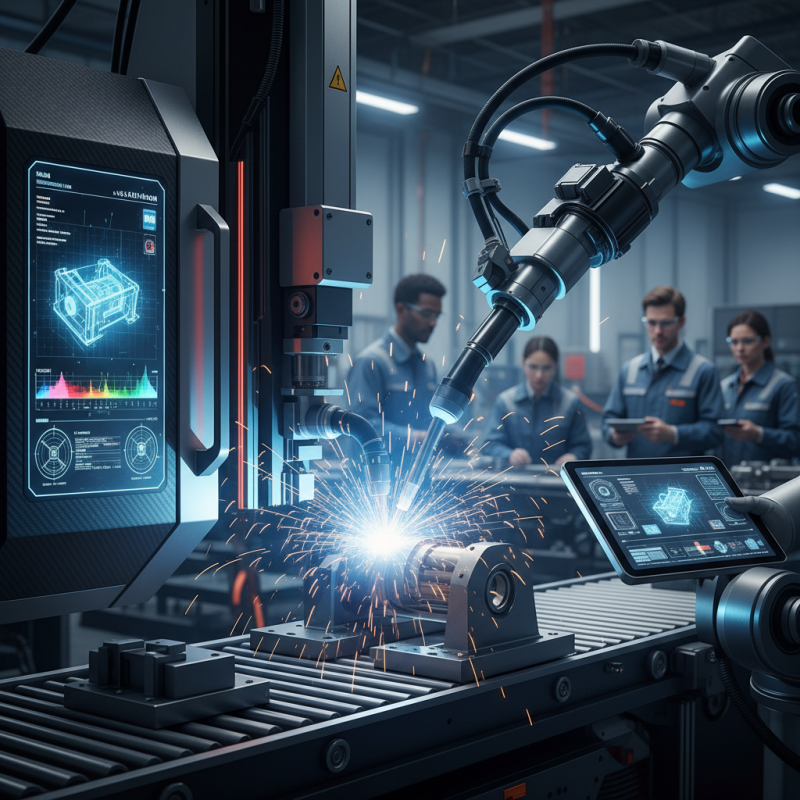
Digital welding technology is evolving rapidly, with significant trends expected in 2026. According to a recent industry report, the global market for digital welding machines is projected to grow by 8% annually, reflecting increasing demand for automation and precision. Companies are focusing on integrating IoT capabilities into welding processes. This shift allows for real-time monitoring and adjustments, enhancing efficiency.
Another key trend is the rise of AI in welding applications. It helps in training machines to optimize welding parameters, improving weld quality and reducing waste. Experts believe that by 2026, nearly 30% of welding operations will incorporate AI, streamlining production. This integration of technology presents challenges as well, such as the need for skilled labor to manage advanced systems.
As digital welding continues to advance, attention must also be paid to safety protocols. Automated systems can reduce human error, but they also require rigorous safety standards to protect workers. Manufacturers will need to invest in updated training programs. Therefore, while the innovations are promising, they also carry responsibilities that must be addressed for sustainable progress.
Key Features to Consider in Digital Welding Machines
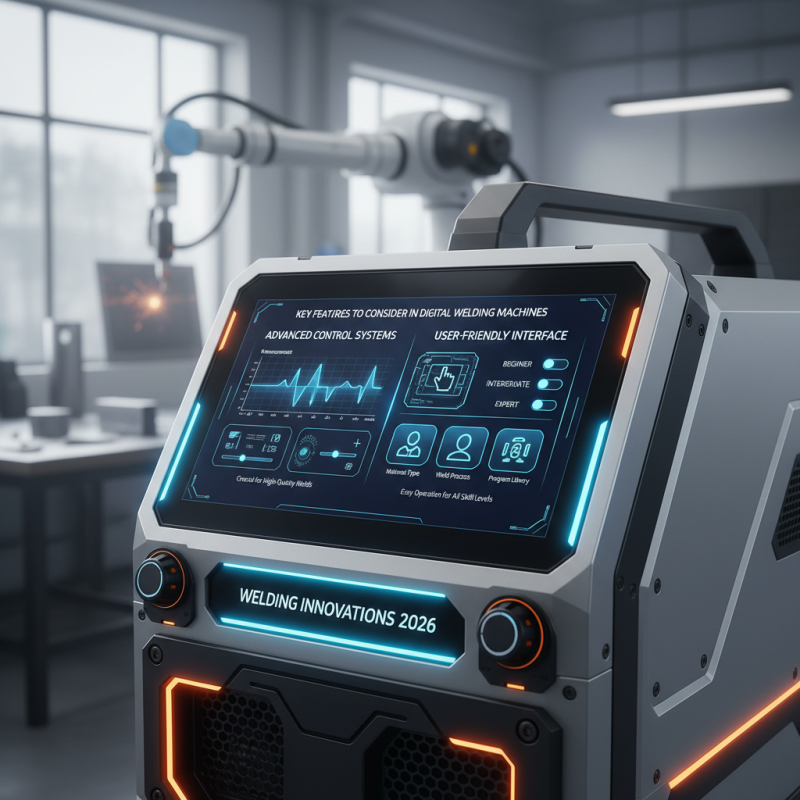
When selecting a digital welding machine in 2026, several key features should be on your radar. First, look for advanced control systems. These machines allow for precise adjustments in temperature and speed, crucial for achieving high-quality welds. User-friendly interfaces are important too. They make it easier for welders of all skill levels to operate the machinery efficiently.
Consider the versatility of the machine. A good welding machine should handle various materials and thicknesses. This adaptability can save time and resources. Portable models are beneficial for on-site jobs. Their lightweight design allows for easy transport, yet it’s essential to ensure they don’t compromise on power and performance.
Tips: Always check customer reviews to assess reliability. User feedback is a practical way to gauge performance. Think about future needs, too. Investing in a machine that can grow with your projects is wise. Remember, even the most advanced machines can have quirks. Every model may require a learning curve or regular maintenance. Don’t overlook these aspects. They could affect your overall experience significantly.
Top Brands and Models of Digital Welding Machines in 2026
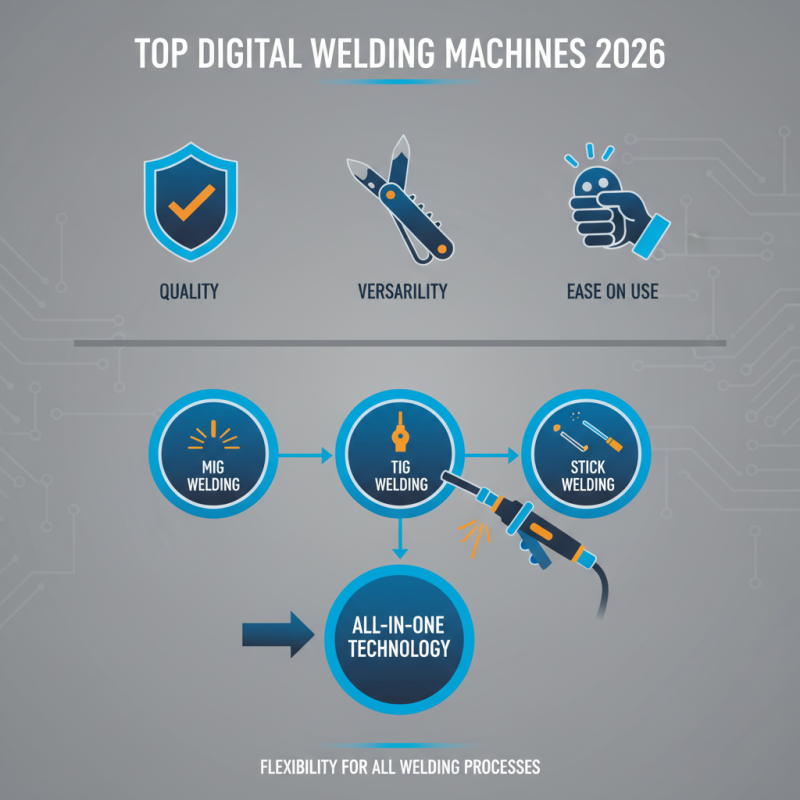
When considering the top brands and models of digital welding machines in 2026, several key factors come into play. Quality, versatility, and ease of use are essential. A good welding machine should cater to various welding processes. Look for models that support MIG, TIG, and Stick welding. Machines that combine these technologies can offer flexibility.
Tips: Always check for energy efficiency ratings. These ratings can lead to long-term savings on electricity. Also, consider the portability of the machine. A lightweight model may be beneficial for job sites requiring mobility.
Another critical aspect is customer support. Reliable brands offer excellent after-sales service. A strong warranty is also a good indicator of a trustworthy product. Seek out user reviews for insights into actual performance. It’s wise to pay attention to common complaints. These reflect areas where improvement is needed. Not every model will suit every user's needs. Be prepared to invest time into research.
Tips: Familiarize yourself with the machine’s settings before use. This knowledge can prevent errors during welding. Proper training is crucial for safe operation. Don't overlook the significance of a comprehensive user manual.
Comparison of Price and Performance for Global Buyers
The landscape of digital welding machines is evolving rapidly. For global buyers, understanding price and performance is crucial. Industry reports indicate that the global welding equipment market is projected to reach 20 billion USD by 2026. This growth reflects the rising demand for advanced welding technologies.
When comparing machines, prices vary significantly based on features. For instance, entry-level models range from 500 to 1,500 USD. These are often considered basic options, suitable for occasional use. Mid-range models, priced between 2,000 and 5,000 USD, offer enhanced features. They provide better performance and are more reliable for professional applications. High-end machines exceed 5,000 USD, resulting in top-tier performance for daily industrial use.
Performance metrics also indicate notable differences. For example, duty cycle rates can influence machine selection. Machines with a higher duty cycle run longer before overheating. Reviews suggest that models with under 20% duty cycles may prove inadequate for heavy tasks. Efficiency ratings further complicate choices, as some machines consume more energy yet deliver lower output. Global buyers face challenges navigating these nuances and finding the right balance between price and performance.
Top Digital Welding Machines to Buy in 2026 for Global Buyers
| Model |
Price (USD) |
Power (W) |
Weight (kg) |
Rating (out of 5) |
| Digital Welder 2000 |
$499 |
2000 |
15 |
4.5 |
| Pro Weld 220 |
$650 |
2200 |
18 |
4.7 |
| MegaWelder 3000 |
$800 |
3000 |
20 |
4.9 |
| FlexiWeld 150 |
$400 |
1500 |
10 |
4.2 |
| Ultra Weld 2500 |
$730 |
2500 |
22 |
4.8 |
Future Innovations in Digital Welding Equipment and Techniques
The future of digital welding equipment is set to transform the industry. Innovations are focusing on increasing efficiency and precision. Advanced sensors and AI algorithms are being integrated into machines. These enhancements allow for real-time adjustments during welding processes. Consequently, the quality of the welds improves significantly.
Moreover, user interfaces are becoming more intuitive. This change makes it easier for operators to understand and control the equipment. With these advancements, training becomes less daunting. However, there is a caveat; newer technology can prompt a steep learning curve. Some operators might struggle to adapt initially.
Safety features are also evolving with digital welding machines. Enhanced monitoring systems alert users to potential hazards. This proactive approach reduces accidents significantly. Nevertheless, not all innovations address existing issues. Some improvements may lead to unexpected complications in traditional workflows. Continuous feedback from users is critical to fine-tune these technologies effectively.
Top Digital Welding Machines to Buy in 2026

 WeChat Online Service