Essential Tips for Successful Stainless Steel Welding Techniques?
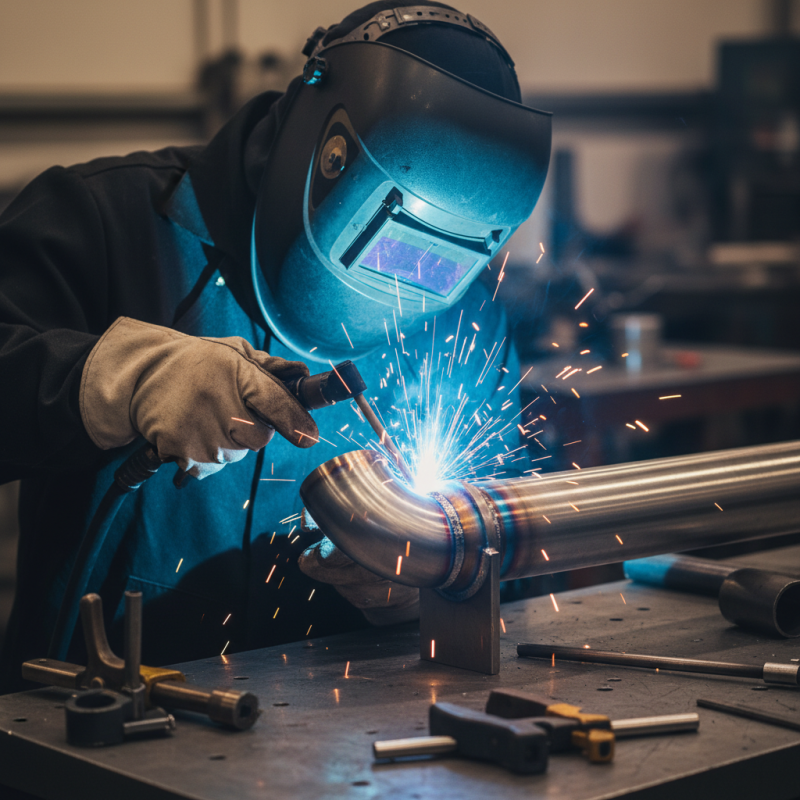
Stainless Steel Welding is a vital skill in metal fabrication. The high strength and corrosion resistance of stainless steel make it a preferred choice in various industries. Yet, successful welding of this material demands precision and knowledge.
Many welders encounter challenges when working with stainless steel. Issues such as warping and cracking can occur if proper techniques aren't applied. It’s essential to understand the characteristics of stainless steel. Each type has unique properties that affect welding behavior.
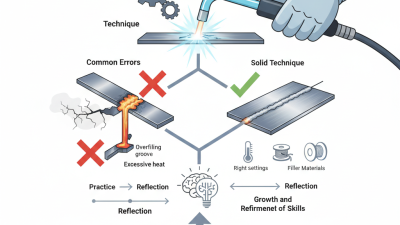
Mastering stainless steel welding requires practice and a willingness to learn. Mistakes are part of the journey. Reflecting on these challenges can lead to improvement. By focusing on the right techniques, anyone can enhance their skills and achieve better results in stainless steel welding.
Understanding the Basics of Stainless Steel Welding
Welding stainless steel requires a solid understanding of its unique properties. Unlike carbon steels, stainless steel offers high resistance to corrosion. This characteristic, however, poses challenges during welding that necessitate a careful approach. For instance, the heat generated during welding can cause warping and significant changes in the metal's microstructure. This can lead to hardening or cracking if not managed correctly.
According to a report by the American Welding Society, proper preheating and post-weld treatments can significantly improve the durability of stainless steel welds. Preheating helps minimize temperature differences within the material, reducing the risk of thermal stress. Post-weld treatments, such as annealing, can help restore ductility after welding.
Achieving a clean work environment is crucial. Contamination from oils, dirt, and oxidation can impair the quality of the weld. A study showed that over 30% of weld defects in stainless steel are due to inadequate surface preparation. Therefore, consistently cleaning the surfaces to be welded is essential for creating strong, reliable joints. Each step in the process must be approached with care to ensure the integrity of the final product.
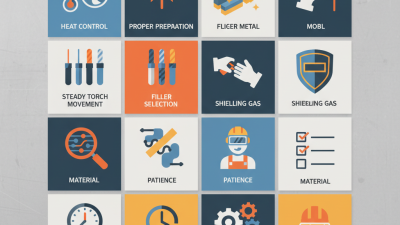
Essential Tips for Successful Stainless Steel Welding Techniques
This chart illustrates the efficiency of various stainless steel welding techniques measured in percentage. The data indicates which techniques are the most effective in achieving high welding efficiency.
Essential Equipment and Tools for Stainless Steel Welding
Welding stainless steel requires specific tools and equipment to ensure high-quality results. Essential items include a reliable welding machine. A machine that supports multiple welding processes enhances versatility. A MIG welder is popular for its ease of use, while TIG welders offer precision for delicate tasks.
Protective gear is crucial for safety. A good welding helmet protects the eyes from bright lights and sparks. Gloves should be heat-resistant and fit well. Additionally, a sturdy welding jacket can shield your skin from harmful UV rays.
Using the right filler materials is just as important. Ensure you choose filler rods that match your stainless steel grade. Poor choices can lead to weak welds and oxidation. Regular maintenance of tools is also vital. Keep equipment clean to achieve optimal performance.
Pre-Welding Preparations for Optimal Results
Pre-welding preparations play a crucial role in achieving optimal results in stainless steel welding. One critical aspect is cleaning. Any contamination on the surface can lead to defects. Studies show that 70% of welding defects arise from inadequate surface preparation. A simple clean with a solvent can remove oils and dust, but mechanical cleaning may also be necessary. Using brushes made of stainless steel can help eliminate rust and particulate matter effectively.
Another essential preparation step involves understanding the joint design. A poor joint design can cause excessive stress and lead to failures. Experts recommend using a joint design that supports the welding process, taking into account factors like thickness and alignment. The American Welding Society states that improper joint configuration contributes to 30% of fatigue failures in welded structures. This highlights the importance of thoughtful planning.
Temperature control is also vital. Stainless steel can warp if heated unevenly. Pre-heating the base metal minimizes thermal stress. The recommended pre-heat temperature for stainless steel can vary. It generally ranges from 150°F to 400°F. Monitoring the temperature requires reliable instruments to avoid errors. Remember, even small miscalculations can lead to costly repairs down the line. Preparing properly is not just about tools; it’s also about knowledge and attention to detail.
Common Welding Techniques for Stainless Steel
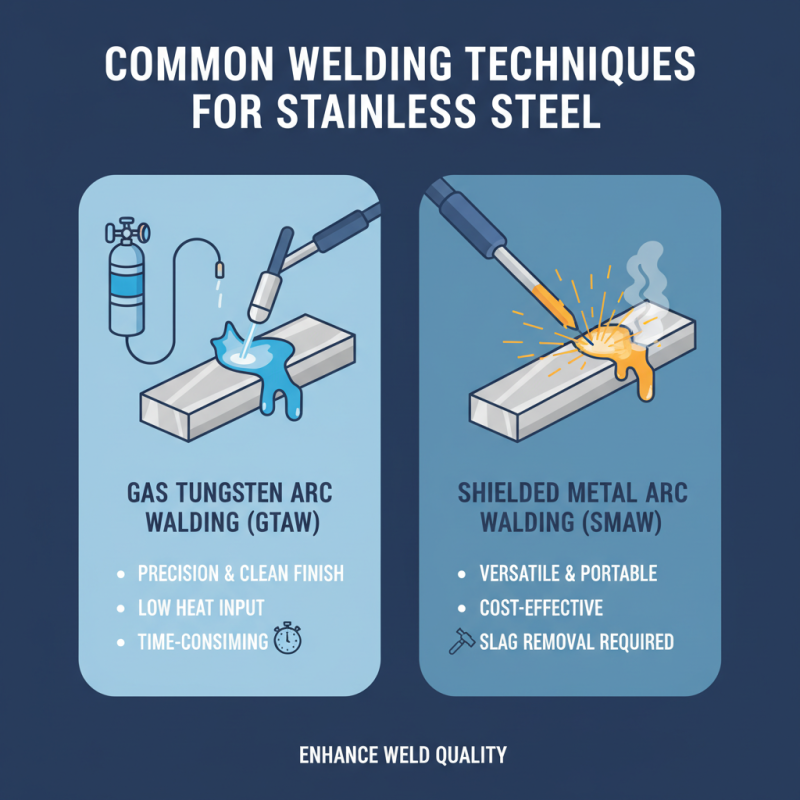
Welding stainless steel requires specific techniques. Familiarity with these methods can significantly enhance weld quality. Among common techniques, Gas Tungsten Arc Welding (GTAW) and Shielded Metal Arc Welding (SMAW) are widely used. GTAW is praised for its precision and clean finish but can be time-consuming.
SMAW, on the other hand, offers versatility in outdoor conditions. According to the American Welding Society, over 60% of stainless steel welding projects utilize these two methods. Proper control of heat input is crucial. Excess heat can lead to distortion or excessive grain growth, weakening the weld joint.
Tip: Always ensure proper shielding during GTAW. This prevents contamination and provides a smoother finish. Additionally, maintaining a consistent travel speed reduces the chance of defects. Mistakes in weld preparation can result in costly rework. Reflecting on the welding process helps identify recurring issues. Improvement comes through recognizing and adjusting these factors for better outcomes.
Post-Welding Practices to Ensure Joint Integrity
Proper post-welding practices are vital in stainless steel welding. They help ensure joint integrity, prevent corrosion, and maintain structural strength. According to industry reports, up to 50% of welding failures stem from inadequate post-weld processes. Thus, follow systematic steps to enhance the durability of your welds.
Begin with proper cooling. Slow, controlled cooling can help minimize stresses in the welded area. Rapid temperature changes may cause warping or cracking. A noticeable cooling rate difference can affect the microstructure. Monitoring temperatures is key. Keep a close eye on environmental conditions during this phase.
Next, consider proper cleaning protocols. Residual contaminants can lead to reduced corrosion resistance. Use non-abrasive cleaners, as harsh methods can damage the surface and compromise weld quality. Lightly scrub the area and ensure a clean surface. Utilize passivation techniques to restore the chromium oxide layer. This process helps enhance resistance to corrosion.
Finally, inspect the weld after cooling and cleaning. Nondestructive testing methods, like ultrasonic or dye penetration tests, can reveal hidden flaws. Such inspections significantly lower the risk of mechanical failures later. Remember, taking the time for these practices can make the difference between a successful weld and a failure.

 WeChat Online Service