Essential Tips for Successful Stainless Welding Techniques?
Stainless Welding is a specialized skill in metal fabrication. It requires precision, knowledge, and practice. John Smith, a recognized expert in the field, once said, “Stainless welding is as much art as it is science.” This highlights the delicate balance needed for successful welding techniques.
Understanding the properties of stainless steel is essential. Proper settings on the welding machine can prevent issues like warping or cracking. Many newcomers struggle with these fundamentals. They often leave behind imperfections that could have been avoided. Every weld should reflect attention to detail.
Experimentation and continuous learning are vital in Stainless Welding. Welders must analyze their work, learning from mistakes. This process leads to growth and skill refinement. Failing to recognize areas of improvement can stall one’s development. Practical experience, combined with expert advice, paves the way for successful welding techniques.
Essential Tools and Equipment for Stainless Welding
When it comes to stainless welding, having the right tools is crucial. A reliable welding machine designed for stainless steel ensures that your welds are strong and clean. Consider a TIG welder for intricate work and MIG for quicker tasks. Pairing your welder with a suitable electrode can significantly improve the quality of your welds.
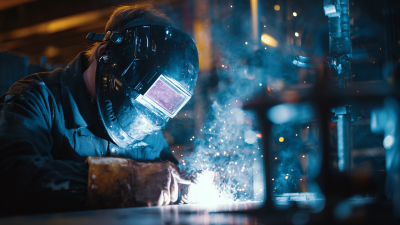
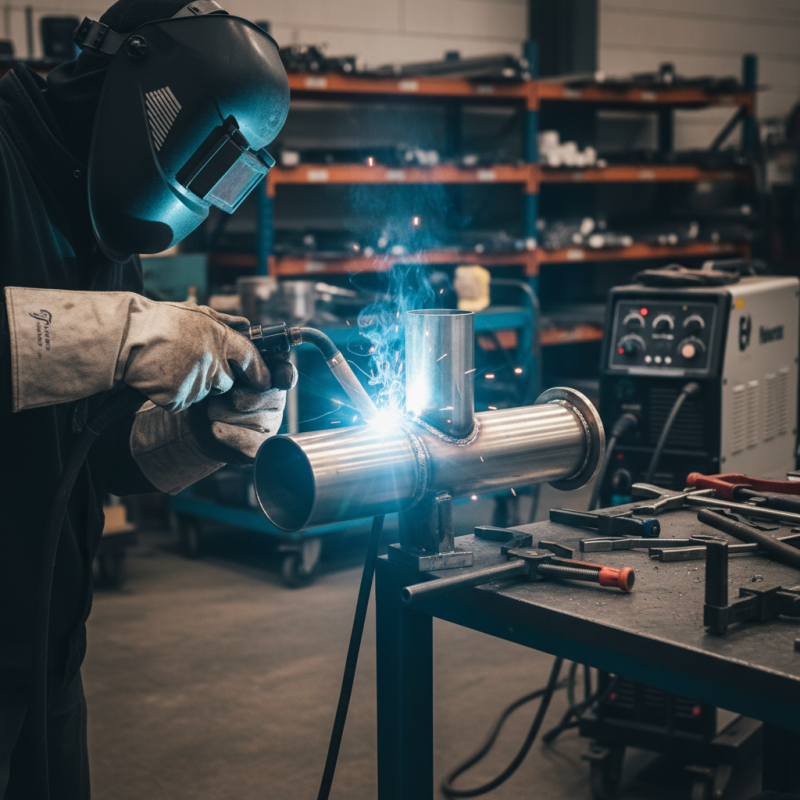
Other essential equipment includes a good helmet, gloves, and a sturdy work table. The helmet protects your eyes and face from sparks. Quality gloves allow for better handling of materials and provide safety. A flat work table helps maintain stability and accuracy during your welding projects.
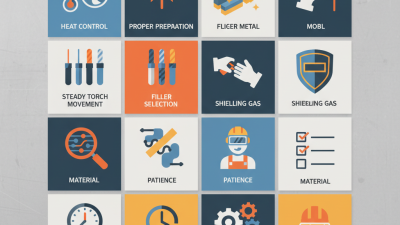
Here’s a tip: always clean the stainless steel before welding. Impurities can lead to weak joints. Also, practice your technique on scrap pieces first. It can be frustrating, but it's vital to refine your skills. Mistakes happen; learn from them to improve your process.
Preparation Steps for Stainless Steel Welding Surfaces
When preparing stainless steel for welding, cleanliness is crucial. Start by removing any contaminants. Oils, dirt, and oxidation must go. Use a suitable solvent. Rubbing alcohol or acetone works well. A clean surface ensures better weld quality.
Next, inspect the metal for imperfections. Are there scratches or dents? These can affect the welding process. Use a grinder to smooth rough edges. This step may seem minor, but it significantly impacts the weld's integrity. If you skip it, you might regret it later.
Finally, consider the joint design. A poor design can lead to weak welds. Ensure the pieces fit well together. Gaps and overlaps can trap impurities. Such issues can require rework, delaying your project. Always aim for precision. It’s okay to take time to measure twice and cut once, rather than rushing through the process.
Essential Tips for Successful Stainless Welding Techniques
| Preparation Step |
Description |
Importance |
| Surface Cleaning |
Removing contaminants like oil, grease, and rust from the surfaces. |
Ensures a cleaner weld and prevents defects. |
| Fit-Up |
Proper alignment of the materials to be welded. |
Critical for achieving strong and uniform welds. |
| Choosing Filler Material |
Selecting the right filler according to the base materials. |
Affects the strength and corrosion resistance of the weld. |
| Welding Environment |
Ensuring a clean, dry, and safe working area. |
Prevents contamination and ensures welder safety. |
| Preheating |
Heating the base material before welding if required. |
Reduces the risk of cracking in thicker materials. |
Understanding Different Stainless Steel Welding Techniques
Welding stainless steel requires a solid understanding of different techniques. Common methods include TIG, MIG, and stick welding. Each technique has its advantages. TIG welding, for instance, provides precision and a clean finish. However, it demands skilled hands. On the other hand, MIG welding is faster but may produce more spatter.
One report by the American Welding Society indicates that 47% of welders struggle with stainless steel tasks. This can be attributed to various factors, including metal thickness and joint design. Remember, preparation is key. Clean the stainless steel surface properly to eliminate contaminants. A clean weld means fewer defects.
Here are some tips to enhance your stainless welding quality:
- Always use appropriate filler material. Mismatched fillers can weaken joints.
- Keep your settings consistent for better results.
- Lastly, practice on scrap pieces. Mistakes can teach valuable lessons.
Embracing failures often leads to improvement in skills.
Common Challenges in Stainless Welding and Their Solutions
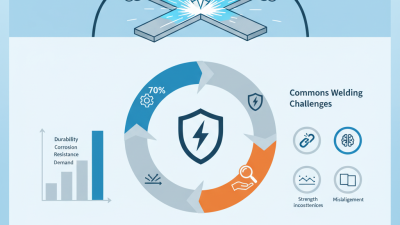
Stainless steel welding presents unique challenges that can hinder the quality of the final product. One common issue is warping. This occurs due to uneven heating during the welding process. To mitigate this, it’s essential to keep the heat input consistent. Using multiple passes can help distribute heat better. Additionally, preheating the metal can alleviate some thermal stress.
Another challenge is the formation of chromium carbides. This can lead to corrosion, which is a significant concern for stainless steel structures. Properly controlling the heat during welding is key. You can also select filler materials that minimize these carbides. On occasion, welders forget to clean the surfaces before starting. Contaminants can lead to defects and weak joints. Always ensure the work surface is free of oils and dirt for a strong weld.
Lastly, the right equipment is crucial. Inexperienced welders might underestimate the importance of using the correct type of shielding gas. Incorrect selection can result in porosity. It’s about paying attention to details. Reflecting on past projects can reveal areas for improvement. Embrace the learning curve. Practice will enhance proficiency in overcoming these welding challenges.
Safety Precautions and Best Practices for Stainless Welding
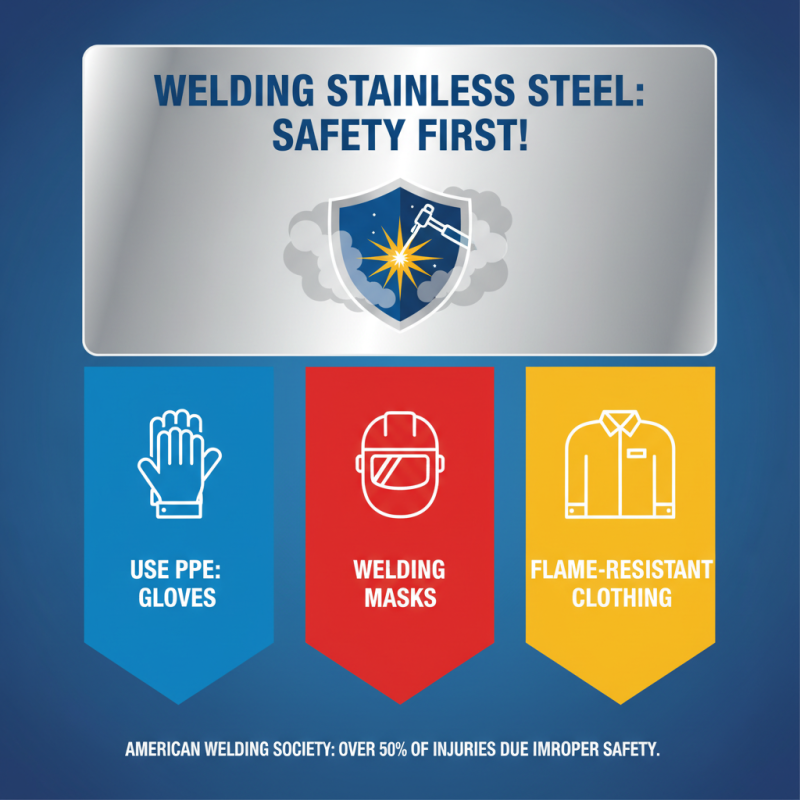
Welding stainless steel requires strict safety precautions. According to the American Welding Society, over 50% of welding injuries occur due to improper safety measures. This statistic highlights the importance of a safe work environment. First, use personal protective equipment (PPE) such as gloves, welding masks, and flame-resistant clothing. These elements reduce exposure to hazards like burns and toxic fumes.
Ventilation matters significantly. The Occupational Safety and Health Administration (OSHA) recommends adequate ventilation to prevent the accumulation of harmful gases. When working in confined spaces, proper air circulation is critical. Also, be aware of fire hazards. Nearby flammable materials should be removed or shielded. In a study, nearly 30% of welding fires started from overlooked sparks.
常言道,熟能生巧。如果没有遵循最佳实践,焊接结果可能会出乎意料。 For instance, improper electrode selection can lead to weak welds and unexpected fractures. A poorly executed joint may require rework, wasting time and resources. Always check equipment settings before starting. Small deviations can result in significant quality issues. Ensuring a clean work area and organized tools can help maintain focus, ultimately improving safety and efficiency.

 WeChat Online Service