Why Are Stick Welding Welds Important for Your Projects?
Stick Welding Welds play a crucial role in many construction and repair projects. This welding method is particularly appreciated for its simplicity and versatility. According to a report by the American Welding Society, stick welding accounts for about 70% of all welding activities in various industries.
The durability of stick welding welds is often highlighted. They can effectively withstand harsh environments, making them essential for outdoor projects. However, some may overlook the importance of proper technique. Poor technique can lead to defects in the welds, causing costly failures later on.
Safety is another critical aspect. Stick welding requires a high level of skill to ensure safety and efficiency. Reports indicate that inadequate training contributes to accidents in the welding field. Hence, investing in training can significantly enhance the quality of stick welding welds and overall project success. It's essential to reflect on these factors to maximize the effectiveness of stick welding in your projects.
The Fundamentals of Stick Welding and Its Applications
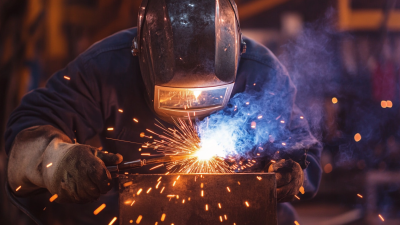
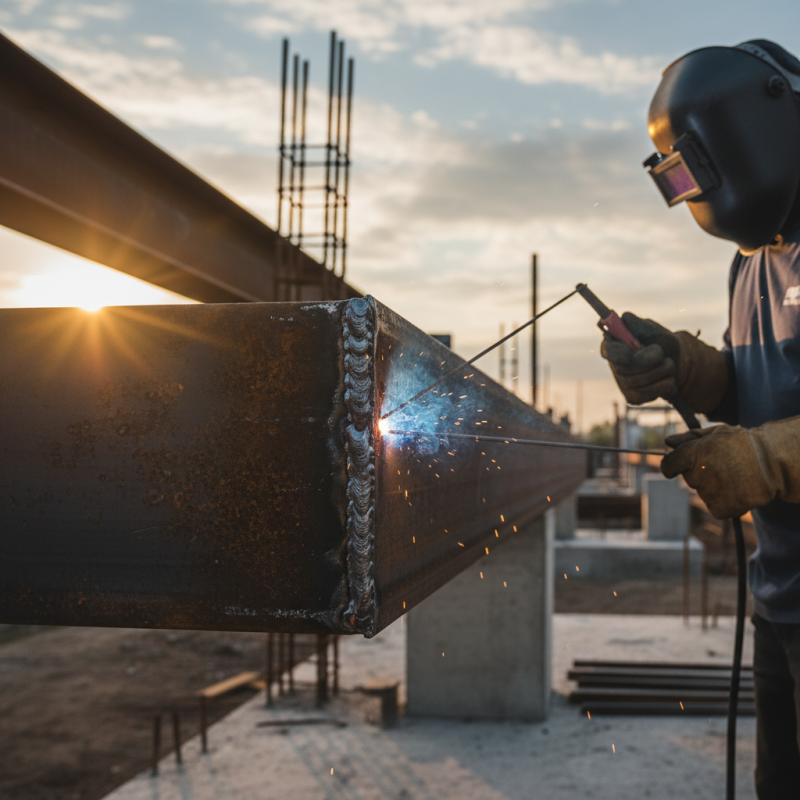
Stick welding, also known as shielded metal arc welding (SMAW), is a vital technique in many projects. It involves using a consumable electrode to generate heat. This heat melts both the electrode and the base metal, creating a strong bond. Stick welding is popular in construction, repair work, and even art. The versatility of this method makes it essential.
One important aspect of stick welding is its adaptability to different environments. You can use it outdoors and in various weather conditions. However, beginners often struggle with maintaining an even arc length. This leads to inconsistent welds. Practice is key here. Each mistake is a learning opportunity. Adjusting your technique can dramatically improve your results.
The applications of stick welding are diverse. It works well on thicker materials, making it ideal for steel fabrication. You can also use stick welding on construction sites to join heavy equipment. Many welders appreciate the portability of stick welding. You don’t need bulky equipment to get started. However, mastering this technique requires time and effort. Continuous practice helps build confidence and skill.
Key Advantages of Stick Welding in Project Execution
Stick welding is a versatile technique that brings several advantages to project execution. One key benefit is its simplicity. You don’t need complex equipment. A power source and a welding rod are enough. This makes it accessible for various skill levels. Many people can learn to stick weld quickly, even with minimal training.
Another advantage lies in the ability to work in different environments. Stick welding is effective in outdoor settings and adverse weather. Wind and rain don’t significantly affect the welding process. However, this convenience can sometimes lead to hasty work. It’s easy to rush, thinking the project will be quicker. But rushing can lead to poor weld quality, which requires careful monitoring.
Stick welding also offers strong penetration. The welds often bond well with thick materials. Yet, this strength comes with a caveat. A skilled welder knows how to control the heat input. Otherwise, the weld can become uneven or cause warping. It's crucial to find the right balance. In essence, while stick welding has many advantages, it requires attention to detail for successful outcomes.
Why Are Stick Welding Welds Important for Your Projects? - Key Advantages of Stick Welding in Project Execution
| Advantage |
Description |
Project Suitability |
| Versatility |
Can be used on various materials like steel, stainless steel, and cast iron. |
Suitable for construction, maintenance, and repair projects. |
| Portability |
Equipment is relatively lightweight and easy to transport. |
Ideal for fieldwork and remote locations. |
| Cost-Effectiveness |
Lower equipment and operational costs compared to other welding processes. |
Great for budget-conscious projects. |
| Ease of Use |
Simpler techniques allow for quicker learning and adaptability. |
Good for both beginners and experienced welders. |
| Excellent Weld Quality |
Produces strong, durable welds that can withstand harsh conditions. |
Suitable for high-stress applications. |
Common Challenges in Stick Welding and Solutions
Stick welding, also known as shielded metal arc welding (SMAW), presents unique challenges that many welders face. One common issue is the tendency for welds to become porous. This occurs when contaminants such as moisture, grease, or rust are present on the base metal. According to a report by the American Welding Society, approximately 30% of weld failures are attributed to improper surface preparation. Ensuring cleanliness can significantly impact the quality of the weld, but it often gets overlooked.
Another challenge is maintaining a consistent arc length. When the distance between the electrode and the workpiece varies, it affects the heat input and results in poor fusion. This can lead to weak joints that may fail under stress. Studies indicate that improper arc length can contribute to up to 20% of welding defects. Practicing steady movement and careful control of the arc length can alleviate this problem, though many welders struggle to achieve this consistently.
Lastly, slag inclusion is a frequent issue in stick welding. This occurs when slag from the weld pool gets trapped in the weld bead. It's often a result of improper technique or insufficient electrode angle. Reports show that this issue can reduce the overall strength of a weld by up to 15%. A better understanding of electrode angles and proper technique can help reduce these occurrences, but consistent execution remains a challenge for many welders.
Evaluating the Quality of Stick Welding Welds
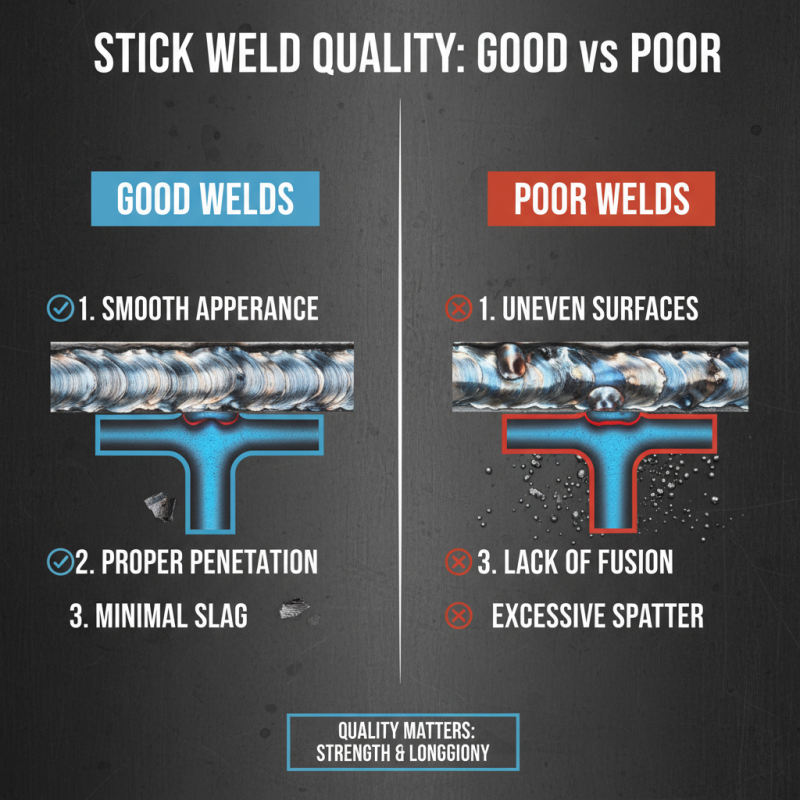
Stick welding is popular for its simplicity and effectiveness. However, not all stick welds are created equal. Evaluating the quality of these welds can make a significant difference in the longevity and strength of your projects. A good weld should have a smooth appearance, proper penetration, and minimal slag. On the other hand, poor welds may show uneven surfaces, lack of fusion, or excessive spatter. These flaws can weaken the structure, leading to potential failures.
When assessing your welds, pay close attention to the size and shape. A uniform bead is a sign of good technique. If you notice inconsistencies, take a moment to reflect. What could have gone wrong during your application? This evaluation process is crucial for improvement. Don't rush. Take your time and enjoy the learning experience.
**Tips to Improve Your Weld Quality:**
Check your travel speed. Too fast can create weak points. Clean the base material before welding to eliminate contaminants. If you find slag build-up, remove it carefully. Practice on scrap metal to build confidence. Each of these steps contributes to better overall weld quality.
Best Practices for Ensuring Strong Stick Welding Joints
Stick welding is a widely used technique in various projects, known for its versatility and effectiveness. To ensure strong joints, one must follow best practices. Proper cleanliness of the surfaces is crucial. Any dirt, rust, or moisture can weaken the weld. Take the time to clean the metals thoroughly before starting.
Adjusting the welding parameters is equally important. The correct amperage and electrode size can greatly influence the quality of the weld. It helps to practice on scrap pieces to find the right settings. Many beginners overlook this step, leading to inconsistent joints. Don't be afraid to experiment and learn from mistakes as well.
Maintaining a steady hand during the welding process is essential for good penetration. A shaky or rushed movement can lead to weak spots. Focus on a consistent speed and angle. Remember, even small inconsistencies can impact the overall strength of the weld. Reflecting on past welds can highlight areas for improvement.
Importance of Stick Welding Quality in Projects
 WeChat Online Service