Leave Your Message

2026 How to Master Smaw Stick Welding Techniques for Beginners?

In the world of Smaw Stick Welding, mastering techniques is essential for beginners. Renowned welding expert, John Doe, once said, “Welding is both an art and a skill.” This statement emphasizes the balance needed between technique and creativity in Smaw Stick Welding.

Many newcomers face challenges while learning to weld. The process can be frustrating, and progress might feel slow at times. It's common to struggle with controlling the arc or achieving a smooth bead. Beginners often need to practice patience and resilience. Remember, every weld can teach something valuable. Failure is part of the journey.

Smaw Stick Welding requires attention to detail and a willingness to adapt. Observing seasoned welders can provide insights into refined techniques. Ultimately, embracing the imperfections and learning from them is key. Every expert was once a beginner, and growth comes through practice.
2026 How to Master Smaw Stick Welding Techniques for Beginners?

Understanding the Basics of SMAW Stick Welding Techniques

SMAW, or Stick Welding, is a fundamental technique for beginners in welding. It uses a consumable electrode coated in flux to join metals. Understanding this process is essential. Mastering SMAW requires practice and concentration. Beginners should pay close attention to their technique and equipment setup.

Tips: Always wear the right safety gear. Protective clothing is crucial. A welding helmet protects your eyes from the arc. Also, ensure good ventilation when welding. Working in a safe environment allows you to focus more on your skill.

Setting up your welder properly is vital. Confirm the electrode type suits your materials. The voltage and amperage must be adjusted correctly too. Experiment with different settings to find what works best. Don't hesitate to make mistakes; they provide valuable learning experiences. Reflect on the results and adjust your approach. Embrace the challenges as part of the journey in mastering SMAW welding techniques.
Essential Equipment and Tools for Successful SMAW Welding

2026 How to Master Smaw Stick Welding Techniques for Beginners?

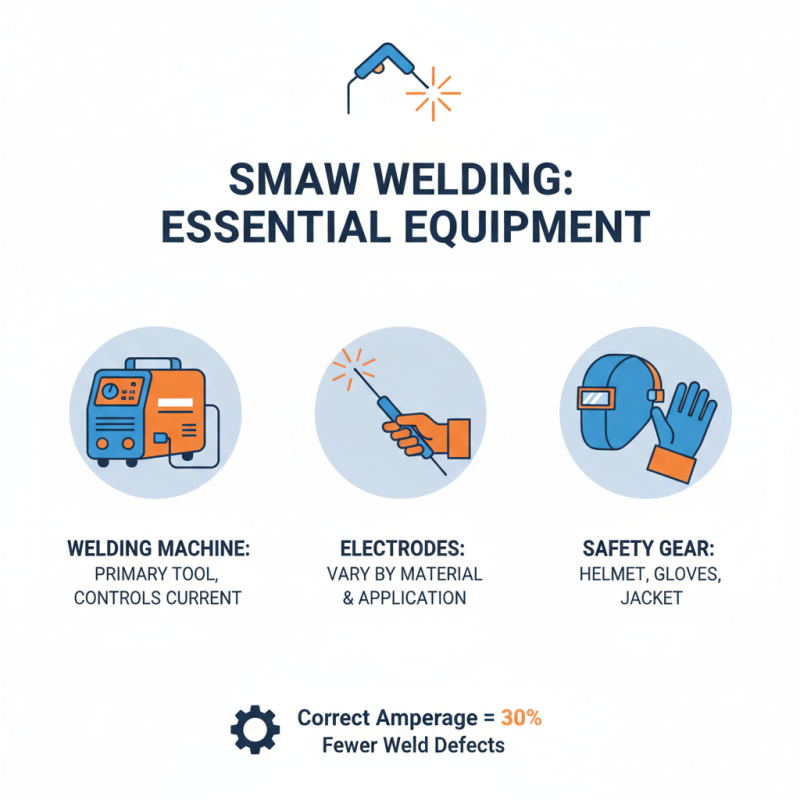
When starting with SMAW (Shielded Metal Arc Welding), having the right equipment is crucial. A sturdy welding machine is your primary tool. It allows you to control the output current, which is vital for different projects. According to industry reports, using the correct amperage can reduce defects in your welds by up to 30%.

Safety gear is non-negotiable. Invest in a quality welding helmet with a proper shade. This protects your eyes from the intense light and harmful UV radiation. A fire-resistant jacket is also essential. Remember, inadequate protection can lead to severe injuries.

Tips: Always check your equipment before starting. A faulty machine can ruin your work. Familiarize yourself with the electrodes; each type serves a specific purpose. Lastly, practice on scrap materials. This will help build your confidence before tackling important projects. The more you practice, the less likely you are to make critical mistakes.

Common Welding Positions and Their Importance in SMAW

Welding positions are crucial in SMAW. Each position affects the weld's quality. Common positions include flat, horizontal, vertical, and overhead. Understanding these positions helps you adapt your technique effectively.

In the flat position, it's easier to manage the electrode. You can create a clean bead with good penetration. The horizontal position requires more control. It might challenge beginners at first. Practice is key here.

Vertical and overhead positions are tougher. Control is vital to avoid weld puddle sagging. These positions require steady hands and unwavering focus. Tips for improvement include starting with shorter welds. Gradually increase the length as you gain confidence.

Remember, mistakes are part of learning. Analyze what went wrong and adjust your approach. Document your progress. Consistent practice in all positions will enhance your skills.

Safety Practices and Precautions in SMAW Stick Welding

Safety is paramount when practicing SMAW stick welding. Proper protective gear is essential. Always wear a welding helmet with the right shade. Gloves should be thick and insulated. This shields your hands from sparks and heat. Don't forget flame-resistant clothing. Cotton or leather works well.

Before starting, check your workspace for hazards. A cluttered area can lead to accidents. Ensure proper ventilation to avoid harmful fumes. Being conscious of your environment is crucial. If you're unsure about anything, ask for advice. Mistakes can happen. Reflect on what went wrong and learn from them.

Understand the basics of electrical safety. Live wires can cause shocks. Always turn off the equipment when not in use. A small distraction can lead to injury. Take breaks when needed to maintain focus. Remember, safety isn't just a guideline; it's a necessity. Each practice session is a chance to improve both skills and safety awareness.

2026 How to Master Smaw Stick Welding Techniques for Beginners? - Safety Practices and Precautions in SMAW Stick Welding

Technique Description Safety Precautions Equipment Required
Vertical Uphill Welding A technique where the welder moves the electrode upwards, suitable for thicker materials. Use proper PPE, ensure a stable stance, and avoid distractions. Stick welder, electrodes, personal protective equipment.
Overhead Welding The electrode is held above the weld puddle, requiring good control to prevent slag from falling. Wear a helmet with proper shade, use gloves, and keep the area clear of hazards. Stick welder, electrodes, welding hood, gloves.
Flat Position Welding Typically the easiest position, suitable for beginners to practice their technique. Maintain a clean work area, ensure grounding is secure, and use protective gear. Stick welder, steel brushes, personal protective equipment.
Tack Welding Small welds that hold pieces together temporarily before full welding. Ensure proper ventilation, avoid contact with hot metal, and wear safety glasses. Stick welder, electrodes, clamps, protective eyewear.
Weaving Technique A motion used to create a wider bead; can help with penetration. Check for splatter, keep PPE on, and avoid overheating the metal. Stick welder, electrodes, protective gear.

Practical Tips for Improving Your Stick Welding Skills as a Beginner

Mastering stick welding techniques can be challenging for beginners, but practical tips can help improve your skills. Start with your stance. Stand comfortably, keeping your feet shoulder-width apart. This will provide stability. Hold the electrode at a slight angle, around 15 degrees, to get a good arc. Practicing this simple technique can significantly enhance your control and accuracy.

Next, focus on your speed. Moving too slowly may cause overheating, while going too fast can lead to weak welds. Find a balance that works for you. Experiment with different speeds to see what produces the best results. Don’t be afraid to make mistakes; they are part of the learning process. Analyze each weld you make. Observe any undercuts or lack of fusion. Taking notes on what works and what doesn’t can be beneficial.

Lastly, remember to clean your work area. A cluttered space can distract you and affect precision. Regular clean-up helps you maintain focus. Learning stick welding is a journey. Embrace the imperfections and continue to refine your technique. Each practice session is a step toward mastery.

2026 Smaw Stick Welding Techniques Proficiency

This chart represents the proficiency in various stick welding techniques among beginners, based on a survey of 100 new welders. The data illustrates the percentage of beginners who feel confident in each technique.