How to Master Stainless Steel Welding Techniques and Tips?
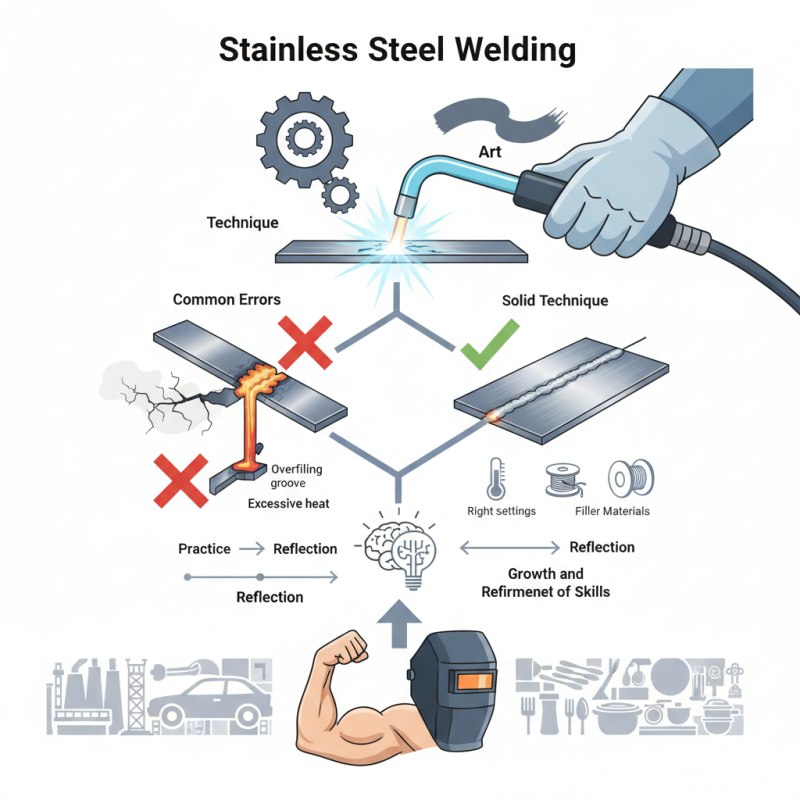
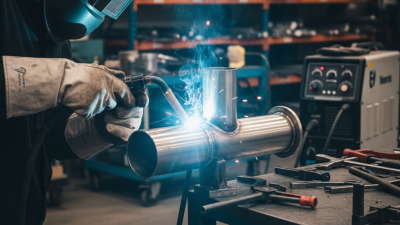
Stainless Steel Welding is a skill that combines art and technique. Mastering this craft opens doors in various industries, from construction to automotive. However, achieving proficiency requires practice and an understanding of the material's unique properties.
Many welders struggle with stainless steel due to its high thermal conductivity and sensitivity to heat. It's easy to make mistakes, whether overfilling a groove or creating excessive heat. These common errors can lead to defects and costly rework. Yet, with focus and reflection, welders can learn from these experiences.
Developing a solid technique in stainless steel welding takes time. Finding the right settings and filler materials is crucial. Whether you're a novice or an experienced welder, there is always room for improvement. Embracing the challenges will help you grow and refine your skills.
Understanding Stainless Steel: Properties and Applications
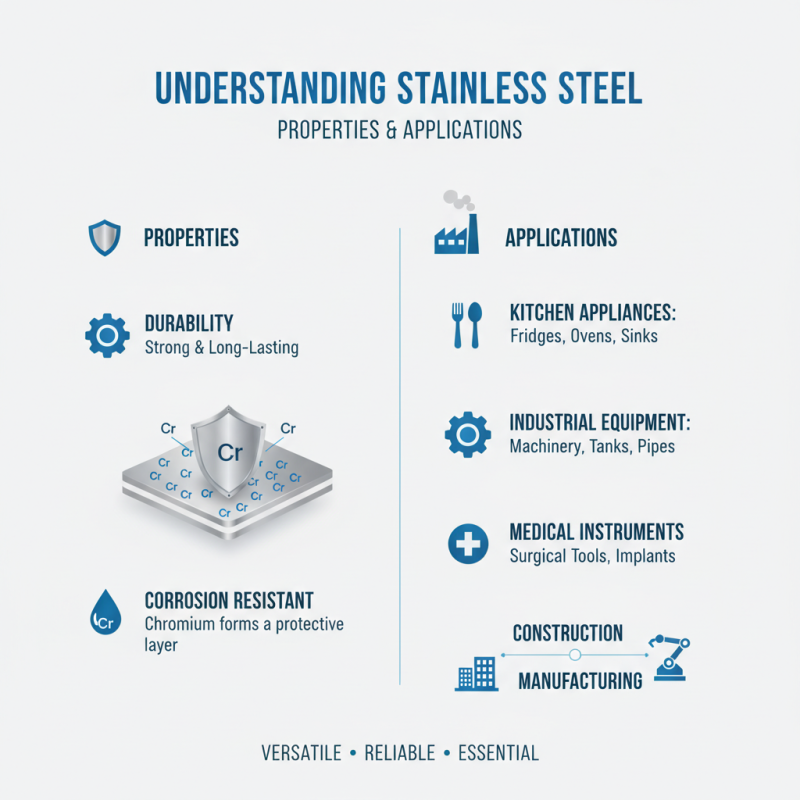
Stainless steel is renowned for its durability and resistance to corrosion. This unique metal contains chromium, which forms a protective layer on its surface. This layer makes stainless steel ideal for various applications. You can find it in kitchen appliances, industrial equipment, and even medical instruments. The versatility of stainless steel makes it a popular choice in construction and manufacturing.
However, welding stainless steel can be challenging. The properties of this metal lead to issues like warping and thermal expansion. Understanding the proper techniques is crucial for achieving strong joints. For example, controlling your heat input is essential. Too much heat can compromise the material’s integrity. Also, cleanliness matters. Any contamination can affect the weld quality. Reflecting on past projects can help you improve your technique.
Experienced welders often note that patience is key. Rushing through a project may lead to mistakes and rework. Each piece of stainless steel may behave differently. A seasoned welder remembers to adapt to those variations. It takes practice to master stainless steel welding. Each attempt can teach valuable lessons. Embracing imperfections can lead to better craftsmanship over time.
Essential Tools and Equipment for Stainless Steel Welding
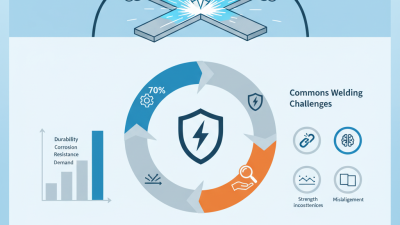
Welding stainless steel requires specific tools and equipment to ensure quality and efficiency. Essential tools include a welding machine, protective gear, and various types of electrodes. A multi-process welding machine is often preferred for its versatility. Industry reports indicate that 70% of successful welders prioritize their equipment quality to enhance performance.
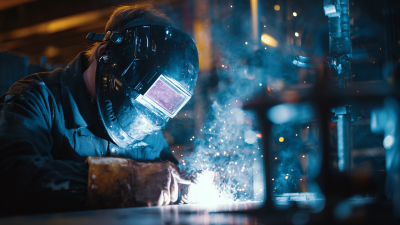
Personal protective equipment (PPE) is crucial. Welders must use gloves, helmets, and aprons designed for high-temperature work. Reports show that 35% of welding injuries are due to inadequate protective measures. This highlights the importance of investing in reliable PPE to keep safe while working.
Choosing the right filler material is also vital. Stainless steel requires specific filler rods or wires for effective bonding. An incorrect choice can lead to structural weaknesses. Some estimates suggest that a significant portion of structural failures originates from improper welding techniques and material decisions. It's essential to reflect on these aspects to improve outcomes in stainless steel projects.
Stainless Steel Welding Techniques: Skill Mastery Data
Common Welding Methods for Stainless Steel: Pros and Cons
Welding stainless steel requires understanding various methods. Each method has its own advantages and challenges. TIG welding, for example, is known for precision. It produces clean and strong welds. However, it demands high skill levels and can be slow for large projects.
MIG welding is another popular technique. This method is faster and easier for beginners. It works well for thicker materials but may not offer the same finesse as TIG. Some welders may find that controlling heat is tricky with MIG. This can lead to burn-through, especially in thin sheets.
Stick welding presents a different set of pros and cons. It's versatile and can be used outdoors. Yet, it often results in a rougher finish. Cleanliness becomes an issue too. Regardless of the method, practicing consistently helps improve skills. Each technique has its unique learning curve. Experimenting with various approaches will ultimately lead to better results and greater confidence.
Tips for Ensuring Strong and Durable Welds in Stainless Steel
Mastering stainless steel welding requires careful attention to detail. When welding, ensuring strong and durable joints is crucial. The right techniques can make a significant difference in the quality of your work. It’s not just about following steps, but understanding the materials and the process.
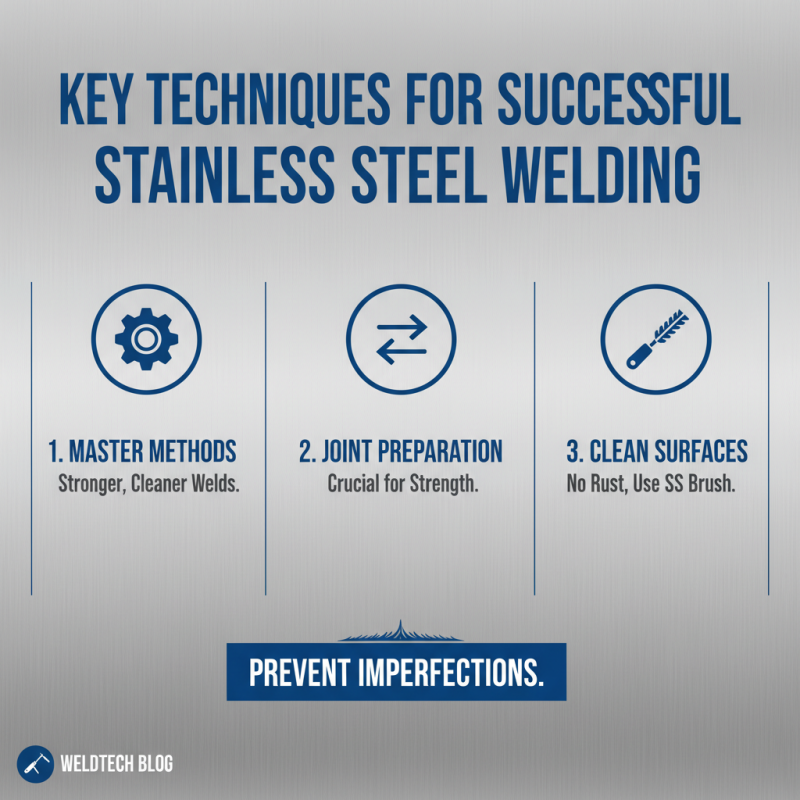
One tip is maintaining a clean working area. Contaminants can compromise weld quality. Take time to clean the stainless steel surfaces before you start welding. Rust, dirt, or grease can lead to weak welds. Another important detail is heating your work properly. Too much heat warps the material, while too little may cause the weld to be brittle. Striking a balance is key.
Always choose the right filler material. Using incompatible materials can lead to issues down the line. Pay attention to the thickness of the materials being welded. It’s also wise to practice your technique on scrap pieces. This helps identify flaws and areas needing improvement. Mistakes are valuable learning opportunities. Don't ignore them; adjust your approach based on what you discover.
How to Master Stainless Steel Welding Techniques and Tips
| Technique |
Description |
Tip |
| MIG Welding |
A process that uses a continuous wire feed as an electrode to create a weld. |
Choose the correct wire size and type for better feed and weld quality. |
| TIG Welding |
Uses a non-consumable tungsten electrode to produce the weld. |
Control the heat input to prevent warping and maintain integrity. |
| Stick Welding |
An arc welding process using an electrode coated in flux to lay the weld. |
Ensure the surface is clean to improve the quality and adhesion of the weld. |
| Spot Welding |
Creates a weld at a specific location by applying pressure and heat. |
Use the right electrode geometry for maximum heat transfer. |
| Laser Welding |
Employs a focused laser beam to melt and join materials. |
Maintain consistent speed and focus for uniform weld seams. |

 WeChat Online Service