Top 10 Reasons Your Stick Welder is Sticking Fix It Fast?
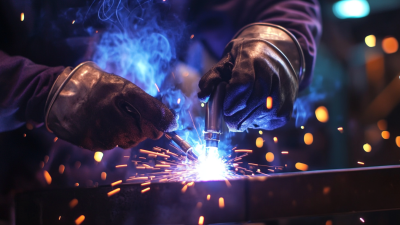
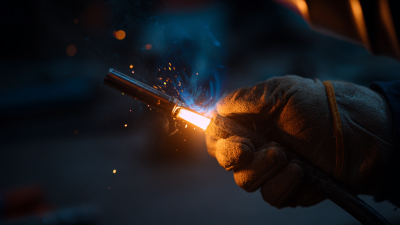
A reliable stick welder is essential for many welding tasks. However, users often face the frustrating issue of their "stick welder sticking." This problem can hinder your progress and affect the quality of your work. Understanding the reasons behind a stick welder sticking is crucial.
Several factors contribute to this issue. It could be improper technique, insufficient amperage, or the wrong electrode. Each case requires a keen eye for detail. Additionally, checking equipment condition adds another layer of complexity. Many welders overlook simple maintenance steps that can prevent their stick welder from sticking.
Finding solutions is vital for efficiency. Identifying the root cause is not always straightforward. Welders need to reflect on their practices and adjust as needed. By exploring the common reasons and troubleshooting tips, welders can mitigate the sticking issue and improve their skills.
Identifying Common Causes of Electrode Sticking in Stick Welding
Electrode sticking is a common problem in stick welding. Several factors can contribute to this issue. Understanding these causes is vital for effective welding.
One reason for electrode sticking is incorrect amperage settings. If the current is too high, the electrode can melt too quickly. Conversely, too low of an amperage may not create a strong enough arc. Another significant factor is improper electrode angle. Maintaining a 15 to 20-degree angle keeps the arc stable. A change in angle can lead to erratic behavior.
Moisture is another culprit. Despite a seemingly perfect environment, humidity can affect electrodes. Using damp electrodes increases the risk of sticking. Always ensure your electrodes are dry. Additionally, try using electrodes that are appropriate for the base material. Using the wrong type can hinder performance and cause frustration. Reflecting on these common issues will help improve your welding experience.
Understanding Correct Electrode and Material Compatibility
Understanding electrode and material compatibility is crucial in stick welding. Using the wrong electrode can lead to issues like poor weld integrity. Every electrode type has a specific purpose and material it works best with. For instance, a mild steel electrode might not bond effectively with stainless steel. Matching your electrode to the base material ensures stronger and cleaner welds.
Many welders overlook the importance of this compatibility. This oversight can cause frustration, especially when the electrode keeps sticking. It might seem like a technical problem, but often it stems from using an inappropriate electrode. Testing different electrodes on scrap pieces helps identify the best match. Remember, experience plays a significant role in perfecting this skill.
Investing time to understand which electrode works with which material is essential. Beyond just the basics, consider how the electrode's coating affects its performance. A thick coating may work for some projects but hinder others. Reflect on your previous welding experiences to improve your technique. It’s essential to keep experimenting and learning for lasting results.
Essential Techniques for Proper Arc Maintenance and Control
Proper arc maintenance is critical for stick welding success. A stable arc ensures quality welds and reduces issues like sticking. Begin by checking your electrode choice and polarity. Use the correct electrode for your base material. An inappropriate match can lead to a weak arc and excessive sticking.
Controlling your travel speed is equally important. If you move too quickly, the weld pool may not form properly. Too slow can cause excess heat, leading to sticking. Adjust your technique based on the metal thickness and position. Practice is key; refine your skills with different settings.
Lastly, keep your equipment clean. Dirty connectors and fittings can disrupt the arc. Regular maintenance can prevent these issues. Inspect cables and connections frequently. If problems persist, consider professional advice. Reflecting on your techniques can greatly improve your performance.
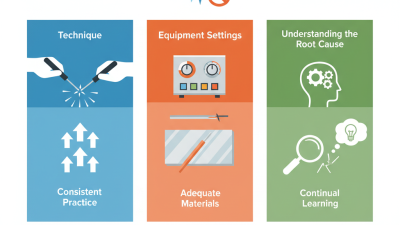
Top 10 Reasons Your Stick Welder is Sticking
Adjusting Welding Parameters for Optimal Performance
An effective stick welder relies heavily on the right parameters. If your welder is sticking, it's time to fine-tune the settings. Adjust the amperage to match the material thickness. For thin materials, lower settings work better. On the other hand, thicker materials demand higher amperage for proper penetration.
The voltage is equally critical. A lower voltage can cause the electrode to stick, making it challenging to maintain an arc. On the flip side, too high a voltage can lead to excessive spatter. Finding the sweet spot takes practice and careful observation. It’s a process of trial and error; don’t hesitate to make small adjustments.
Another factor to consider is the electrode angle. A wrong angle may lead to inconsistent welds or sticking issues. It’s essential to maintain the correct angle based on the weld position. Practice the technique, and take notes on what works best. Reflecting on your choices will improve your skills over time. This journey requires patience and a willingness to learn from mistakes.
Preventative Measures to Minimize Future Sticking Issues
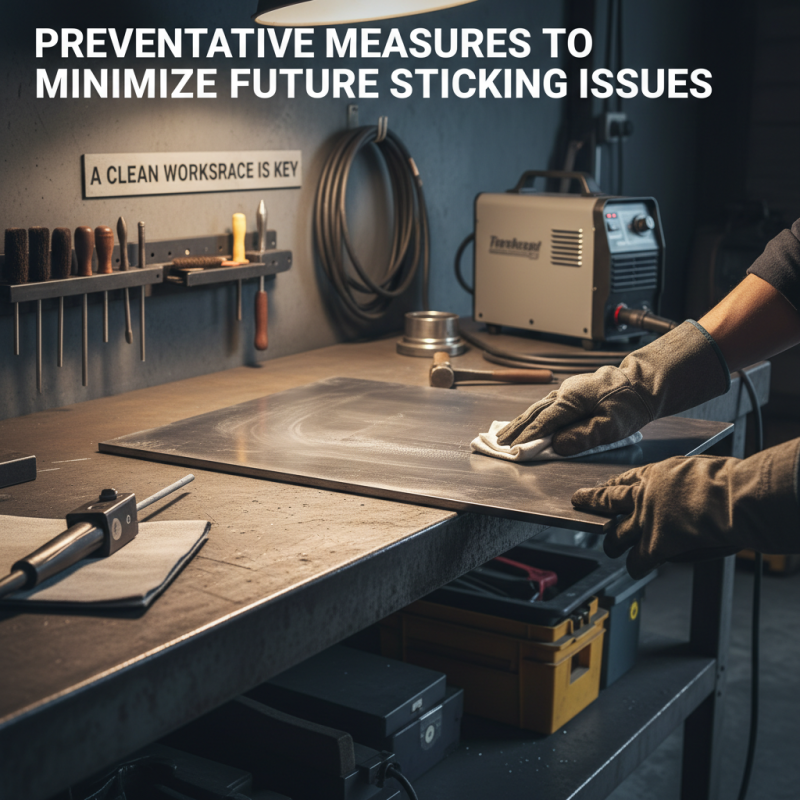
Sticking issues with your stick welder can be frustrating. To minimize these problems, focus on a few key preventative measures. First, maintain a clean workspace. Remove any debris, rust, or contaminants from the metal. These impurities can cause arc instability, leading to sticking. A simple wipe with a cloth can make a significant difference.
Next, check your electrode condition regularly. Old or damaged electrodes can create improper arcs. Ensure the flux coating remains intact and free from moisture. Store electrodes in a dry place, as humidity can lead to stickiness. Adjusting your welding technique can also help. Maintain the right angle and distance from the workpiece. Experiment with different speeds to find your optimal settings.
Consider using different types of electrodes for specific jobs. Some are better suited for certain materials. Don't hesitate to reflect on your experiences. If problems persist, take notes on what works and what doesn't. This can provide insights into your welding process and help you improve. Making small adjustments can lead to significant results.

 WeChat Online Service