How to Use Smaw Stick Welding for Efficient Metal Fabrication?
In the realm of metal fabrication, Smaw Stick Welding stands out for its versatility and effectiveness. As highlighted in industry reports, nearly 40% of metal structures worldwide employ manual welding techniques, primarily Smaw. This method excels in outdoor settings, often proving more efficient than others, especially in challenging environments.
According to industry expert John Smith, “Smaw Stick Welding can adapt to various conditions, but requires skilled hands for best results.” These insights emphasize the balance between efficiency and expertise. However, challenges remain. The skill gap among welders can affect overall quality. Additionally, while Smaw offers cost benefits, it demands rigorous training and practice to master.
With advancements in technology, the 2026 Canton Fair introduces tools like AI-driven solutions to enhance manufacturing processes. These innovations could benefit Smaw practitioners by providing real-time data for better decision-making. Yet, as the industry evolves, reflecting on current practices is vital. The potential for improvement in Smaw Stick Welding is significant, warranting ongoing education and adaptation.
The Basics of SMAW Stick Welding and Its Role in Metal Fabrication
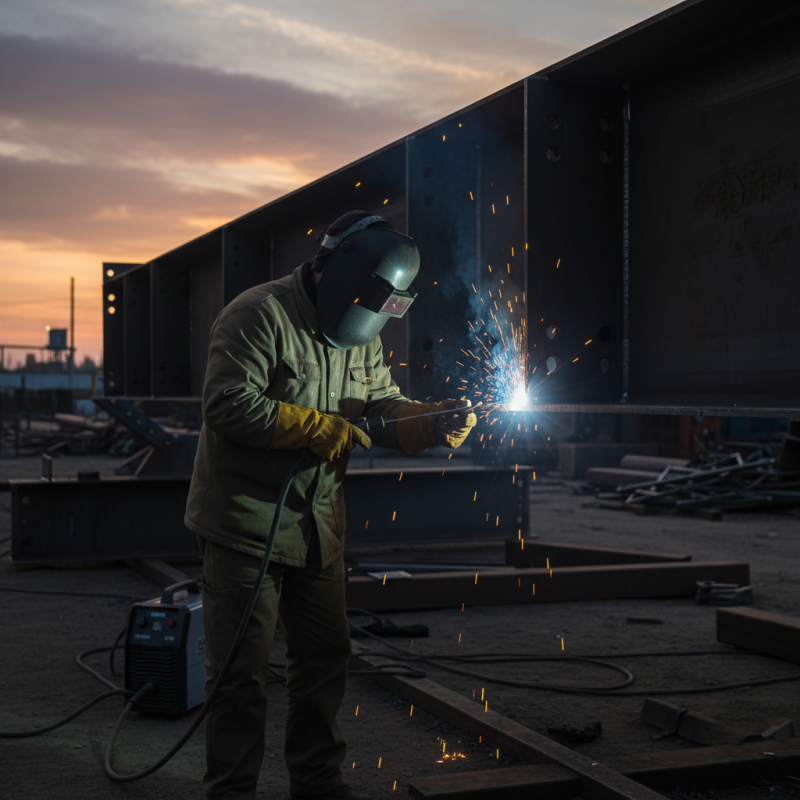
SMAW, or Shielded Metal Arc Welding, is a widely used process in metal fabrication. It involves using an electrode coated in flux to create a strong weld. This method is particularly favored for its simplicity and versatility. The equipment is portable, making it ideal for various project sizes, from small repairs to large constructions.
Many beginners struggle with controlling the speed of their welding. Inconsistent movement can lead to weak joints. A steady hand and proper technique are critical. Watching for puddle formation helps in achieving a uniform weld. Practice is essential, as it builds both skill and confidence.
Understanding the importance of safety gear cannot be overlooked. Proper ventilation and protective equipment are vital. Welders often neglect these aspects, putting themselves at risk. A small lapse in attention can lead to serious injuries. Taking time to set up a safe working environment pays off in the long run.
Essential Equipment and Safety Precautions for SMAW Welding
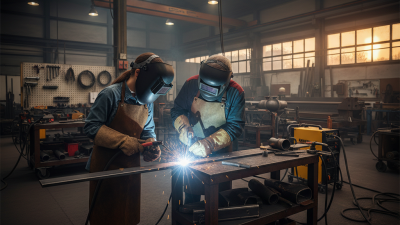
When engaging in SMAW stick welding, safety is paramount. Proper personal protective equipment (PPE) is essential. Wear a welding helmet with a dark lens to protect your eyes from bright arcs. Gloves should be flame-resistant to avoid burns. Long sleeves and pants made of durable materials provide additional protection. Don’t overlook sturdy boots either; they can shield your feet from heavy equipment or metal debris.
The work area must be clear and well-ventilated. This is often overlooked, but it’s crucial. Fumes can accumulate quickly. If possible, work outdoors or in a space with good airflow. Keep flammable materials away from the welding zone. Sparks can ignite items like paper or wood, causing serious hazards. It’s a reminder that preparation saves lives.
Checking equipment before starting is also necessary. Inspect cables for any signs of wear or damage. Make sure the welding machine is functioning properly. A faulty machine can lead to accidents or poor welds. Reflecting on past mistakes is vital; learn from any mishaps. Everyone has a story of a near miss. It reminds us that taking shortcuts in safety is never wise.
How to Use Smaw Stick Welding for Efficient Metal Fabrication?
| Equipment |
Description |
Safety Precautions |
| SMAW Welder |
A device that provides the electric current needed for stick welding. |
Ensure proper grounding to prevent shocks. |
| Welding Electrodes |
Metal rods coated with flux, which melt to create a weld pool. |
Store in a dry place to prevent moisture uptake. |
| Protective Gear |
Includes welding helmets, gloves, and aprons to protect against sparks. |
Always wear PPE when welding to prevent burns and injuries. |
| Fume Extractor |
A device to remove fumes and gases produced during welding. |
Ensure proper ventilation to avoid inhalation of harmful fumes. |
| Fire Extinguisher |
An equipment used to extinguish fires quickly and effectively. |
Keep a fire extinguisher within reach when welding. |
Techniques for Achieving High Efficiency in Stick Welding
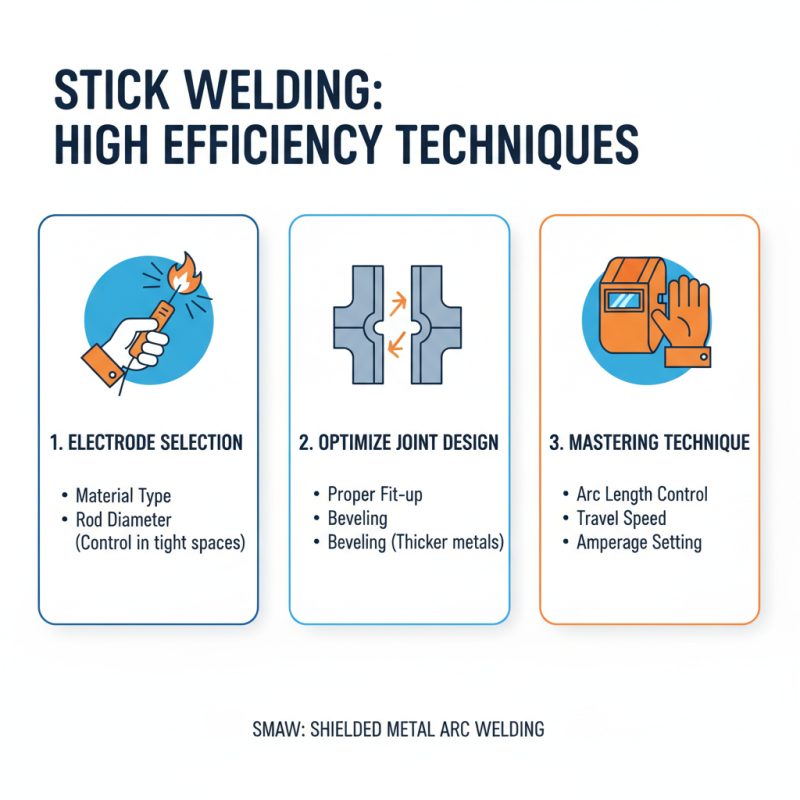
Stick welding or SMAW (Shielded Metal Arc Welding) is a versatile technique used in metal fabrication. To achieve high efficiency in stick welding, several techniques can be employed. Start by selecting the right electrode for your material. Different metals require specific filler rods to ensure a strong bond. Pay attention to the rod diameter; a smaller diameter is easier to control in tight spaces.
Maintaining a steady arc length is crucial. If the arc length fluctuates, it can lead to inconsistent welds. Aim for a length that allows for smooth travel and minimal spatter. Additionally, practice your travel speed. If you go too fast, the weld may not penetrate properly. Conversely, moving too slowly can cause burn-through.
Ventilation is essential. Proper airflow helps disperse fumes and keeps the work area safe. Reflect on your setup frequently. Sometime adjustments can enhance effectiveness. Keep a close eye on your technique and be ready to adapt. Mistakes happen—embrace them as learning opportunities. Each weld can teach valuable lessons for future projects.
Quality Control Measures in SMAW: Ensuring Strong Welds and Durability
Quality control in Shielded Metal Arc Welding (SMAW) is essential for ensuring strong and durable welds.
According to industry reports, poorly executed welds can lead to failures in metal structures, resulting in costly repairs.
Studies show that nearly 30% of weld defects occur due to inadequate quality control measures.
Inspecting welds for proper penetration and even bead patterns can prevent these issues.
Regular training of welders on quality standards also plays a critical role.
Moreover, using the right techniques and equipment is vital.
Maintaining the correct arc length and travel speed is crucial for weld integrity.
It's been found that deviations in these parameters can lead to significant weaknesses.
Approximately 20% of weld failures are attributed to improper settings.
Adjusting variables like amperage can also impact weld quality.
Without consistent evaluations, defects often go unnoticed, leading to long-term problems.
Ultimately, thorough inspections, including visual checks and non-destructive testing, help ensure weld durability.
Skipping these steps can invite serious risks.
Examining welds with tools such as ultrasonic testing can reveal hidden flaws that might otherwise be missed.
Every weld must be treated with diligence to meet safety standards.
Investing in quality control does pay off in the long run, ensuring safety and structural integrity.
Comparative Analysis: SMAW vs. Other Welding Methods in Metal Fabrication
When comparing SMAW with other welding methods, efficiency often takes center stage. SMAW, or Shielded Metal Arc Welding, excels in versatility. It works well on thick materials and in various environments. In contrast, MIG welding offers speed and precision, ideal for thin metals. TIG welding provides a clean finish but requires higher skill levels.
Tips: Always consider the metal type. For example, use SMAW for steel and MIG for aluminum. Know your project’s demands before choosing a method. The environment also matters. Outdoor work may favor SMAW due to its resistance to wind.
One downside of SMAW is the slag. It can obscure the weld and requires cleaning post-weld. This adds time to the process. On the other hand, TIG welding produces less slag but demands more focus. Personal skill level could severely affect output quality. Prepare for the learning curve associated with each technique.
 WeChat Online Service