Why Is My Stick Welder Sticking and How to Fix It?
Experiencing a "Stick Welder Sticking" issue can be frustrating for both novices and experienced welders. This problem often arises unexpectedly, disrupting your workflow. Such interruptions can lead to wasted materials and valuable time. Understanding why this happens is crucial for an efficient welding process.
Stick welders can stick due to various factors. These include improper settings, inappropriate electrode type, or environmental conditions. The welding rod may become too hot or stick to the workpiece unexpectedly. Recognizing these issues is vital. It requires observation and sometimes trial and error to identify the root cause.
Reflecting on your own experiences can help. Have you encountered similar problems? Consider the adjustments you made and whether they worked effectively. Learning from these moments can enhance your skill set. Remember, mastering stick welding takes time and patience. Embracing these challenges is part of becoming a more proficient welder.
Understanding the Causes of Stick Welding Sticking Issues
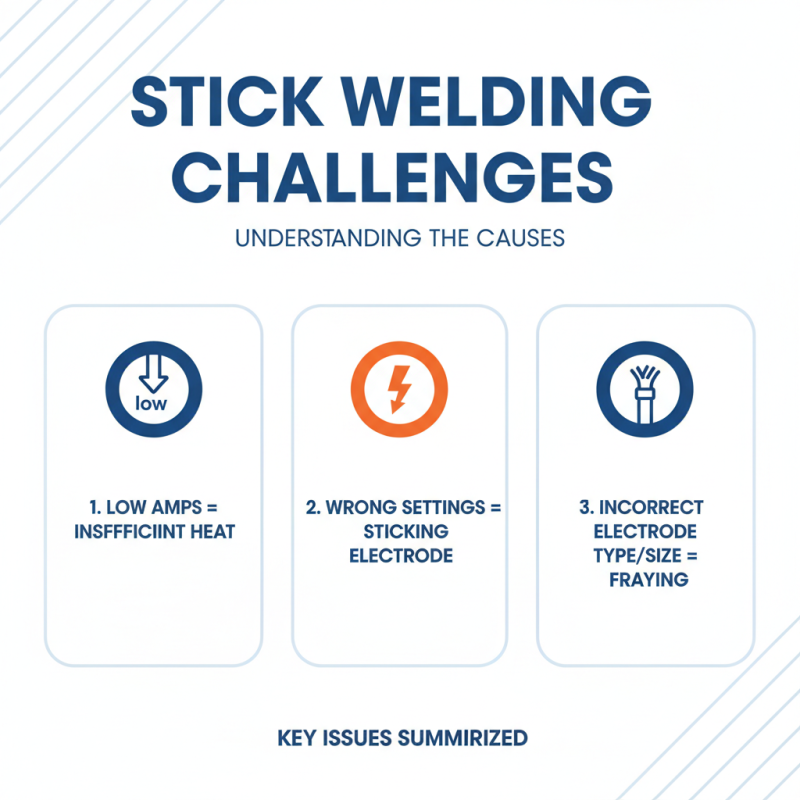
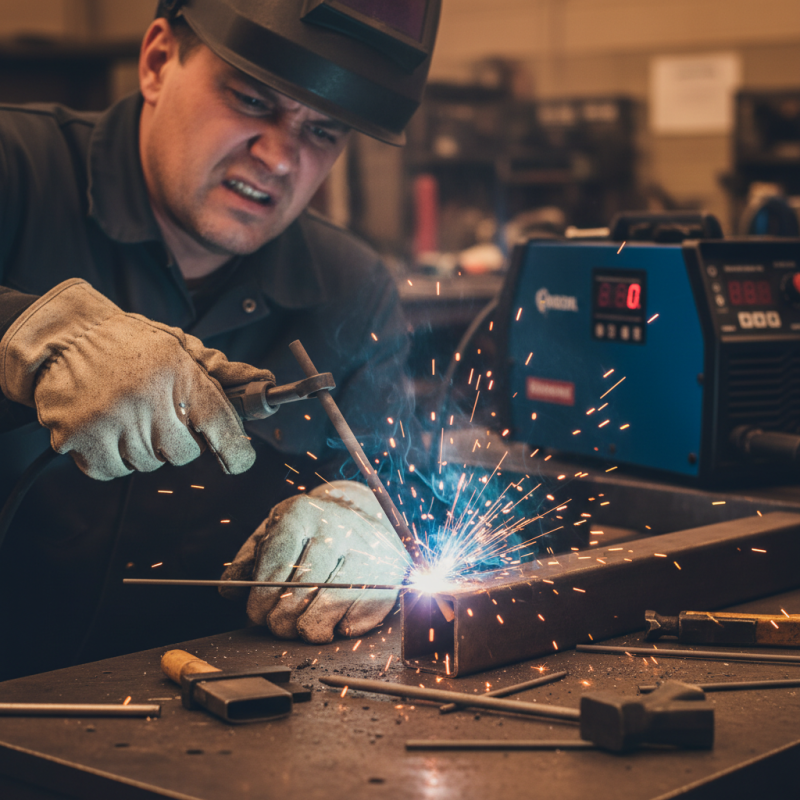
Stick welding can pose challenges, especially when the electrode sticks to the workpiece. This sticking issue often arises from several causes. One common reason is improper settings on the welder. If the amperage is too low, the electrode will not generate enough heat, leading to sticking. Additionally, using the wrong type or size of electrode can also result in fraying issues.
Another prevalent cause is the angle at which you hold the electrode. A steep angle may cause excessive contact with the metal. This can lead to the electrode sticking when too much pressure is applied. Moreover, contaminants on the work surface, such as rust or oil, can affect the weld quality and cause the stick.
Tips: Ensure your electrode is clean before starting. Adjusting your welding technique, such as maintaining a consistent angle, can also help. If sticking continues, consider the environment where you're welding—moisture and temperature can significantly impact performance. Experimenting with different settings and techniques allows for better control. Remember, reflection on past attempts is key to finding effective solutions.
Common Symptoms of a Stick Welder That Is Sticking
When using a stick welder, you might face issues where the electrode sticks to the base metal. This is a common and frustrating problem for welders. Often, the sticking occurs due to improper settings or technique. The welding rod, or electrode, must be the right type for the material. The American Welding Society states that up to 30% of welders experience electrode sticking at some point in their careers.
Another major symptom is excessive spatter or a poor arc. This often indicates a wrong current setting or an unsuitable electrode. A report from the National Institute for Occupational Safety and Health shows that 62% of welders report spatter issues as a major problem. It can lead to additional cleaning and finishing work. If you notice these signs, check your electrode angle. It should be around 15 degrees from vertical for optimal results.
A final symptom to watch for is an inconsistent arc. This can create weak welds. Consult a welding guide or a detailed manual; they often emphasize the importance of maintaining a steady hand and appropriate speed. Poor technique can lead to miserable results and wasted materials. Even experienced welders encounter these hurdles. Reflect on your approach and adjust your methods to enhance your skills.
Step-by-Step Troubleshooting for Sticking in Stick Welders
Sticking in stick welders can be frustrating. It often indicates an issue with the electrode, the welder settings, or the workpiece. When the electrode sticks, it can create poor-quality welds and increase downtime. Understanding the root causes is crucial for effective troubleshooting.
Start by checking the electrode for damage. A warped or worn electrode can lead to sticking. Ensure the diameter matches the metal thickness you’re welding. Next, examine your amperage settings. If they are too high, the electrode will melt too quickly and stick. Adjusting these settings can make a significant difference.
Lastly, evaluate the cleanliness of the workpiece. Rust, paint, or contaminants can cause poor welding quality. Cleaning the surface with a wire brush or grinder can enhance adherence and reduce sticking. Remember, trial and error may be necessary to find the right balance. Keep notes on what works and what doesn’t to refine your process over time.
Preventative Measures to Avoid Stick Welder Issues
When using a stick welder, sticking can cause major frustration. Preventative measures are essential to keeping your welder running smoothly. Ensuring proper electrode selection is vital. Always choose electrodes that match your project’s requirements. This simple step can drastically reduce sticking incidents.
Maintaining the right temperature is another key factor. Too much or too little heat can negatively impact your welding. Monitor your welder settings closely. Pay attention to the type of metal you’re working with. Each metal has its own heating requirements.
Tips:
1. Regularly clean your machine. Dirt and debris can cause performance issues.
2. Keep an eye on your electrode angle. A proper angle can prevent sticking.
3. Always check your work area for any obstructions. A cluttered space can lead to accidents.
By implementing these strategies, you can greatly reduce the chances of your stick welder sticking. Regular practice and attention to detail will enhance your welding experience.
When to Seek Professional Help for Sticking Welders
When your stick welder starts sticking, it can be frustrating and confusing. Taking action quickly is important, but knowing when to seek professional help can save you time and effort. If simple adjustments like changing the electrode or cleaning the work surface don't work, it might be time to consult an expert. Their experience can help diagnose underlying issues more effectively.
Consider the complexity of welders. If you find yourself unsure about the problem, don’t hesitate. Professional welders can offer valuable insights and pinpoint issues that may not be obvious. They have the expertise to troubleshoot the welder’s setup or equipment. If your welder overheats or shows unusual sounds, it's best to stop using it. Continuing to operate it can lead to further damage or safety risks.
Furthermore, if you notice persistent sticking during various welding tasks, that’s a red flag. Avoiding these signs can lead to costly repairs. Trusting professionals not only enhances safety but can also ensure the quality of your work. Remember, sometimes it’s better to call in someone with experience rather than trying to fix everything yourself. Taking a step back can help you maintain a high standard in your welding projects.
 WeChat Online Service