Tig Machine Tips for Beginners How to Get Started?
TIG welding is a highly skilled technique that many beginners aspire to master. Using a TIG machine can be daunting due to its complexity. According to industry reports, more than 70% of new welders struggle to adopt this method effectively. Understanding the fundamentals can lead to success.
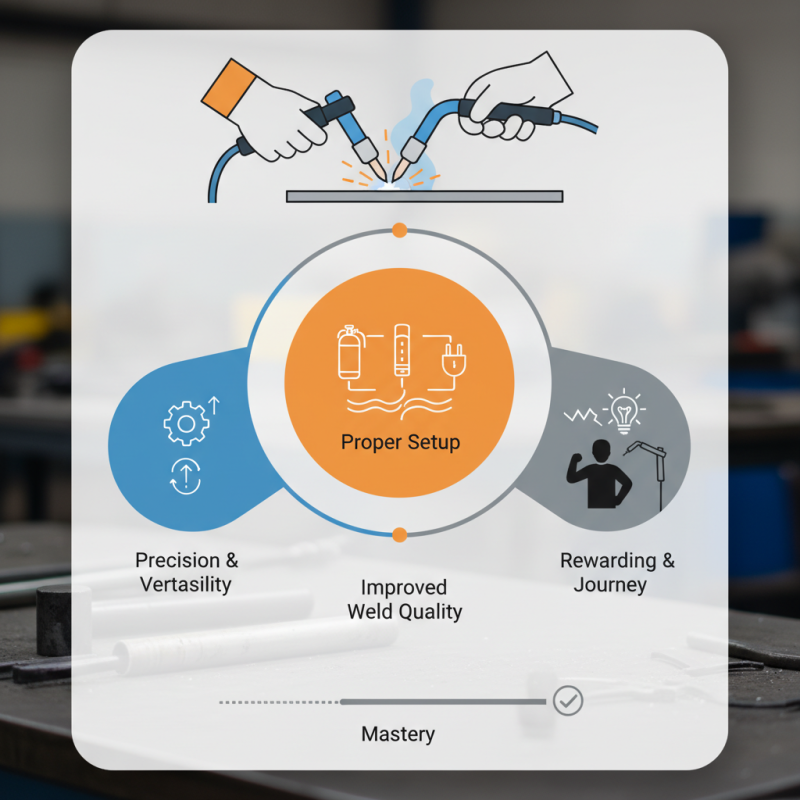
A TIG machine allows for precision and versatility. However, it requires practice to gain proficiency. Beginners often overlook important aspects, such as electrode choice and shielding gas. Studies show that proper setup can improve weld quality by up to 50%. These details are critical for achieving optimal results and avoiding common pitfalls.
Mistakes are part of the learning curve. Many new welders encounter issues like inconsistent heat input or poor material fusion. Recognizing these flaws provides an opportunity for reflection and growth. With dedication and the right knowledge, mastering the TIG machine can become a rewarding journey.
Understanding the Basics of TIG Welding and Its Applications
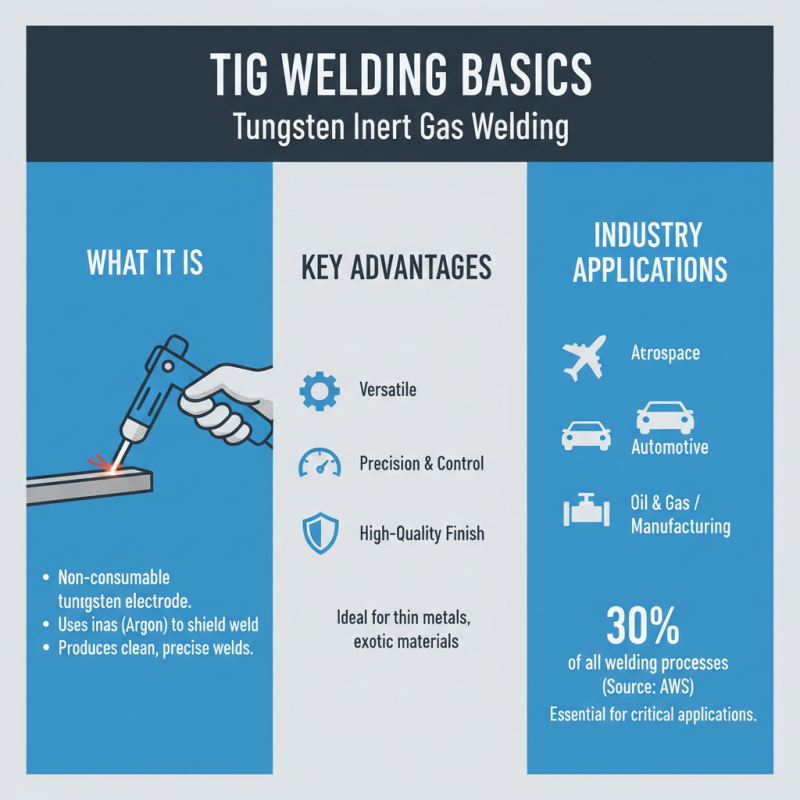
TIG welding, or Tungsten Inert Gas welding, is a versatile method. It is essential for many industries, particularly in aerospace and automotive sectors. According to the American Welding Society, TIG welding accounts for about 30% of all welding processes today. Understanding its basics is crucial.
The process uses a non-consumable tungsten electrode to produce the weld. An inert gas, usually argon, protects the weld area from contamination. This setup enables clean, precise welds, making it ideal for thin materials. The ability to weld different metals adds to its appeal. Reports from engineering journals show that TIG welding's strength-to-weight ratio is superior in many applications.
However, mastering TIG welding takes practice. Many beginners struggle with the balance between heat and speed. A common mistake is applying too much heat, leading to warping. It’s crucial to understand the material you’re working on. Not all errors are avoidable. Reflection on each project helps in improving skills over time. As you delve deeper, remember that learning from mistakes is part of the journey.
Essential Tools and Equipment for TIG Welding Beginners
When starting TIG welding, having the right tools is crucial. A quality TIG welder is non-negotiable. Look for a machine that offers adjustable settings for current and voltage. This allows you greater control over your welding process. Additionally, a foot pedal can enhance precision. Data indicates that 70% of beginners find foot pedals significantly improve their skill levels.
Alongside the welder, it's essential to invest in proper safety gear. A protective helmet with proper lens shade is vital. Ensure your gloves are heat-resistant. The right gear can prevent injuries and improve comfort. Reports show that 45% of injuries in welding stem from inadequate protective equipment.
Another key component is the filler rod. Choose a rod that matches your base metal. Sometimes, this can be a challenging decision for beginners. Each metal requires specific rods. Many beginners take time to understand the differences, leading to mistakes. Practice is essential. Understanding your equipment will ultimately enhance your skills over time.
Setting Up Your TIG Machine: Step-by-Step Guide
Setting up your TIG machine can feel overwhelming at first. However, with a step-by-step guide, you can make the process manageable. Start by finding a stable, dry surface for your machine. Make sure the area is clear of any clutter. It is important to have proper ventilation in your workspace. Poor air quality can impact your welding quality.
Next, connect the power supply. Ensure the machine is turned off during this process. Plug the welding machine into the appropriate electrical outlet. Check the settings for your current needs. It's crucial to select the right amperage for your specific project. Often, beginners may set it too high or too low, leading to mistakes.
Now, connect the gas cylinder. Attach the regulator securely and check for any leaks. This part always requires attention. Ensure hoses are not kinked or damaged. Test the torch before starting the actual work. Adjust the tungsten electrode length if necessary. Remember, practice makes perfect. You will encounter some challenges along the way. Reflect on your first experiences, as they can guide your improvement.
TIG Machine Tips for Beginners - Data Overview
| Aspect |
Description |
Tips |
| Torch Selection |
Choosing the right torch for your TIG machine. |
Select a torch that matches your welding needs and comfort level. |
| Electrode Type |
The type of tungsten electrode used affects the quality of welds. |
Consider using 2% Thoriated tungsten for steel and 1% Lanthanated for aluminum. |
| Gas Selection |
Argon is commonly used for TIG welding. |
Use pure argon for most applications and a mix for stainless steel. |
| Setting Parameters |
Setting the correct amperage and voltage for the material. |
Start with recommended settings and adjust according to material thickness. |
| Welding Technique |
Proper technique is crucial for achieving good weld quality. |
Maintain a steady hand and consistent speed while working. |
| Practice |
Regular practice improves skill and confidence in TIG welding. |
Practice on scrap materials before moving to final projects. |
Techniques for Controlling Heat and Arc Stability in TIG Welding
TIG welding can be daunting for beginners.
Controlling heat is crucial for achieving clean welds.
Too much heat can lead to burn-through, while too little results in weak joints.
Beginners should learn to adjust the amperage based on material thickness.
Starting with thin materials helps develop a feel for the process.
Arc stability is another key area.
A steady arc produces better welds.
Practice maintaining the correct distance between the tungsten and the workpiece.
If the arc flickers or pops, that’s a sign to adjust.
Using a foot pedal can help; it allows for better control of heat without changing your grip.
Mistakes are part of learning. Some welds may not look perfect initially.
That's okay; reflection on what went wrong fosters improvement.
Focus on learning to listen to the sound of the arc.
It speaks volumes about the weld quality.
Keep practicing, and gradually, the stability and control will improve.
Common Mistakes to Avoid as a Beginner in TIG Welding
TIG welding requires precision and practice. Beginners often make common mistakes that can hinder their progress. One significant error is not properly cleaning the metal surfaces before welding. Dirt and rust can create poor-quality welds. Take the time to clean your materials thoroughly.
Another frequent mistake is incorrect torch angle. Holding the torch too steep can lead to excess heat input. This may cause warping or burn-through in thin metals. Aim for a consistent angle of about 15 degrees. Focus on maintaining that angle as you move along the joint.
Many beginners also underestimate the importance of filler rod selection. Using the wrong rod can result in weak joints. Always match the filler material to the base metal. Lastly, don't rush the process. TIG welding requires patience. Mistakes will happen, so reflect on each welding session and learn from them.

 WeChat Online Service