Top 5 Air Plasma Cutting Machines You Need to Know?
In the world of industrial cutting, the "Air Plasma Cutting Machine" stands out. These machines are crucial for various applications, from metal fabrication to artistic designs. According to industry expert Dr. Alan Roberts, "The precision of air plasma cutting machines revolutionizes metalworking." His insights reflect the significant advancements in plasma technology.
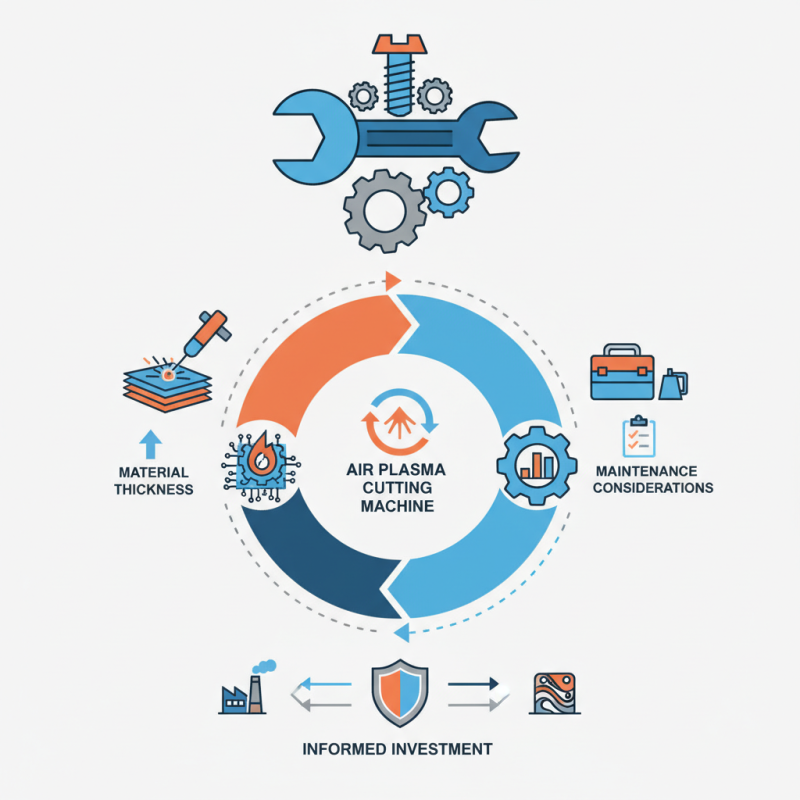
Choosing the right air plasma cutting machine requires understanding the features that matter. Many brands offer different capabilities, so assessing your needs is vital. For instance, consider the thickness of materials you will work with. Some machines are better suited for thicker metal, while others excel in thin sheets. This choice affects performance and efficiency.
The effectiveness of air plasma cutting machines can vary. Users often report mixed experiences based on their chosen model. Some machines deliver exceptional cuts but may require frequent maintenance. Understanding these nuances helps users make informed decisions, ensuring they invest wisely in this essential equipment for their projects.
Understanding Air Plasma Cutting Machines and Their Functionality
Air plasma cutting machines are essential tools in metal fabrication. They use a high-speed jet of ionized gas to melt and cut through metals. This technology is efficient and effective for various materials, including steel and aluminum. Unlike traditional cutting methods, plasma cutting allows for intricate designs and precise cuts.
When working with air plasma cutters, proper setup is crucial. Ensure the machine is connected securely and calibrated correctly. A clean work area enhances performance. Keep work surfaces free of rust and contaminants. Also, consider using an appropriate shield to protect against sparks.
Here’s a tip: Regular maintenance increases the lifespan of your plasma cutter. Check nozzle and electrode condition often. Replacing worn parts can prevent costly downtime.
Another important point is to select the right gas. Different materials require different types of plasma gas. For example, using nitrogen for stainless steel can improve cut quality. Missteps in gas choice may lead to poor results and safety risks.
Stay informed and practice safety measures. Always wear protective gear and be aware of your surroundings. Understanding these aspects can enhance your experience and efficiency with air plasma cutting machines.
Top 5 Air Plasma Cutting Machines Performance Comparison
Key Features to Consider When Choosing a Plasma Cutting Machine
When choosing a plasma cutting machine, it’s essential to consider several key features. First, look at the power output. A higher amperage translates to better cutting ability on thicker materials. Check the machine's duty cycle as well. A higher duty cycle means you can work longer without overheating. Find a machine that fits your specific cutting needs.
Portability is another factor to keep in mind. If you're working in different locations, a lighter, more compact machine will be beneficial. The torch design also matters. Ergonomically designed torches can reduce operator fatigue during extended use. Input voltage is crucial too; make sure it matches your workshop’s power supply to prevent compatibility issues.
Finally, consider additional features like pilot arc technology, which offers a cleaner cut and better control. Look for machines with built-in safety features, too. These aspects contribute to a reliable and safe operation, making your plasma cutting experience more efficient. Always research and compare before making a decision, as not all machines meet the same standards. Some might fall short in performance, requiring you to adjust your expectations.
Top 5 Recommended Air Plasma Cutting Machines on the Market
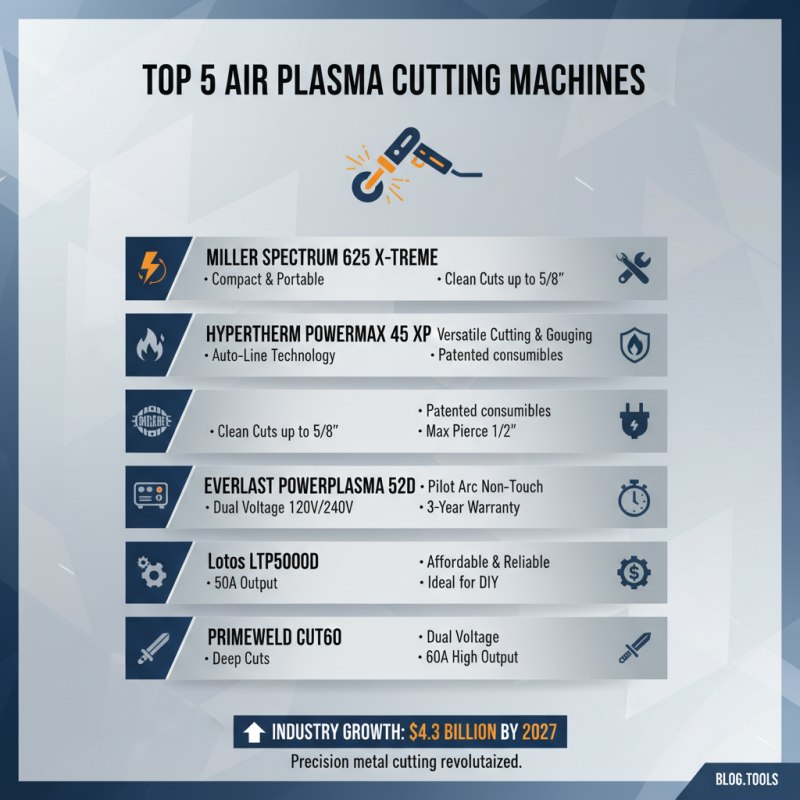
When it comes to air plasma cutting machines, the market offers several standout options. These machines revolutionize metal cutting with precision. According to a recent industry report, plasma cutting is projected to reach a market value of $4.3 billion by 2027. This growth highlights the importance of selecting the right machine for specific needs.
Some recommended options emphasize efficiency and practicality. Users often cite the ease of setup and operation as key features. Notably, a device with a rapid cutting speed can reduce downtime significantly. A recent survey indicated that professionals prefer machines that maintain a consistent cutting quality over prolonged use. In this regard, features such as adjustable cutting speeds and amperage are crucial.
Moreover, while many machines promise reliability, not all deliver on performance. Issues such as inconsistent arc stability can arise, leading to frustration among users. Learning from these challenges is essential for making informed choices. Review findings suggest that regular maintenance and quality assessments can prolong machine lifespan and enhance overall output. Investing time in understanding your specific requirements will lead to better long-term results.
Comparative Analysis of Performance and Price in Plasma Cutters
When considering air plasma cutting machines, performance and price are two critical factors. The right machine can significantly influence the efficiency and quality of your work. Various machines offer different specifications, but not all deliver equal performance. Knowing the features that matter is essential. Some machines excel in cutting thickness, while others may shine in speed or precision.
The price range can vary widely. Budget-friendly options may lack advanced features. Higher-end models offer improved cutting capabilities but can be expensive. Analyzing the specifications in relation to the price helps in making an informed decision. Some users find themselves overwhelmed by choices, struggling to identify which features justify the cost. It’s crucial to assess not only the initial investment but also the long-term value based on the machine's performance.
Test results reveal that not all expensive models perform better in every aspect. Some affordable units can compete well if chosen wisely. Users often report mixed experiences. Achieving a perfect balance between cost and functionality requires careful consideration. Ultimately, understanding your specific cutting needs is vital before making a purchase.
Top 5 Air Plasma Cutting Machines You Need to Know
| Model |
Cutting Capacity (inches) |
Amperage Range (A) |
Weight (lbs) |
Price ($) |
| Plasma Cutter A |
1/2 |
30-50 |
45 |
650 |
| Plasma Cutter B |
3/8 |
20-40 |
38 |
500 |
| Plasma Cutter C |
5/8 |
40-60 |
50 |
750 |
| Plasma Cutter D |
1/4 |
15-25 |
30 |
400 |
| Plasma Cutter E |
3/4 |
50-80 |
60 |
900 |
Maintenance Tips for Prolonging the Life of Plasma Cutting Equipment
Proper maintenance is crucial for extending the life of plasma cutting equipment. Regular cleaning of the torch and consumables can significantly improve performance. According to industry reports, over 30% of cutting issues arise from dirty or worn-out parts. Maintenance should include checking for signs of wear and replacing consumables before they fail. This proactive approach can prevent costly downtime.
In addition, ensuring adequate cooling is vital for avoiding overheating. Plasma cutting generates significant heat, which can lead to equipment failure. Studies show that machines with effective cooling systems last 20% longer than those without. Regular inspections of cooling components can help maintain optimal performance and reduce the risk of breakdowns.
Moreover, keeping the workspace organized is often overlooked. A clutter-free area minimizes the risk of accidents and ensures tools are accessible. A well-maintained environment not only enhances safety but also improves operational efficiency. In this fast-paced industry, small details can lead to big differences in productivity and equipment lifespan.
 WeChat Online Service