Top Digital Welding Machines for Global Buyers in 2026?
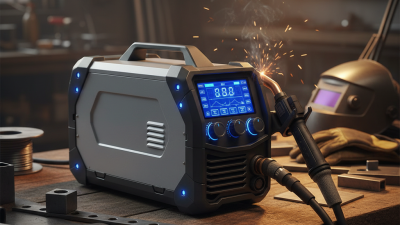
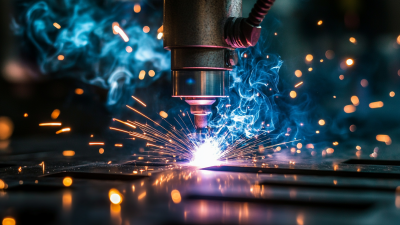
As we advance into 2026, the landscape of welding technology is rapidly evolving. The Digital Welding Machine has emerged as a transformative tool in various industries. This modern device offers precision, efficiency, and enhanced control compared to traditional welding methods. Global buyers are now faced with an overwhelming array of options.
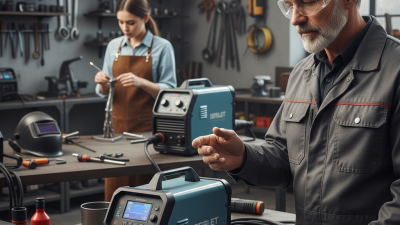
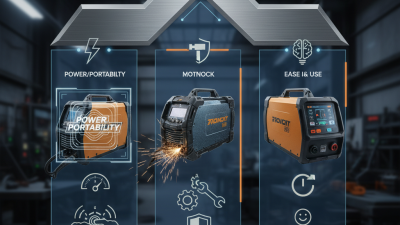
Choosing the right Digital Welding Machine requires an understanding of specific needs. Buyers must consider factors like power, portability, and compatibility with different materials. Each machine boasts unique features, but reliability is paramount. Manufacturers must offer warranties and support, ensuring that users can address any issues swiftly.
Reflecting on the options available, it's clear that not every machine meets high standards. Buyers may encounter misleading information. Conducting thorough research and referencing expert reviews can help. With careful consideration, global buyers can make informed decisions in 2026's competitive market.
Top Digital Welding Machines for Global Buyers in 2026
The landscape of digital welding machines is rapidly evolving. In 2026, global buyers will prioritize machines that enhance productivity and precision. Reports indicate a projected growth rate of about 5.2% annually in this sector. Many users seek machines that integrate advanced features, such as predictive maintenance and real-time monitoring.
Recent studies reveal that 70% of welding professionals value ease of operation. User-friendly interfaces can significantly reduce the learning curve. Yet, some machines struggle with adaptability to diverse working environments, leaving room for improvement. Inconsistent performance under varying conditions remains a concern for many manufacturers.
Energy efficiency is also a crucial factor. The trend is shifting towards machines that consume less power without sacrificing performance. Industry data highlights that nearly 45% of buyers emphasize energy savings in their purchasing decisions. As technology advances, there is a clear demand for tools that not only do the job but also contribute to sustainability. The future looks promising, yet challenges remain in delivering consistent quality across the board.
Top Digital Welding Machines for Global Buyers in 2026
| Model |
Power Output (kW) |
Welding Type |
Weight (kg) |
Price ($) |
Features |
| Model A |
300 |
MIG |
25 |
1200 |
Digital Display, Auto Settings |
| Model B |
250 |
TIG |
20 |
950 |
Pulse Function, Lightweight |
| Model C |
450 |
Stick |
30 |
1500 |
High Duty Cycle, Advanced Cooling |
| Model D |
500 |
MIG/TIG |
35 |
1800 |
Multi-Process, Programmable Settings |
Key Features to Look for in Digital Welding Machines
When choosing a digital welding machine, it's crucial to focus on key features. Consider the power output, which directly impacts welding performance. Machines with adjustable voltage settings offer versatility for various tasks. A compact design can enhance portability, ideal for projects in different locations. Weight is also a factor; lighter machines may be easier to handle.
Another important aspect is user interface. Machines with intuitive controls ensure ease of use, particularly for beginners. Look for digital displays that provide clear readouts. This feature allows welders to monitor settings in real-time. Additionally, a machine with built-in safety features can prevent accidents and enhance reliability.
In the realm of digital welding, connectivity options matter. Machines with Wi-Fi or Bluetooth allow for software updates and remote monitoring. This technology can lead to improved efficiency. Ergonomics should not be overlooked. A comfortable grip and thoughtful design play a vital role in long working hours.
Though many machines claim to be perfect, finding the right balance between these features is key. Reflect on the specific needs for your workspace, and choose accordingly.
Comparison of Leading Brands in Digital Welding Technology
As the welding industry evolves, digital welding machines are becoming crucial for manufacturing efficiency. In 2026, global buyers seek advanced technologies that enhance productivity and accuracy. Recent reports indicate that the digital welding equipment market is projected to grow at a CAGR of 7.5% over the next four years. This surge emphasizes the importance of integration with Industry 4.0 standards.
Two significant factors differentiate leading brands in this sector: precision and user experience. Industry analysis shows that machines with advanced feedback systems reduce error rates by 30%. Additionally, intuitive interfaces are essential for operators, as 65% of users report faster skill acquisition with more accessible controls. Buyers often struggle to balance features and cost, highlighting the need for well-rounded comparisons.
Another consideration is maintenance and longevity, with many machines requiring frequent servicing. Reports suggest that over 40% of operational downtime stems from equipment failure, stressing the importance of durability in purchasing decisions. These insights are vital for buyers as they navigate the complexities of digital welding technology in their sourcing strategies.
Market Trends Influencing the Digital Welding Machine Industry
The digital welding machine industry is experiencing significant changes. Advanced technology is paving the way for enhanced precision and efficiency. Automation is becoming more integrated into welding processes. This shift leads to reduced labor costs and improves productivity across the board. A strong focus on sustainability is shaping market trends as well. Eco-friendly materials and processes are gaining traction. Manufacturers are increasingly prioritizing energy efficiency in their designs.
Users should pay attention to emerging technologies like AI and IoT. These innovations can streamline production processes. They can also provide real-time data analysis for quality control. Additionally, consider the importance of skilled operators. While machines are becoming automated, human oversight remains vital. Balancing technology and craftsmanship is crucial for optimal performance.
Keep in mind the evolving safety regulations as well. Compliance with these standards is essential for market competitiveness. Investing in reliable training for operators can yield significant returns. Understanding these market trends is key to making informed purchasing decisions in 2026.
Buyer’s Guide: Choosing the Right Digital Welding Machine for Your Needs
When choosing a digital welding machine, understanding your specific needs is essential. The market offers various models, each designed for different applications. Consider factors like material type and thickness. These details can significantly influence your decision. A beginner might need a user-friendly interface. Meanwhile, an experienced welder may seek advanced features for precision.
Portability is another critical aspect. If you plan to work on-site, lightweight machines are beneficial. However, heavier models might offer more power. Evaluate the welding processes you will often use, such as MIG, TIG, or Stick. Each method has unique advantages and limitations. This helps in narrowing down your options.
Do not overlook the importance of support and service. A reliable warranty and customer service can save you from future hassles. Research user reviews to gauge product performance and longevity. Remember, investing in the right machine can elevate your welding quality. However, some users may face a learning curve with digital interfaces. Embrace the journey and refine your skills for better results.
Top Digital Welding Machines for Global Buyers in 2026

 WeChat Online Service