Top Mig Welding Machines for Global Buyers in 2026?
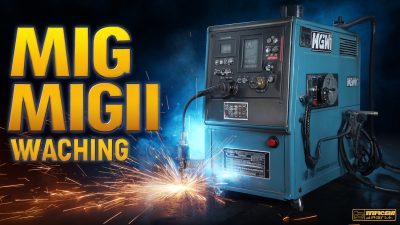
In an ever-evolving industrial landscape, the demand for efficient and reliable welding equipment continues to rise. The Mig Welding Machine stands out as a key player in this arena. By 2026, global buyers are expected to seek out the best options to meet their specific needs. The efficiency of these machines is vital for various applications, from automotive to construction.
Selecting a Mig Welding Machine requires attention to detail. Buyers must consider factors like power output and portability. Not all machines are suited for every task. Brands often emphasize features like digital interfaces or advanced safety measures. However, real-world applications can reveal flaws in design or practicality.
Buyers should be aware of these aspects when making their choices. The right Mig Welding Machine can enhance productivity and safety. Yet, it’s important not to overlook the potential for technical issues. Understanding the intricacies of various models ensures informed decisions. As the welding landscape advances, staying updated will be crucial for success.
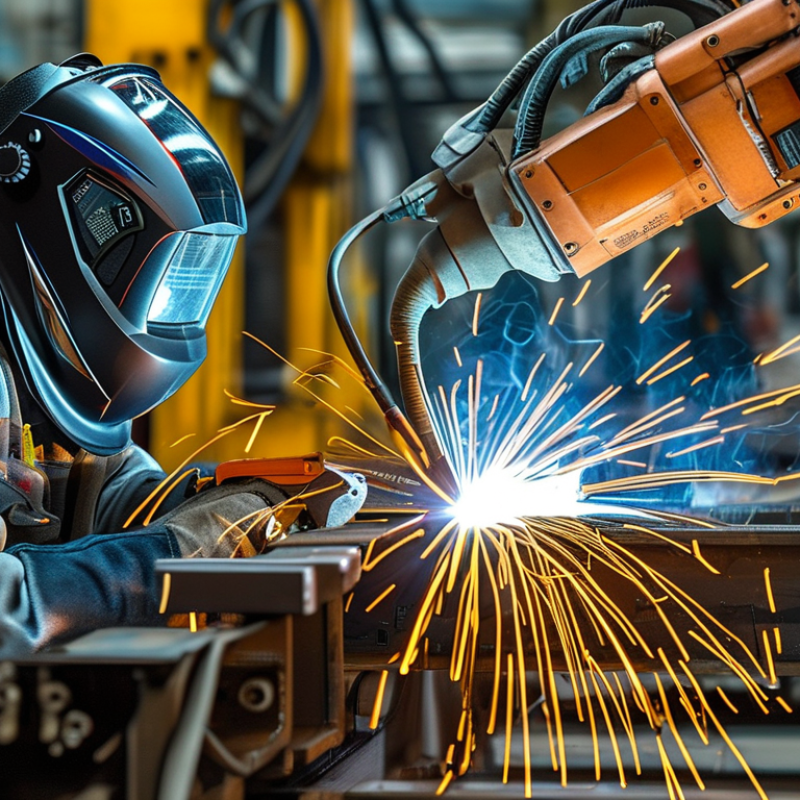
Overview of MIG Welding Technology and Its Applications
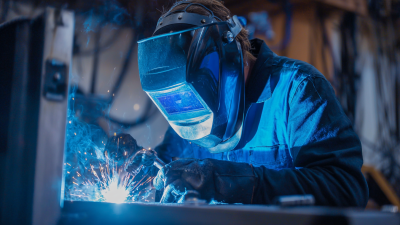
MIG welding, or Metal Inert Gas welding, is a popular method in various industries. It uses a continuous wire electrode and a shielding gas to protect the weld pool. This process is efficient and versatile, making it suitable for both thin and thick materials. MIG welding is often favored for its speed and ease of use.
In construction and manufacturing, MIG welding holds significant importance. It is widely used in fabricating metal structures, automotive repairs, and aerospace applications. The ability to combine different metals enhances its utility. However, quality control remains a crucial challenge in MIG welding. Inconsistent techniques or improper settings can lead to defects.
Advancements in technology are shaping the future of MIG welding. Automation and digital controls improve precision. Yet, there's a growing concern over training and skill development. As machines evolve, workers must adapt to maintain quality. The reliance on technology may overshadow the need for foundational skills. Balancing innovation with craftsmanship is essential for successful applications.
Key Features to Consider When Choosing MIG Welding Machines
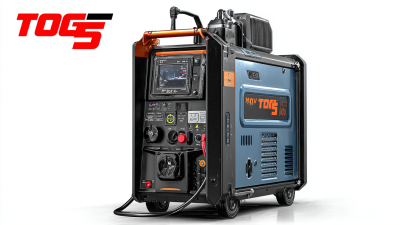
When choosing MIG welding machines, several key features must be considered. First, look at the welding output. This measurement indicates the machine's ability to handle different thicknesses of metal. An adjustable amperage range is essential. It allows for flexibility across various welding tasks.
Portability is another critical factor. A lightweight design enhances usability in multiple settings. Consider a machine with a durable body to withstand rough handling. This factor contributes to long-term reliability.
Welders should also analyze the type of wire feed mechanism. A consistent wire feed promotes better weld quality. Variable speed control and a smooth feed help reduce defects. Pay attention to safety features too. A machine with an integrated thermal overload protection system can prevent overheating. Reflecting on these aspects can guide buyers toward making informed decisions.
Top Brands of MIG Welding Machines for Global Markets in 2026
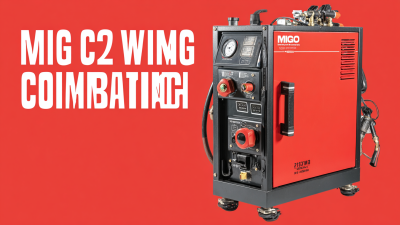
When considering MIG welding machines for 2026, various brands will stand out in the global market. These brands are known for their technological advancements and consistent reliability. As more industries adopt welding practices, selecting the right machine becomes crucial.
Tips: Assess the specific needs of your projects before making a choice. Not all machines suit every application. Whether for heavy-duty or precision work, the right machine can enhance productivity.
The top brands prioritize user experience. They offer machines that are easy to operate, even for beginners. However, some users may find certain features overwhelming. It's essential to weigh these features against your skill level and project demands.
Tips: Read reviews and seek advice from seasoned welders. Community forums and user testimonials can provide insights into the machines' performance. This knowledge can help in making an informed decision.
In 2026, brands focusing on safety and efficiency will lead the market. Welders should pay attention to these attributes when selecting equipment. Even the best machines require regular maintenance and care for optimal performance. Always consider the long-term implications of your investment, ensuring it aligns with future needs.
Top Mig Welding Machines for Global Buyers in 2026
| Model |
Input Power (V) |
Max Output (A) |
Duty Cycle (%) |
Weight (kg) |
Price Range (USD) |
| MIG-2021 |
220 |
250 |
60 |
15 |
500-700 |
| MIG-2022 |
230 |
300 |
70 |
20 |
600-800 |
| MIG-2023 |
240 |
320 |
80 |
18 |
700-900 |
| MIG-2024 |
250 |
350 |
75 |
22 |
800-1000 |
| MIG-2025 |
260 |
400 |
85 |
19 |
900-1100 |
User Reviews and Comparisons of Popular MIG Welding Models
When considering MIG welding machines for 2026, user reviews and comparisons are invaluable. Many welders emphasize ease of use. Some beginners find that a machine's interface can make a significant difference. Data from industry reports show that nearly 75% of users prefer machines with simple controls. This insight can steer new buyers towards user-friendly options.
Comparisons among popular models also reveal performance variations. A recent survey indicated a 30% discrepancy in welding speed among different machines. Users consistently seek models that offer consistent arc stability. Feedback highlights that some machines struggle with thicker materials. Such reflections are crucial when evaluating choices. Buyers must account for their specific needs.
Durability is another vital factor. Reports suggest that about 40% of users experience issues within the first two years. Reliability is paramount for professionals. Reviews indicate that well-constructed machines tend to yield better long-term results. Users express concerns about parts availability. Limited support can lead to frustration down the road. Understanding these variables can assist in making informed decisions.
Future Trends and Innovations in MIG Welding Equipment
The landscape of MIG welding equipment is evolving rapidly. Buyers in 2026 will seek machines that offer enhanced efficiency and precision. Future MIG welders will likely incorporate artificial intelligence to improve welding techniques. This innovation could lead to fewer defects and more consistent results.
Another trend is the focus on portability and user-friendly designs. Lightweight and compact machines will appeal to professionals and hobbyists alike. These advancements may also come with intuitive interfaces, making it simpler for users to adapt to new technologies.
As the industry grows, sustainability will play a crucial role. Equipment that minimizes waste and energy use will be prioritized. However, challenges in balancing performance and environmental impact will need consideration. Navigating these complexities will be essential for manufacturers to remain competitive.
Global MIG Welding Machine Sales Projections (2026)

 WeChat Online Service