Leave Your Message

Who Are the Top Stainless Steel Welding Suppliers in China?

China’s role in stainless steel is substantial, but production scale alone cannot identify a dependable welding supplier. The World Stainless Association reported approximately 62.6 million tonnes of global stainless crude steel production in 2024, with China producing about 39.4 million tonnes. These figures describe material output, not welding quality or supplier capability. Volume is not proof.

For buyers assessing Stainless Steel Welding suppliers, practical evidence matters: documented welding procedures, qualified personnel, traceable materials, and inspection records. ISO 3834 provides quality requirements for fusion welding of metallic materials, while ISO 9001 can indicate a broader quality-management system. Neither certificate replaces a review of actual project experience. Ask how a supplier handles distortion on thin sheet, controls heat input on thick sections, and records weld inspection results. Details matter.

A useful comparison should also consider process range, such as TIG, MIG, or laser welding, alongside equipment capacity and experience with the required stainless grade. Request sample documentation and references for comparable work; verify certificates with the issuing bodies where possible. The strongest shortlist is built on evidence, not a polished catalog. One limitation remains: public data rarely supports a definitive ranking of individual Chinese suppliers. Any “top suppliers” list should therefore explain its criteria and acknowledge what it cannot verify.
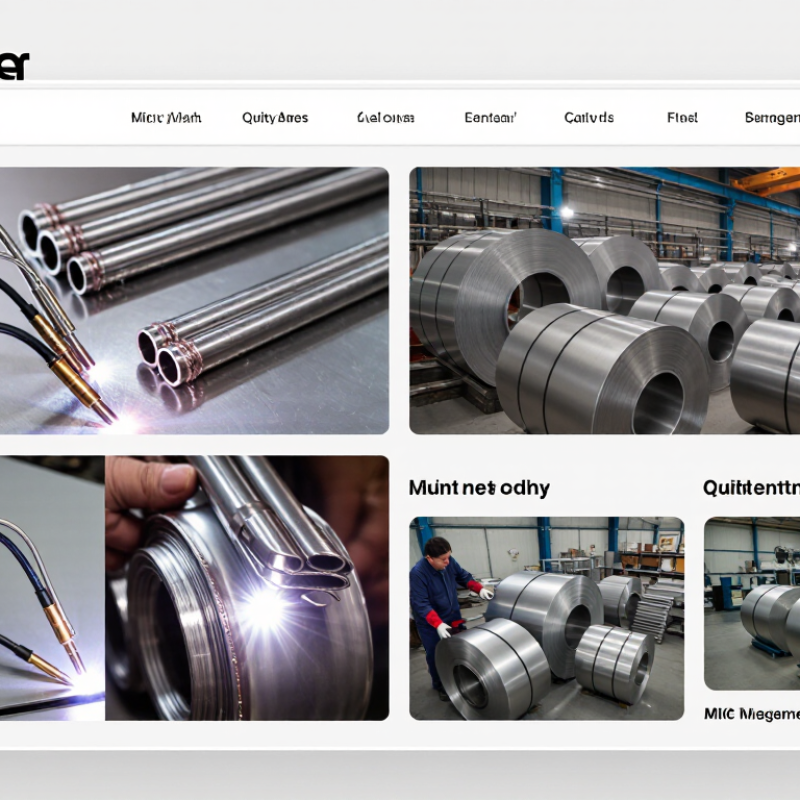
Who Are the Top Stainless Steel Welding Suppliers in China?

Understanding China’s Stainless Steel Welding Supplier Landscape

China’s stainless steel welding supplier landscape includes workshops focused on custom fabrication, larger production facilities, and specialists serving particular industries. “Top” is not a fixed label; the right choice depends on material, tolerances, volume, and inspection needs. A supplier making food-grade tanks may approach a project differently from one producing structural frames. Ask which stainless grades it regularly welds, such as 304 or 316L, and whether its team handles TIG, MIG, or laser welding. Details matter.

A useful assessment goes beyond a polished sample. Request drawings, material traceability documents, and inspection records for comparable work. Look closely at bead consistency, distortion around corners, and the finish near joints—small defects can be costly to correct after assembly. Discuss how the supplier controls heat input and prevents contamination from carbon-steel tools. Clear answers are a good sign, though paperwork alone cannot prove shop-floor consistency. A production visit or a paid trial piece can reveal gaps. I would still leave room for uncertainty: one successful sample may not predict every batch, especially when specifications change.
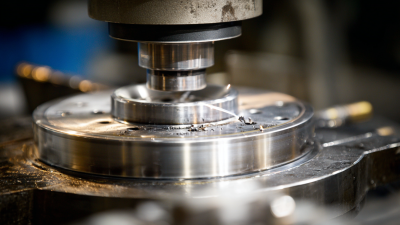
Leading Stainless Steel Welding Suppliers in China

Leading stainless steel welding suppliers in China are best judged by their process control, material knowledge, and ability to document each order. A polished workshop is not enough. Ask how the supplier manages grades such as 304 and 316, controls heat input, and prevents surface contamination. These details can affect corrosion resistance and appearance.

Details matter. Request material certificates, welding procedure records, and inspection reports relevant to your product. If possible, review a sample weld for even bead width, clean edges, and minimal discoloration. Ask whether the supplier can explain its testing methods, including dimensional checks or leak testing when needed. Clear answers are more useful than broad promises.

A reliable partner should also discuss production capacity, lead times, packaging, and how changes are handled after a drawing is approved. Compare suppliers using the same specifications, not just the lowest quote. One point is easy to overlook: a capable factory may still misunderstand a drawing or finish requirement. Confirm critical dimensions and surface expectations in writing, then review a first article before full production.

Products and Welding Capabilities Offered by Major Suppliers

Major Chinese stainless-steel suppliers may provide welded pipe, tanks, pressure-vessel components, sheet assemblies, and custom-fabricated parts. Their capabilities vary by factory. The World Stainless Association’s Stainless Steel in Figures 2024 reports global stainless crude-steel production of about 58.4 million tonnes in 2023, with China producing approximately 36.7 million tonnes.

This scale supports a broad processing base, but it does not prove any individual supplier’s welding quality.

Common processes include TIG welding for clean, controlled seams; MIG welding for higher-volume fabrication; and laser welding for thin sections with limited heat distortion. Some workshops also offer orbital welding for pipework and automated seam welding for tanks.

Ask for welding procedure specifications, qualified procedure records, and sample welds in the required grade and thickness. Check penetration, discoloration, distortion, and finishing on an actual coupon. Small details matter.

A supplier’s product list can look impressive. Verify its inspection plan, material traceability, and ability to document repairs. For food-contact or corrosive service, confirm the specified surface finish and post-weld cleaning method.

Not every factory offers the same controls, and a polished brochure cannot replace a production trial. One detail is easy to overlook: weld quality may change when a shop moves from a short sample to a long production seam.

How to Evaluate a Stainless Steel Welding Supplier

Choosing a stainless steel welding supplier takes more than comparing hourly rates. Ask for recent examples involving the same alloy, thickness, and joint type as your project. A shop experienced with thin 304 sheet may not handle thicker 316L assemblies consistently. Request welding procedure records, welder qualifications, and inspection reports. Details matter. Check samples for even bead profiles, controlled heat input, and limited distortion.

Discuss how the supplier manages preparation and traceability. Stainless steel can lose corrosion resistance through contamination from carbon-steel tools or poor handling. Ask how parts are stored, cleaned, and kept separate on the shop floor. Visit if practical. Observe fit-up, shielding or purge-gas arrangements for critical root passes, and how defects are recorded and corrected. A polished sample alone proves little. Confirm lead times, production capacity, and packaging too; estimates can be optimistic.

Tips: Send a drawing and a representative sample, then ask the supplier to explain its inspection plan in plain language. Agree on acceptance criteria before production. Keep one question open: what might go wrong? A capable supplier should answer honestly, though no process is perfect.

Key Considerations for Sourcing from Chinese Suppliers

When evaluating stainless steel welding suppliers in China, look beyond the quoted price. Ask which grades they process and how they prevent carbon-steel contamination. A clean work area, dedicated brushes, and separate storage racks matter. Request material certificates and confirm that heat or batch numbers remain traceable through production. These details help connect the delivered parts to their source.

Review welding procedures, inspection records, and staff qualifications for the work you need. If possible, assess a sample weld for fit, finish, and consistency before placing a larger order. A video call can show equipment and shop-floor practices, but it cannot replace independent inspection. Compare lead times, packaging, and defect-handling terms in writing. Price comparisons alone are imperfect; I would not treat them as a full measure of supplier capability.

Tips: Send a clear drawing with tolerances and surface-finish requirements. Ask who pays for rework if a part fails inspection. Keep the first order manageable. Small trials can reveal communication gaps, though they may not predict every production issue.