Top Stick Welders of 2026 What to Look For?
In the realm of welding, choosing the right equipment is vital. The Stick Welder stands out as a reliable tool used in various projects. As we approach 2026, several innovations emerge in the welding industry. Knowing what to look for can greatly influence your workflow efficiency.
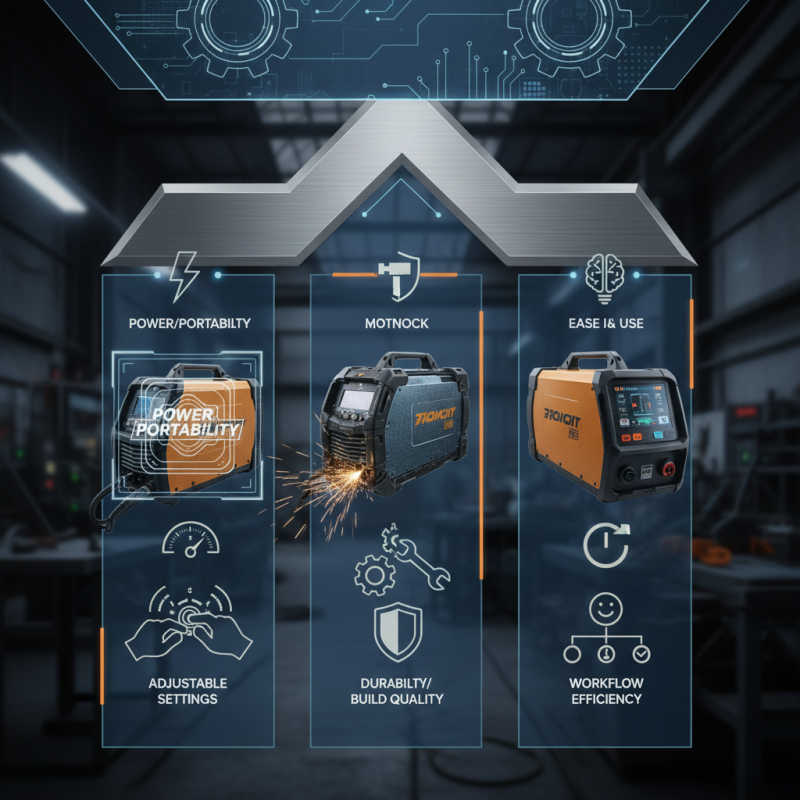
When selecting a Stick Welder, consider its power output and portability. Think about your specific welding needs and materials. Many welders struggle with amperage settings, leading to inconsistent results. Features like adjustable settings can improve user experience. However, not all models provide this flexibility.
Durability matters, especially in tough working conditions. Look for welders with robust builds that can withstand wear and tear. Some users overlook the importance of ease of use. A complicated interface can slow down productivity. Reflecting on these aspects will help you choose the right Stick Welder for your tasks.
Top Stick Welders of 2026: An Overview of Innovations
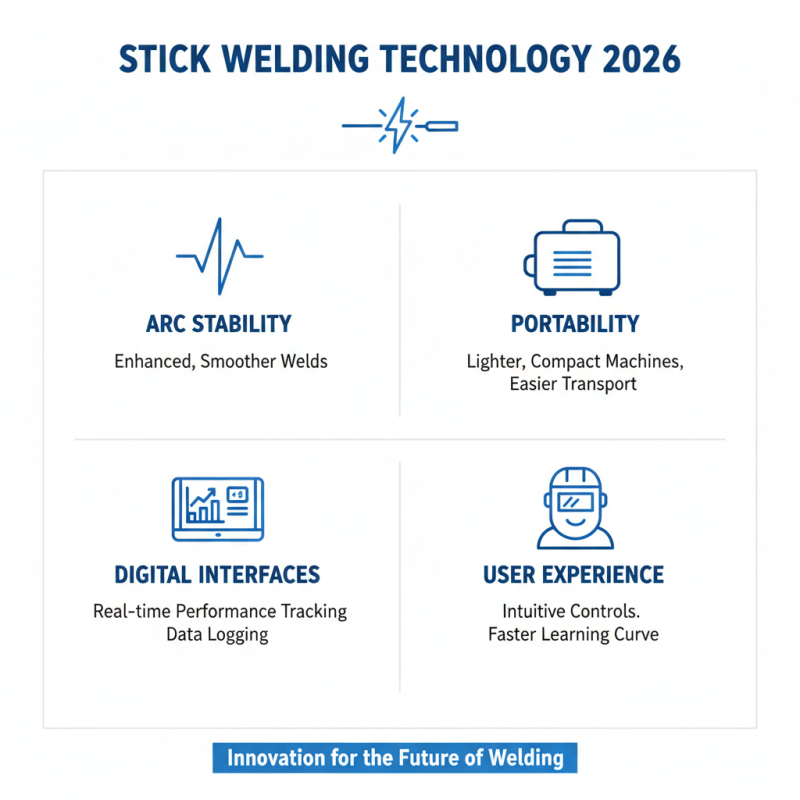
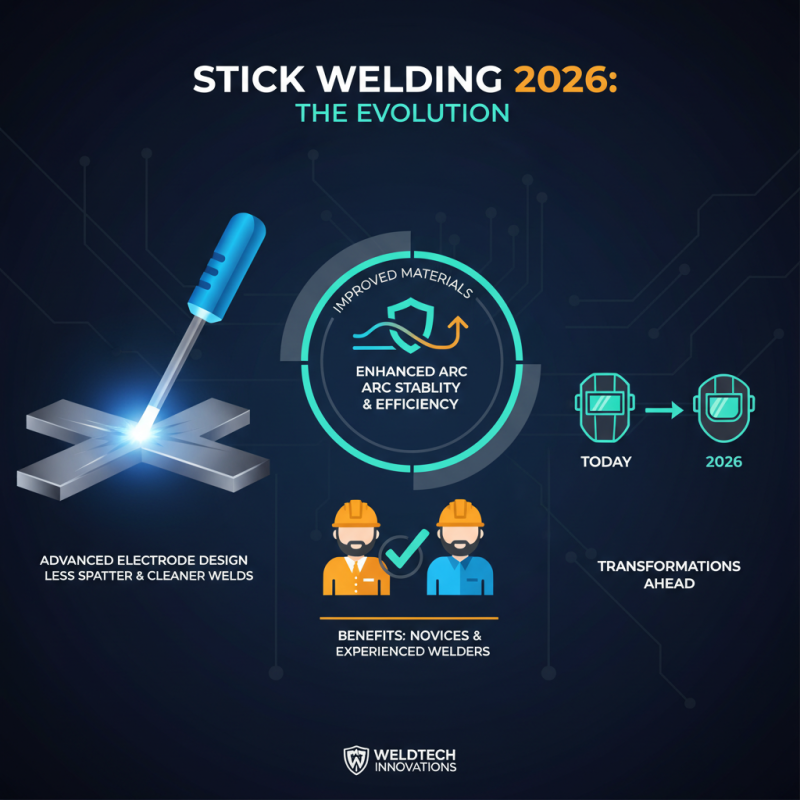
As we look towards 2026, stick welding technology is advancing rapidly. Innovations are emerging in arc stability and portability. These improvements significantly enhance user experience. Digital interfaces are becoming more common. They help welders track performance metrics easily.
Another key focus is user safety. Many units now feature enhanced heat resistance. This reduces the risk of burns during operation. Additionally, lightweight materials are being used. This makes transport and handling more convenient. Welders often work in challenging environments. Durable designs are crucial for reliability in these conditions.
However, not all innovations are flawless. Some new features may complicate usability. Users might find themselves overwhelmed with functions. It’s important to balance technology with practicality. Feedback from professionals will shape future designs. This continuous dialogue is vital for improvement. Innovation should enhance welding, not hinder it.
Key Features to Consider When Choosing a Stick Welder
When choosing a stick welder, consider several key features. Power output is crucial. Look for welders with adjustable amperage settings. This allows for better control over the welding process. A range of settings enables you to work on different materials. It can help prevent burn-through on thinner metal.
Portability is also important. A lightweight, compact design makes it easy to transport. Check for durable storage options for cables and electrodes. Additionally, user-friendly controls streamline the welding process. Clear indicators help you monitor the welder's performance.
Lastly, remember to evaluate the duty cycle. A higher duty cycle means longer operation without overheating. However, don’t overlook safety features. Proper ventilation and protective gear are essential. Reflect on your specific needs before making a decision. Choosing the right features can make a significant difference in your welding projects.
Top Stick Welders of 2026 - Key Features to Consider
Performance Metrics to Evaluate Top Stick Welders
When choosing top-stick welders in 2026, performance metrics are crucial. Look for weld speed. How quickly can the machine produce a strong weld? Productivity is key in many projects. Efficiency impacts costs. A welder that completes tasks faster can save time and money.
Consider the penetration depth as well. This measures how deeply the weld embeds into the material. A deeper penetration often means a stronger bond. On the contrary, too much penetration can lead to warping or unwanted defects. Find a balance that works for your specific needs.
Voltage and amperage controls matter significantly too. These settings affect the heat input and overall quality of the weld. User-friendliness is essential here. Can you easily adjust these controls? Complex adjustments can lead to frustration. Finally, review duty cycles. They determine how long you can weld before needing a break. A higher duty cycle ensures consistent performance during heavy tasks. Striking the right balance among these metrics is not easy. Reflect on what is most important for your projects.
Top Stick Welders of 2026 - Performance Metrics
| Model |
Amperage Range (A) |
Duty Cycle (%) |
Weight (lbs) |
Price ($) |
| Model A |
20-225 |
40 |
50 |
300 |
| Model B |
50-200 |
60 |
45 |
250 |
| Model C |
30-300 |
50 |
60 |
350 |
| Model D |
10-200 |
70 |
40 |
220 |
| Model E |
15-250 |
80 |
55 |
275 |
User Experience and Feedback: Learning from Industry Experts
In 2026, user experience will shape the landscape of stick welders. Experts emphasize the importance of hands-on feedback. Surveys show that over 70% of welders prefer tools that provide versatility and ease of use. A weighty welder might offer stability. However, it can cause fatigue during long projects. Many users look for the balance between power and portability.
Industry data highlights the need for technology integration. Features like digital displays and built-in tutorials enhance usability. Roughly 60% of professionals indicate that advanced features directly impact their productivity. Yet, some argue that reliance on technology can lead to oversights. They warn against ignoring basic welding skills amid rising automation.
Ergonomics also plays a crucial role in user satisfaction. A comfortable grip can reduce strain. Many workers report discomfort after extended use of poorly designed welders. Feedback shows that factors like handle shape and weight distribution matter. This suggests that, while innovation is key, maintaining a focus on user comfort is essential.

 WeChat Online Service