What is Welder Equipment and How to Choose the Best?
Welder equipment is essential in various industries, from manufacturing to construction. Choosing the right welder equipment is vital for efficiency and quality. A recent report from the Welding Institute highlights that improper selection can lead to a 30% increase in production costs. Professionals must understand the nuances of different welding technologies, such as MIG, TIG, and stick welding.
Expert welder Sara Thompson states, "The right equipment can make or break a welding project." This emphasizes the importance of selecting tools that match specific needs. For instance, lightweight, portable welders are ideal for fieldwork, while heavy-duty models are better for factory settings. Understanding these details can significantly impact overall performance.
Mistakes in equipment choices can hinder a project. Improper gear may result in poor weld quality or increased maintenance costs. Crafting a well-informed decision requires research and consultation with industry experts. Exploring various options ensures enhanced reliability and productivity in welding tasks.

Understanding Welder Equipment: An Overview of Essential Tools
Understanding welder equipment is crucial for anyone in the welding industry. Essential tools include welding machines, helmets, gloves, and protective clothing. The American Welding Society estimates that 200,000 new welding jobs will be created by 2029. This growth indicates a rising demand for high-quality welder equipment.
When choosing welder equipment, consider your specific needs. Equipment varies widely – from MIG and TIG welders to stick welders. Each type has different applications. According to a report by Grand View Research, the global welding equipment market is projected to reach $24 billion by 2025. Significant advancements in technology are also influencing this market.
Investing in proper tools is vital, but it’s not just about brand names. Quality matters more than flashy features. Often, users overlook factors like ergonomics and power efficiency. A welding helmet, for example, should provide comfort and adequate visibility. Too often, welders rely on outdated gear that compromises safety and quality. Remember, a good work environment aids in better craftsmanship.
Welder Equipment Usage Statistics
This chart illustrates the percentage usage of different types of welder equipment in the industry, showcasing MIG welders as the most commonly used, followed by TIG and Stick welders.
Types of Welding Equipment: A Breakdown of Common Tools and Their Uses
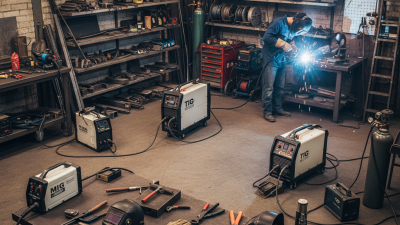
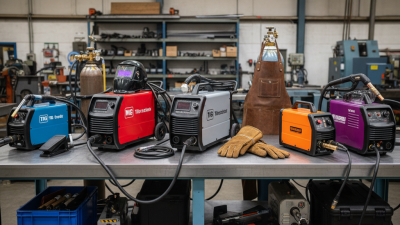
When exploring welding equipment, it’s essential to understand the different types available. The most common tools are MIG welders, TIG welders, and stick welders. Each has unique features suitable for various projects. MIG welders use a continuous wire feed and are great for beginners. They are fast and efficient for thin materials.
TIG welders offer greater precision and control, making them ideal for intricate work. They are perfect for stainless steel and aluminum. On the other hand, stick welders are versatile and can be used outdoors. They work well on rusty or dirty metals, but can be challenging for novices.
Other tools like plasma cutters and welding helmets also play crucial roles. Plasma cutters allow for clean cuts in metal, while helmets protect against harmful UV rays. Each tool has its strengths and weaknesses, which can lead to learning curves. Selecting the right equipment is vital for achieving quality results and enhances overall safety. Consider your project needs carefully before purchasing any tool.
What is Welder Equipment and How to Choose the Best? - Types of Welding Equipment: A Breakdown of Common Tools and Their Uses
| Equipment Type |
Description |
Common Uses |
| MIG Welder |
A type of welding that uses a continuously fed wire electrode. |
Auto repair, metal fabrication, and other industrial applications. |
| TIG Welder |
Uses a non-consumable tungsten electrode to produce the weld. |
Precision welding in aerospace, automotive, and art projects. |
| Stick Welder |
Utilizes a consumable electrode coated in flux to produce the weld. |
Construction, shipbuilding, and heavy equipment repair. |
| Plasma Cutter |
Uses a high-velocity jet of ionized gas to cut through metals. |
Metal fabrication and art projects. |
| Welding Helmet |
Protective gear to shield eyes and face from UV radiation and sparks. |
Essential for all welding processes. |
Key Factors to Consider When Choosing Welding Equipment
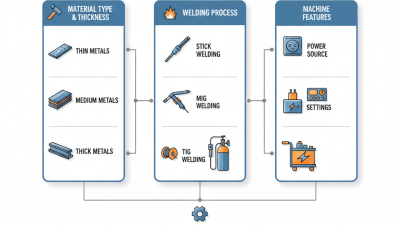
When choosing welding equipment, several key factors come into play. Understanding your specific needs is crucial. The type of welding you intend to perform influences your equipment choice. For instance, MIG welding requires a different setup than TIG welding. According to industry reports, nearly 30% of welders frequently switch between different welding processes depending on the job.
The power supply is another significant consideration. Most welding tasks can be completed with a welder that supplies between 120 and 240 volts. However, equipment operating at higher voltages is often more efficient for industrial applications. Additionally, weight and portability can impact your decision, especially for on-site jobs. Portable machines have seen increased demand. Reports indicate a growth rate of 15% in the portable welding equipment market.
Lastly, safety features are essential. Look for equipment that includes proper protective measures, like thermal overload protection. Many welders overlook the importance of these features until experiencing issues. A lack of awareness can lead to injuries, increasing downtime. Always prioritize reliability in equipment to avoid costly accidents and inefficiencies.
Safety Considerations for Welder Equipment and How to Ensure Protection
Safety is paramount in the welding profession. According to the American National Standards Institute (ANSI), over 35% of welding injuries are due to inadequate safety measures. Welders must use proper personal protective equipment (PPE) to mitigate risks. This includes helmets, gloves, and flame-resistant clothing. Each piece of equipment should meet national safety standards.
In addition, ensuring a safe work environment is crucial. Ventilation systems must be in place to prevent toxic fume buildup. The National Institute for Occupational Safety and Health (NIOSH) reports that about 15% of welders experience respiratory issues linked to exposure to harmful fumes. Regular checks of equipment and workspaces can significantly reduce these hazards.
Training and awareness are essential too. Many accidents can be prevented through education. Welders should be informed about their gear and how to use it. A study by the American Welding Society found that ongoing training can reduce accident rates by up to 25%. By focusing on safety and protection, the welding community can create a healthier work environment.

 WeChat Online Service