Top Welding Equipment Trends to Watch for in 2026?
As we approach 2026, the landscape of welding equipment is set to evolve significantly. Emerging technologies and industry demands are reshaping the welding sector. Innovations such as automation and advanced materials will dominate the market.
Welding equipment continues to improve in efficiency and precision. Companies are investing in smart technologies for better performance. This shift will bring about lighter, more portable welders. The use of artificial intelligence will enhance processes and decision-making.
However, challenges remain. Many welders still struggle to adapt to these rapid changes. Not all current workers have access to the latest training. This gap highlights the need for continuous education in the field. Overall, the future of welding equipment will be defined by both advancements and the ongoing need for skilled professionals.
Emerging Technologies in Welding Equipment for 2026
The welding industry is on the cusp of significant changes by 2026. Emerging technologies promise to enhance efficiency and quality in welding processes. Reports suggest that automation will play a crucial role, with robotic welding systems expected to increase productivity by up to 50%. The integration of artificial intelligence is also anticipated, enabling real-time adjustments and better quality control.
Machine learning algorithms can analyze data from welding processes to optimize parameters. This minimizes errors and waste, making operations more efficient. The application of augmented reality tools for training and maintenance is another promising advancement. These tools allow for immersive training experiences, improving skill development and reducing time-to-competence.
Tips: Invest in employee training on new technologies. Adaptation is critical. Stay informed about new welding techniques. Engage with industry reports for insights. Keeping up with trends is essential for competitiveness. Embrace flexibility in business strategies; this is never an easy shift. Remember, innovation carries its challenges, and it's essential to meet them head-on.
Advancements in Automation and Robotics in Welding
As automation and robotics continue to evolve, welding technology is set for a revolutionary shift in 2026. Robots are becoming more sophisticated, capable of performing complex tasks with precision. They can adhere to exact specifications with minimal human input. This trend enhances productivity and ensures quality in welding processes, reducing the chances of human error.
However, the integration of robotics in welding also raises challenges. Not all companies can afford high-end robotic systems. Smaller businesses may struggle with this technological leap. There's a learning curve that requires investment in training. Workers need retraining to coexist with these advanced machines. The balance between efficiency and skill is critical.
In the quest for progress, monitoring and maintenance of these robots is essential. Downtime can be costly. Ensuring that machines function smoothly requires ongoing attention. Sector leaders must remain vigilant about these factors. Embracing advancing technology also means adapting to its demands. The future of welding may be brighter, but it asks for careful consideration.
Sustainability Trends in Welding Practices and Equipment
Sustainability is reshaping the welding industry. New practices focus on reducing waste and conserving energy. Innovative materials are at the forefront, promoting eco-friendly welding techniques. Many companies are adopting reusable packaging for their materials. This simple change cuts down on waste significantly, aligning with eco-conscious goals.
Tips: Consider using local suppliers. This reduces transportation emissions. Another idea is to implement energy-efficient machines. These machines not only save power but can also boost productivity. A small shift can lead to big results.
Training plays a key role in this evolution. Workers should be educated on sustainable practices. Understanding the environmental impact is important. Regular workshops can keep staff informed about the latest trends. Embrace change with an open mind. Sustainability is an ongoing journey, not a quick fix.
Top Welding Equipment Trends to Watch for in 2026
This chart represents the anticipated growth in various welding technology sectors, focusing on sustainability trends in welding practices and equipment by 2026.
Portable and Lightweight Welding Solutions for the Future
The future of welding is leaning toward portable and lightweight solutions. As industries evolve, so does the demand for flexibility. With a growing number of projects taking place in varied locations, welders need equipment that can easily adapt.
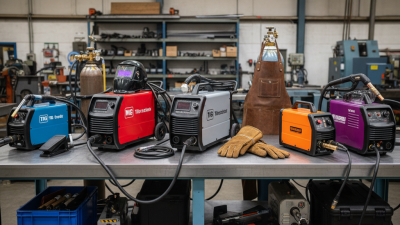
Portable welding machines are gaining attention. They’re designed to be compact and user-friendly. Weighing significantly less than traditional models, they allow for easy transport. Some machines can even be carried like a backpack. However, this convenience comes with challenges. Battery life can be a concern. Ensuring power for demanding jobs remains a critical area for improvement.
Additionally, modern welders require innovative designs. Ergonomics play a huge role in reducing fatigue during long hours. Some tools prioritize comfort but may sacrifice strength. Users might find it hard to strike a balance between weight and durability. These evolving trends highlight the necessity for ongoing development. As we approach 2026, achieving the right portable solution will demand creativity and foresight.
Integration of Smart Technologies in Welding Processes
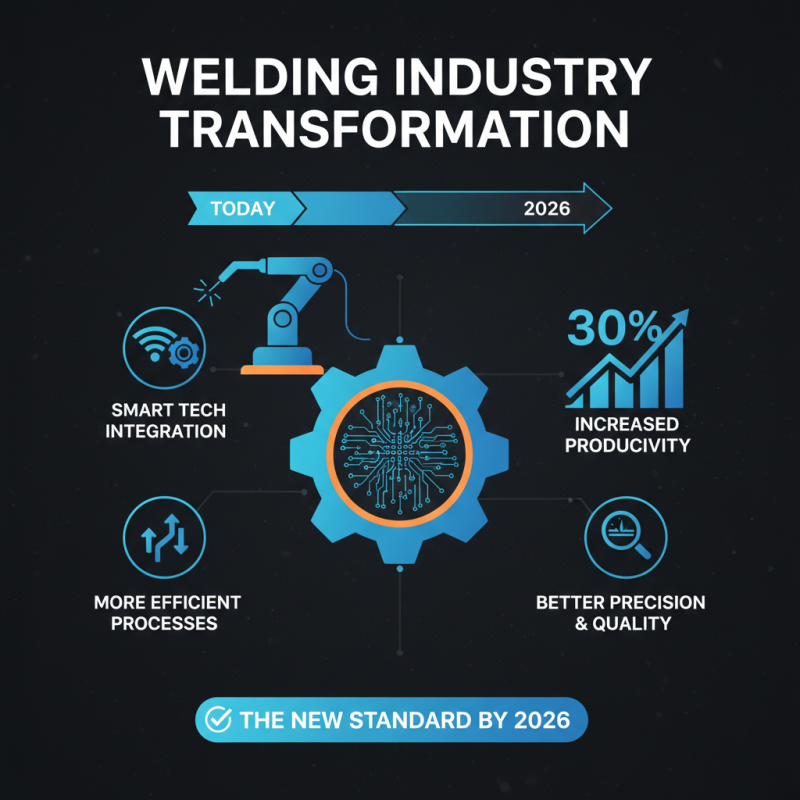
The welding industry is undergoing a significant transformation due to the integration of smart technologies. The rise of automation and digital tools has made processes more efficient. In fact, a recent industry report revealed that smart welding systems can increase productivity by up to 30%. This shift promotes better precision, enhancing the overall quality of welds. As we move towards 2026, we can expect these smart technologies to become the norm rather than the exception.
Tips for integrating smart technologies include starting with the assessment of current processes. Identify areas where automation can help. This would include welding simulation software to predict outcomes. Upgrading to smart welding machines can monitor and adapt in real-time. However, one must consider the costs involved. Not all companies will be ready to invest heavily. It’s important to weigh the potential benefits against these costs.
Data from a recent survey indicates that 65% of welders believe that training on new technologies is essential. Investing in training programs will help bridge this gap. Yet, finding qualified trainers may present challenges. Furthermore, not every operator may adapt to advanced systems easily. This leads to a complex transition that companies must navigate carefully. The path towards smart welding is filled with potential but also requires thoughtful consideration.

 WeChat Online Service