Leave Your Message

What is a Welding Set and How Does it Work?

A welding set is an essential tool used in metal fabrication and construction. It enables users to join metal pieces together through various techniques, like arc welding and MIG welding. Understanding how a welding set works is crucial for safe and effective metalworking.

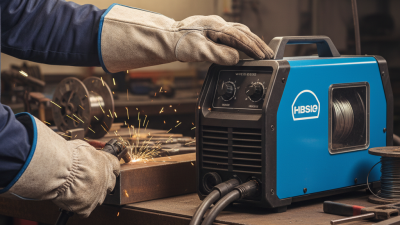
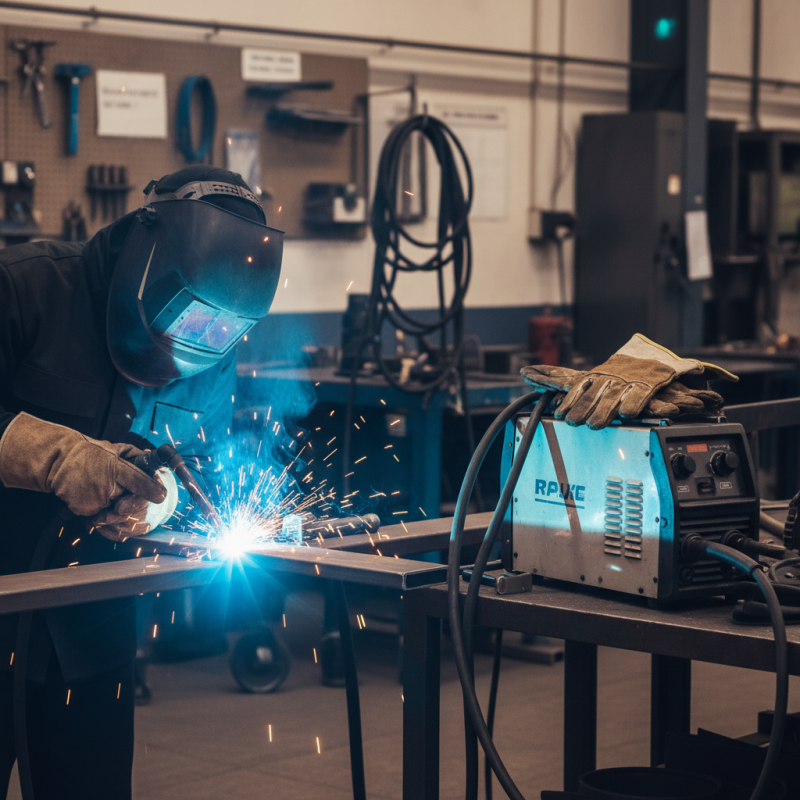
The components of a welding set usually include a machine, a power source, and protective gear. Each element serves a vital role in the welding process. The machine generates the heat needed to melt the metal. The power source provides the necessary energy. Lastly, protective gear is critical for ensuring the user's safety.

Learning to use a welding set requires practice. New welders may struggle with technique and safety measures. Mistakes can lead to poor weld quality or even accidents. Continuous education through workshops and professional guidance improves skills. Engaging with experienced welders can also provide valuable insights. Understanding these aspects enhances reliability and fosters a mindful approach to welding projects.
What is a Welding Set and How Does it Work?

What is a Welding Set?

What is a Welding Set and How Does it Work?

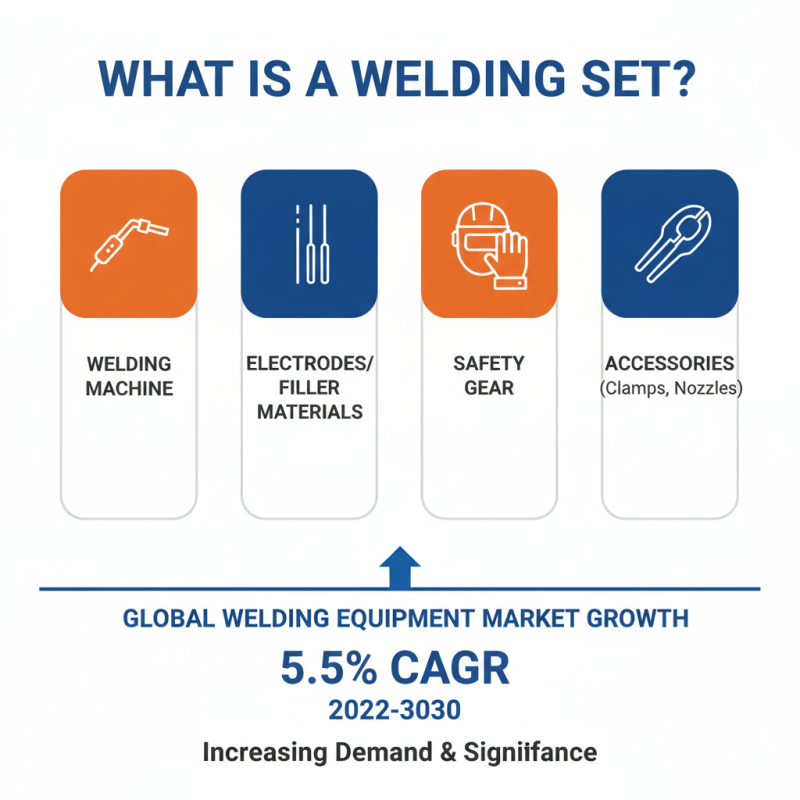
A welding set is a collection of tools designed for welding tasks. It typically includes a welding machine, electrodes or filler materials, safety gear, and sometimes accessories such as clamps and nozzles. According to industry reports, the global welding equipment market is projected to grow at a CAGR of 5.5% from 2022 to 2030, evidencing the increasing demand and significance of welding in various sectors.

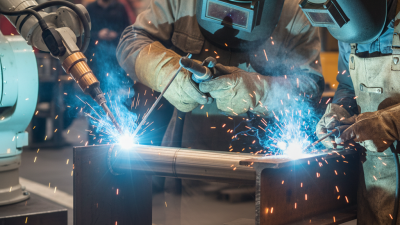
Welding sets operate by creating a strong bond between metals through intense heat. The process involves melting the base materials and often adding a filler material to fill the joint. This fusion creates a durable and stable connection. Different types of welding processes exist, such as MIG, TIG, and Stick welding, each suited for specific applications and materials. Many professionals stress the importance of understanding these variations. For example, using the wrong method can lead to weak welds and safety hazards.

Tips: Always wear protective gear to prevent injuries. This includes gloves, helmets, and masks. Regularly maintain your welding equipment to ensure optimal performance. Inconsistent results can occur due to poor setup or faulty materials. Keep a log of your projects to learn from successes and mistakes. By analyzing past work, one can identify areas for improvement and refine their skills in subsequent tasks.
Key Components of a Welding Set

What is a Welding Set and How Does it Work?

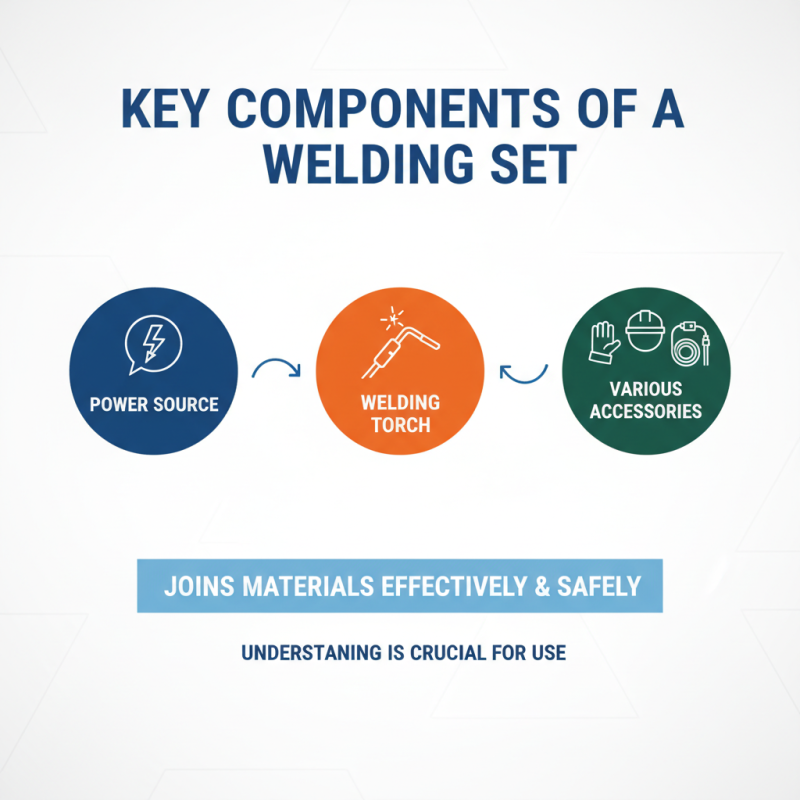
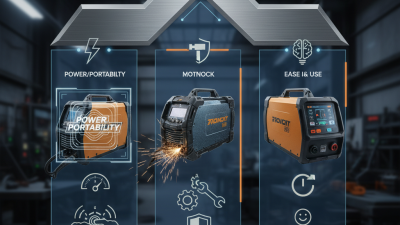
A welding set is a combination of tools and equipment that allows for the joining of materials. It usually consists of a power source, welding torch, and various accessories. Understanding its key components is crucial for effective use.

The power source is the heart of any welding set. It provides the energy needed for welding. This can be in the form of electricity or gas. Different processes require different sources. The welding torch is another essential component. It focuses energy to the specific area where the materials will join. The flame or arc produced must be controlled carefully.

Accessories play a significant role in welding. Items like clamps and protective gear ensure safety and precision. Clamps hold materials firmly in place, while gear protects users from heat and sparks. Learning to choose the right accessories is essential. One might struggle with selecting matching components. It's important to experiment with various setups to find the most effective one for your projects. Each experience can lead to better techniques and outcomes.

Types of Welding Processes Utilized

Welding processes are varied and specialized. Each technique serves unique applications in the manufacturing and repair industries. The most common types include MIG, TIG, Stick, and Flux-Cored welding.

MIG welding, or Metal Inert Gas welding, is widely used for its efficiency. It utilizes a continuous wire feed and protective gas to create a strong bond between metals. TIG welding, or Tungsten Inert Gas welding, offers precision. It involves a non-consumable tungsten electrode and requires skills to control the heat effectively.

Stick welding is simpler and more versatile. It uses a consumable electrode and is ideal for outdoor work. Flux-Cored welding resembles MIG but uses a tubular wire filled with flux. This method is favored for its speed and ability to weld in various positions. Each type has its advantages and challenges. Understanding these differences is crucial for selecting the right process for a specific project.

Types of Welding Processes Utilized

How to Use a Welding Set Safely

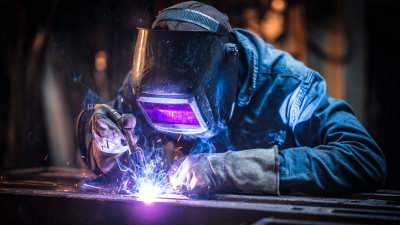
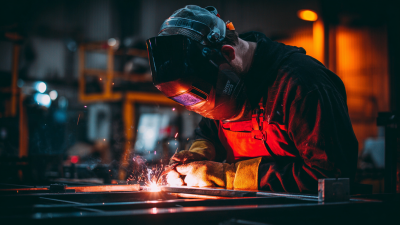
Welding involves high heat and precision. Using a welding set requires safety precautions. Protective gear is essential. Always wear a welding helmet and gloves. Ensure your clothing is flame-resistant. This will protect against burns and sparks.

Create a safe workspace. Keep flammable materials away from the area. Ventilation is crucial when welding indoors. Fumes can be harmful. Use a fan or work outside when possible.

Tips for safe welding: Check your equipment regularly. Inspect cables and connections before use. Always have a fire extinguisher nearby. Accidents can happen, so be prepared. Stay focused. Distractions may lead to errors and injuries. Understand the equipment well before starting your project.

What is a Welding Set and How Does it Work? - How to Use a Welding Set Safely

Aspect Description Safety Tips
What is a Welding Set? A welding set is a collection of equipment used for welding metal pieces together through the application of heat and pressure. Ensure the area is well-ventilated before starting welding.
Components It typically includes a welding machine, electrodes or filler rods, safety equipment, and protective gear. Always wear a welding helmet, gloves, and protective clothing.
Types of Welding Common types include MIG, TIG, stick welding, and flux-cored welding. Keep a fire extinguisher nearby during welding operations.
Operating Principles Welding works by melting the base metal and the filler material to form a strong joint. Check for any gas leaks if using gas welding.
Maintenance Regularly inspect and clean the equipment to ensure safe and efficient operation. Disconnect equipment from power supply when not in use.

Maintenance Tips for a Welding Set

Maintaining a welding set is crucial for achieving optimal performance. Regular cleaning is essential. After each use, ensure you wipe down the welding machine to remove any dust or debris. This simple step can prevent overheating and prolong the life of your equipment. Check the cables and hoses for wear. Damaged components can lead to safety hazards and poor weld quality.

Additionally, inspect the welding torch regularly. Replace worn tips and nozzles as needed. A clogged torch can affect your welds. It leads to inconsistent heat distribution. Calibration is another important aspect. Periodically calibrate your welding machine to ensure precise settings. Misalignment can result in defects in your work. Don't overlook the importance of lubricating moving parts to prevent friction-related damage.

Finally, always store your welding set in a dry, safe place. Moisture can corrode metal parts. Take time to assess your setup periodically. Reflect on your maintenance practices. Small oversights can lead to bigger issues down the line. A proactive maintenance routine ensures safer, more efficient welding sessions. Every detail counts in this demanding field.