Why Choose Electric Welding for Your Next Project?
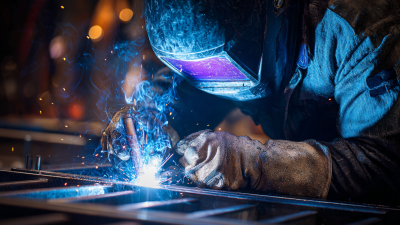
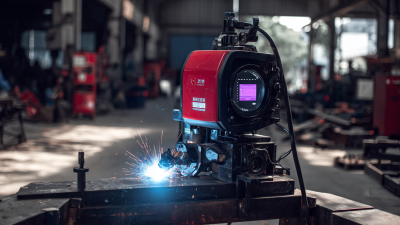
Electric Welding has transformed the way we approach many projects. Experts like Dr. Emily Strong, a leader in welding technology, affirm its advantages. She once stated, “Electric Welding offers precision and efficiency that traditional methods simply cannot match.” This technology is not merely a tool; it reshapes the craftsmanship in modern applications.
Electric Welding is celebrated for its speed and flexibility. Many industries, from automotive to construction, benefit greatly from its use. Welding techniques have evolved, aiming to meet the unique demands of each project. However, some may overlook potential challenges, such as the initial setup costs and the need for specialized training.
The choice of Electric Welding often hinges on the specific requirements of a project. A deeper understanding of its nuances can lead to more successful outcomes. Importantly, while this method boasts numerous benefits, the need for skill and careful handling remains critical. Balancing speed with safety is essential to ensure high-quality results.
Advantages of Electric Welding Compared to Traditional Methods
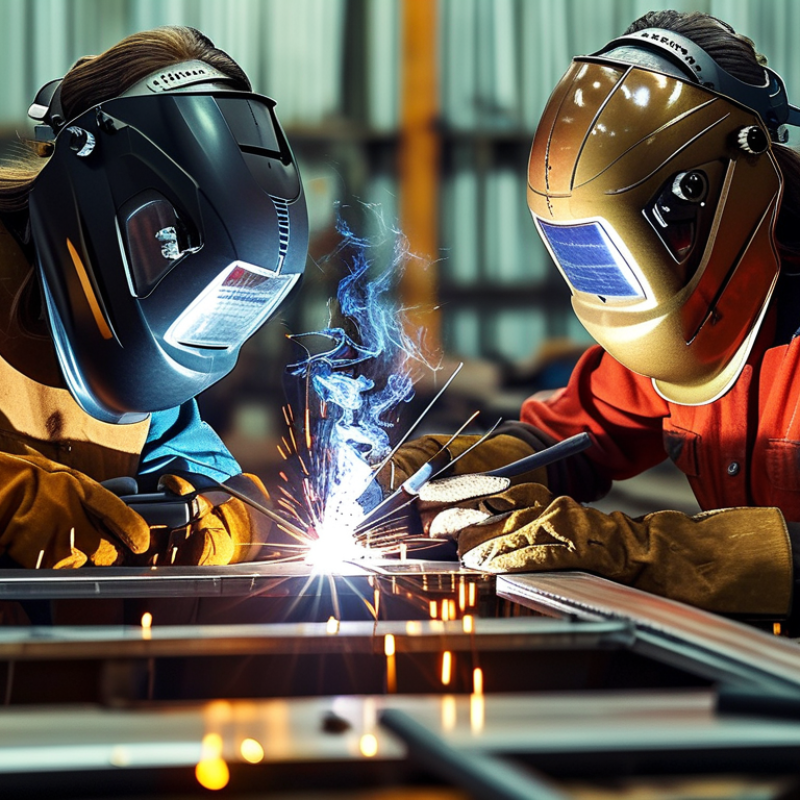
Electric welding has gained popularity for various projects due to its efficiency and ease of use. This method uses electrical energy to create heat, melting the base materials for a strong bond. Reports show that electric welding can improve productivity by up to 30% compared to traditional methods. Additionally, it offers better control over heating, reducing the risk of warping metals.
Many tradespeople appreciate the portability of electric welding equipment. It allows for work in diverse conditions, from construction sites to home workshops. However, not all electric welding processes are the same. For example, the arc welding technique can produce more spatter and requires consistent practice to perfect. Seeking thorough training can help mitigate these issues.
Tips: Always check for the quality of the power supply before starting. A reliable power source can enhance performance. Moreover, keep safety gear handy. This reduces risks, especially when working with high voltages. Consistent use of equipment maintenance also boosts reliability and longevity.
Types of Electric Welding Techniques Explained
Electric welding encompasses various techniques, each tailored to specific applications and materials. Among the most commonly used techniques are Shielded Metal Arc Welding (SMAW), Gas Metal Arc Welding (GMAW), and Gas Tungsten Arc Welding (GTAW). According to a report by the American Welding Society, nearly 50% of industrial welders utilize these methods regularly. Each technique has unique advantages, making it crucial for welders to choose wisely based on project requirements.
SMAW, known for its simplicity and versatility, is often preferred for outdoor projects. It performs well in various conditions and on thicker materials. This technique accounts for about 37% of all welding processes used across industries. GMAW, favored for its speed and efficiency, can increase productivity significantly. Studies indicate that using GMAW can boost welding output by up to 30% compared to traditional methods. GTAW excels in providing high-quality and precise welds, making it the go-to option for stainless steel and aluminum. Emphasizing the need for proper technique selection can reduce rework and improve overall project time.
However, the choices are not without challenges. Each technique demands specific skill levels, equipment, and safety precautions. As a result, inadequate training can lead to poor weld quality and potential hazards. Maintaining updated knowledge on industry standards is crucial for successful welding projects. The landscape of electric welding is continually evolving, pushing for innovation and advanced techniques to meet rising demands in manufacturing and construction.
Why Choose Electric Welding for Your Next Project? - Types of Electric Welding Techniques Explained
| Welding Technique |
Description |
Advantages |
Common Applications |
| MIG Welding |
Uses a continuous wire feed as an electrode to join materials. |
Fast, versatile, and easy to learn. |
Construction, automotive, and boat repair. |
| TIG Welding |
Involves a non-consumable tungsten electrode to produce the weld. |
Produces high-quality, precise welds with clean finishes. |
Aerospace, automotive, and art fabrication. |
| Stick Welding |
Uses an electrode coated in flux to melt and join metal pieces. |
Works in various environments, including outdoors and in windy conditions. |
Heavy equipment repair, construction, and shipbuilding. |
| Flux-Cored Arc Welding |
Similar to MIG welding but uses a tubular wire filled with flux. |
Excellent for thick materials and out-of-position work. |
Construction, heavy industry, and fabrication. |
| Submerged Arc Welding |
Involves the formation of an arc beneath a layer of granular fusible flux. |
High deposition rates and deep penetration. |
Manufacturing of large structures like ships and pressure vessels. |
Essential Equipment Needed for Electric Welding
Electric welding is an efficient and effective method for joining materials. To get started, essential equipment is necessary. Each piece serves a unique purpose and contributes to the welding process.
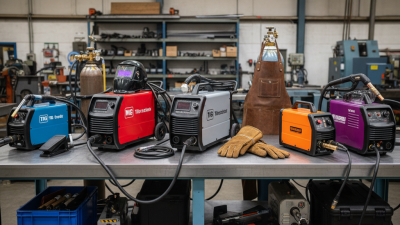
One key tool is the electric welder itself. Choose one based on the materials you plan to use. Options include MIG, TIG, and stick welders. A well-chosen welder can greatly improve the quality of your work. Protective gear is equally important. A welding helmet and gloves protect you from intense light and sparks. Wear flame-resistant clothing to avoid burns.
Additionally, a good welding table is crucial. It provides stability and helps in securing your workpiece. Consider clamps to hold materials in place. Proper ventilation is vital too. Ensure your workspace is well-ventilated to avoid inhaling harmful fumes. An organized workspace promotes safety and efficiency, but it can be easy to overlook. Plan for the equipment you'll need before starting your project to avoid missing essential tools. Remember, preparation can significantly influence the outcome of your welds.
Common Applications of Electric Welding in Various Industries
Electric welding is widely used across various industries due to its versatility. In construction, this method is essential for joining metal structures. The strength of welded joints ensures the safety and durability of buildings. Factories utilize electric welding for assembling machinery. This creates robust connections that withstand heavy use.
In the automotive industry, electric welding is critical for manufacturing vehicles. It allows for precise assembly of parts. This is vital for enhancing vehicle safety and efficiency. However, not all projects will benefit equally from electric welding. Careful consideration of material types and project requirements is necessary.
Electric welding also plays a role in the shipbuilding industry. Ships require strong welds to handle harsh marine environments. Yet, achieving the right weld quality can be challenging. Inconsistent techniques may lead to defects, which are costly to repair. Familiarizing oneself with best practices can mitigate these issues.
Safety Considerations and Best Practices for Electric Welding
Electric welding, a common technique in construction and manufacturing, requires a serious focus on safety. In 2020, the U.S. Bureau of Labor Statistics reported that welding-related injuries occurred at a rate of 4.4 per 1,000 workers. This statistic underscores the importance of adopting safety measures to minimize risk. Proper protective equipment is essential. Welders should wear gloves, face shields, and fire-resistant clothing. This gear is crucial, as flash burns and exposure to harmful fumes can lead to long-term health issues.
While electric welding can be efficient, challenges exist. One frequent issue is the presence of electrical hazards. The National Fire Protection Association found that electrical fires accounted for 12% of all reported fires in 2021. Ensuring proper grounding of equipment can prevent shock and fire risks. Regularly inspecting cables and connectors ensures they remain in optimal condition.
Moreover, maintaining a clean workspace minimizes debris hazards. Spattered molten metal and flammable materials can ignite quickly. Reports indicate that over 60% of welding accidents are related to poor housekeeping. Training workers in these best practices is vital. With systematic training, the industry can reduce risks and bolster safety measures effectively.

 WeChat Online Service