2026 Top Welding Set Trends Every Global Buyer Should Know?
As we approach 2026, the welding industry is poised for significant transformation. The rising demand for innovative Welding Set solutions highlights the importance of understanding current trends. Buyers worldwide must adapt to meet the evolving needs of various sectors, including construction and manufacturing.
The market is witnessing advancements in technology, materials, and techniques. These changes affect how professionals select their Welding Set. Efficiency, safety, and precision are paramount in today’s competitive landscape. Emerging trends will shape future products, making it vital for buyers to stay informed.
However, navigating these trends is not without challenges. The sheer number of options can be overwhelming. Buyers may find it hard to identify the most reliable suppliers or products that best fit their needs. Continuous learning and market research will be critical in making informed decisions about Welding Sets in this dynamic environment.
Emerging Technologies in Welding Equipment for 2026
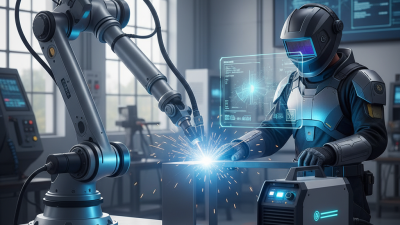
The future of welding equipment is being shaped by emerging technologies. Throughout 2026, innovation will be key. Advanced automation, including robotic welding, is set to revolutionize how industries operate. Robots can work faster and more precisely than humans, reducing costs and increasing safety. This technology will also minimize human error, leading to a higher consistency in weld quality.
Another noteworthy trend is the rise of smart welding devices. These tools will monitor parameters like heat and speed in real time. They will communicate this data via cloud technology, allowing for remote troubleshooting. This capability not only improves efficiency but also helps in predictive maintenance. However, reliance on these technologies brings a potential risk. If not managed properly, data privacy could become an issue.
Additionally, eco-friendly practices are gaining traction in welding. Sustainable materials are being embraced, offering both performance and environmental benefits. Yet, while these practices are commendable, they may require extra training and adaptation. The integration of environmentally friendly methods is not without challenges. Overall, welding in 2026 will balance technological advancement and sustainability.
Sustainable Welding Practices Shaping Buyer Preferences
Sustainable welding practices are transforming the industry. Buyers prioritize eco-friendly techniques that reduce waste and energy use. Many companies are adopting advanced technologies to create cleaner welds. This shift helps minimize environmental impact while ensuring high-quality results.
New materials are also emerging in the market. Recycled metals and environmentally friendly fillers are gaining popularity. These innovations appeal to conscious buyers who seek sustainable options. However, transitioning to these practices can pose challenges. Some users may struggle with performance consistency when using alternative materials.
Education is key in this evolving landscape. Workers require training to adapt to new standards. Understanding the benefits of sustainable practices can drive more informed purchasing decisions. As the welding industry grows, so too will buyer preferences toward sustainability. Keeping up with these trends is essential for long-term success.
The Impact of Automation on Welding Set Trends
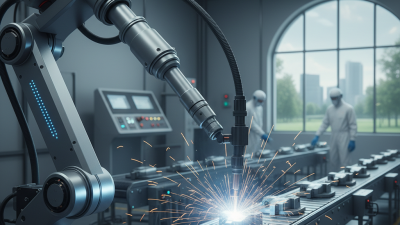
The impact of automation on welding set trends is undeniable. Automation streamlines processes, improving efficiency and precision. It allows for better consistency in weld quality, reducing human error. As automation technology advances, more companies are adopting robotic welding systems. These systems not only enhance productivity but also reduce labor costs.
Incorporating automation leads to new skill requirements. Workers need to learn how to operate and maintain these advanced systems. Training programs are essential for bridging this skills gap. Companies should invest in the development of their workforce. This ensures that employees are equipped to handle modern machinery. It also helps in reducing resistance to change within the workforce.
When considering automation, it’s vital to evaluate your specific needs. Not every company will benefit equally from automation. Assess your production volume and complexity before implementing changes. Taking an incremental approach can help you adapt smoothly to new technologies. Engaging employees in the transition process can foster a positive environment.
Key Materials Driving Innovation in Welding Tools
Welding technology is evolving rapidly. Key materials are driving this innovation. Advanced welding tools are now incorporating lightweight composites and high-strength alloys. These materials enhance durability and reduce overall weight. Consequently, welders can achieve better maneuverability and efficiency.
Another breakthrough is the use of smart technologies. Integrating sensors helps monitor the welding process in real-time. This practice enhances precision and minimizes errors. Welders are becoming more reliant on data analysis. However, it's crucial to remember that advanced tools require proper training. Adapting to new technologies may pose challenges.
For those considering upgrades, focus on compatibility. Ensure new materials align with existing systems. Test new tools before full-scale implementation. This trial can reveal potential flaws. Rely on well-reviewed sources for guidance. Community feedback can also provide valuable insights.
2026 Top Welding Set Trends Every Global Buyer Should Know
Global Market Influences on Welding Equipment Design
The landscape of welding equipment design is evolving under the influence of global market trends. Environmental concerns push manufacturers to adopt sustainable practices. The call for eco-friendly materials resonates across industries. Clients increasingly demand equipment with low emissions. High energy efficiency is also becoming non-negotiable in welding solutions.
Technology integration plays a key role in shaping modern welding tools. Automation and robotics are no longer optional; they are essential for efficiency. Advanced software enhances precision and monitoring. However, navigating these technologies can be overwhelming for some users. Balancing innovation with user-friendliness remains a challenge.
Economic factors continually affect welding equipment design. Supply chain disruptions can alter material availability. This unpredictability compels companies to rethink sourcing strategies. Ultimately, the global market influences not just design but also pricing and functionality. It’s crucial for buyers to stay informed about these dynamics. Being proactive can lead to more informed purchasing decisions.
2026 Top Welding Set Trends Every Global Buyer Should Know - Global Market Influences on Welding Equipment Design
| Trend |
Description |
Impact on Market |
Adoption Rate (%) |
| Automation in Welding |
Increasing use of robotic welding systems for efficiency. |
Higher productivity and reduced labor costs. |
45 |
| Eco-Friendly Materials |
Shift towards sustainable and recyclable materials. |
Enhanced brand image and compliance with regulations. |
40 |
| Advanced Welding Techniques |
Adoption of laser and hybrid welding technologies. |
Improved precision and reduced weld time. |
50 |
| Digitalization in Welding |
Implementation of IoT and AI in welding processes. |
Real-time monitoring and predictive maintenance. |
35 |
| Safety Innovations |
Development of advanced personal protective equipment (PPE). |
Reduction in workplace accidents. |
60 |

 WeChat Online Service