Top China Best Welding Equipment for Global Buyers?
In today's global market, the demand for high-quality welding equipment is on the rise. Buyers are increasingly seeking reliable tools that enhance productivity and ensure safety. Renowned welding expert Dr. John Smith emphasizes the significance of making informed choices in this industry. He states, "Quality welding equipment serves as the foundation for successful projects."
As manufacturers in China continue to innovate, they offer advanced solutions for various welding needs. For instance, lightweight MIG welders are transforming small workshop operations. These tools combine efficiency with ease of use. However, not all products meet the rigorous standards buyers expect. It is essential for global customers to research thoroughly before making selections.
Furthermore, the complexity of welding equipment often leads to confusion among buyers. Many struggle to identify the features that matter most. Skilled welders may have specific preferences, while newcomers could find the options overwhelming. Therefore, having guidance and understanding the industry trends is crucial for achieving the best outcomes.
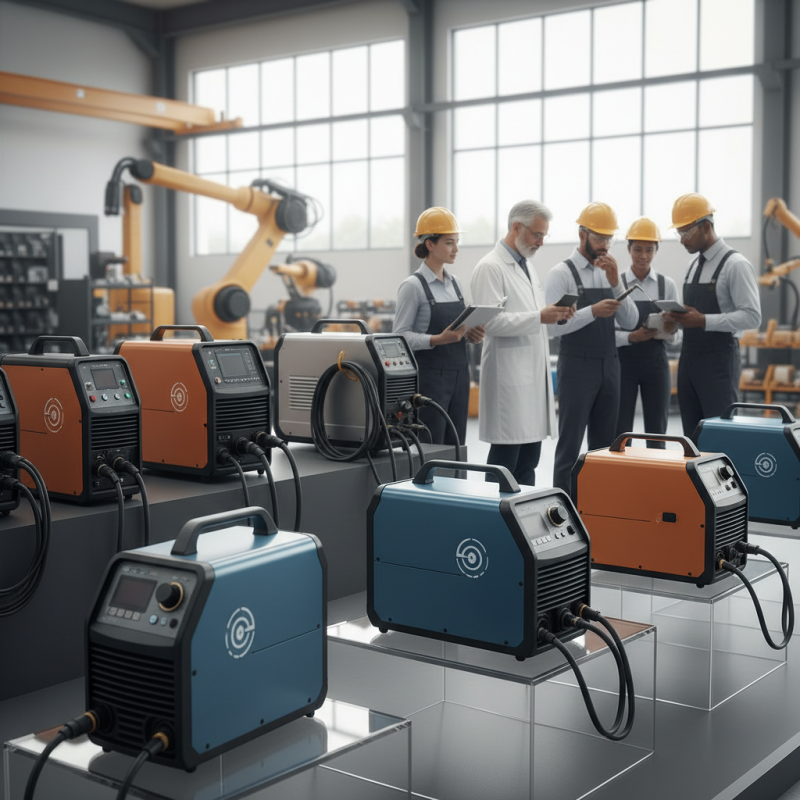
Overview of Welding Equipment Market in China
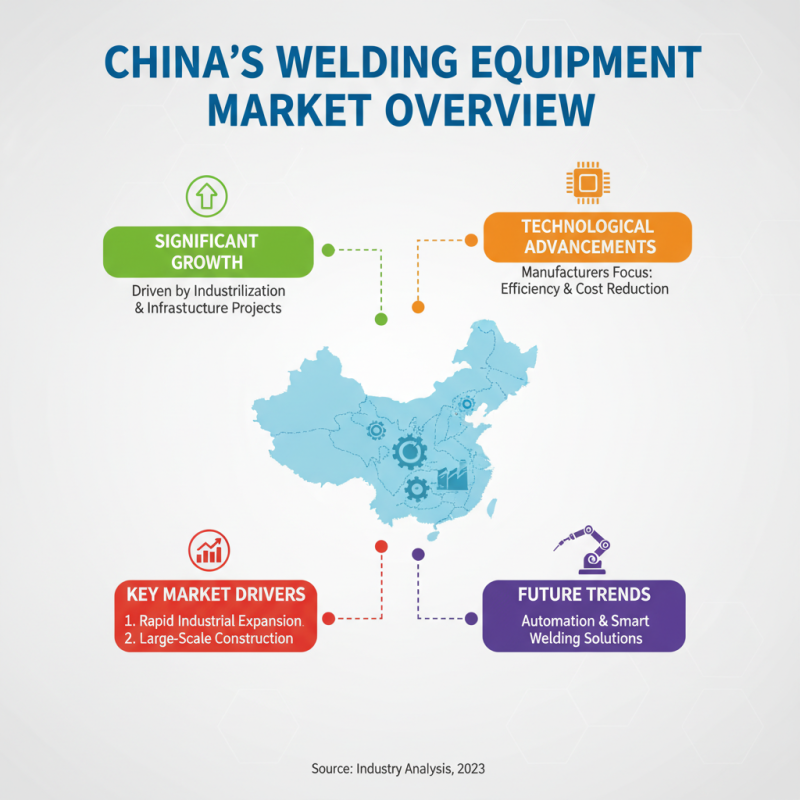
The welding equipment market in China has experienced significant growth in recent years. This surge is fueled by increasing industrialization and infrastructure projects across the country. Manufacturers are focusing on developing advanced technologies. These innovations improve efficiency and reduce operational costs.
A diverse range of welding equipment is available. From arc welding machines to laser welders, buyers can find a suitable option. The local production lowers costs, making these tools accessible to global buyers. However, quality can vary greatly among manufacturers. It's crucial to do your research before making purchases.
Tips: Always check for certifications and compliance with international standards. This ensures safety and reliability. Don’t hesitate to request product samples or demonstrations, if possible. This helps in understanding the equipment's performance. Evaluating feedback from other users can also provide valuable insights into the equipment's quality and functionality.
Leading Chinese Manufacturers of Welding Equipment
When exploring leading Chinese manufacturers of welding equipment, several key factors come into play. Chinese firms are known for their innovation and affordability. Their products cater to various industries, including automotive and construction. Many manufacturers invest heavily in research and development, enhancing product performance. This commitment to quality helps them stand out in a competitive global market.
However, not all products meet international standards. Some equipment may lack the durability expected by global buyers. It's crucial to conduct thorough research. Requesting certifications and highlighting quality control measures are essential. Customers must also consider the after-sales support provided by these manufacturers. Reliable customer service can be a game-changer in selecting the right welding equipment.
Many companies are embracing greener technologies. This shift reflects a growing awareness of environmental issues. Despite progress, challenges remain. The global demand for sustainable practices continues to rise, pushing manufacturers to adapt quickly. Overall, the landscape of welding equipment in China presents exciting opportunities and noteworthy challenges. Choosing the right manufacturer requires careful consideration and informed decision-making.
Types of Welding Equipment Popular Among Global Buyers
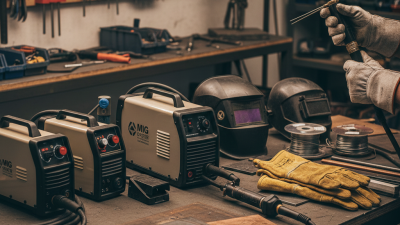
Welding equipment plays a crucial role in various industries, from construction to automotive manufacturing. Global buyers often seek equipment that meets specific needs and standards. A popular choice is MIG (Metal Inert Gas) welding systems. These systems are praised for their versatility and ease of use. They excel in providing a clean finish, making them ideal for both beginners and experienced welders.
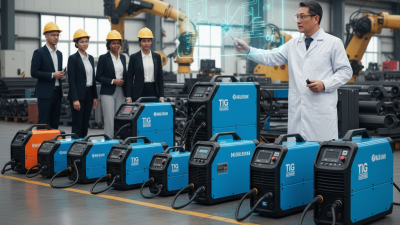
TIG (Tungsten Inert Gas) welding is also favored by many professionals. This method delivers precision and control, especially for thin materials. TIG welding requires more skill, but the results can be outstanding. Buyers appreciate the quality of welds that TIG equipment produces, often leading to greater satisfaction.
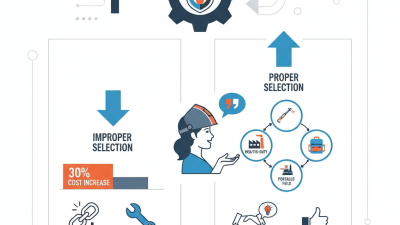
While these types are widely accepted, the challenge lies in selecting the right equipment for the specific application. Some users may find the learning curve steep. Additionally, not all equipment performs consistently under different conditions, which can lead to frustration. Reflecting on these experiences is essential for improvement and product choice. Ultimately, understanding the nuances of each equipment type helps buyers make informed decisions.
Key Features and Innovations in Chinese Welding Technology
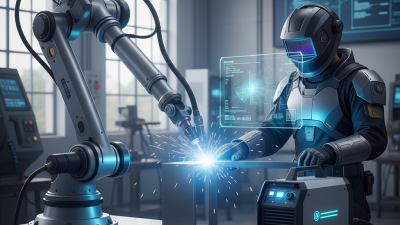
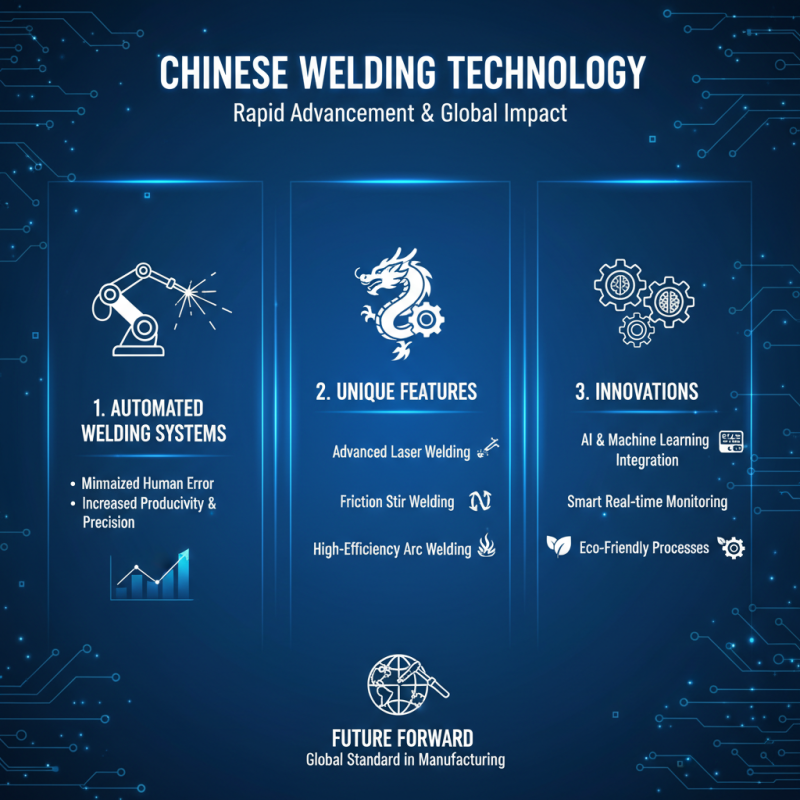
Chinese welding technology has rapidly advanced, showcasing unique features and innovations. Many equipment manufacturers focus on enhancing efficiency and precision. Automated welding systems are gaining popularity. These systems minimize human error and boost productivity.
Tips: When choosing welding equipment, consider your specific needs. Different materials and project requirements call for varied technology.
Another key innovation is the integration of digital controls. Modern welders now utilize smart technology for better monitoring. This feature enables real-time adjustments during operation. As a result, weld quality improves, and wastage reduces.
Tips: Always check for compatibility when integrating new technology into existing setups. Misalignment may occur without proper planning.
Chinese welding equipment often highlights energy efficiency. Sustainable practices are becoming a priority. Equipment designed with lower power consumption leads to cost savings. Yet, some manufacturers may overlook compliance with international standards, raising concerns. Always verify certifications for reliability.
Evaluating Price vs. Quality in Chinese Welding Equipment
When evaluating the price vs. quality of Chinese welding equipment, several factors come into play. Many buyers are drawn to the competitive pricing, which often reflects lower production costs. However, this does not always guarantee high quality. Some products may lack durability and reliability, leading to long-term expenses.
A critical aspect to consider is the materials used in manufacturing. Cheaper equipment may employ subpar components, which can affect performance. On the other hand, investing slightly more upfront can yield machines that last longer and require fewer repairs. A balance between initial cost and lifespan is essential for making wise purchasing decisions.
Customer feedback can also provide insights. Some experienced welders highlight issues with specific low-cost models. Others share positive experiences with mid-tier options. These reflections are crucial for potential buyers. They should seek out reviews and testimonials to make informed choices. Ultimately, understanding the trade-offs between price and quality is vital in selecting the right welding equipment.

 WeChat Online Service