Top 10 Benefits of Stainless Steel Welding for Industrial Applications
In modern industrial applications, Stainless Steel Welding has become a cornerstone of effective production processes. This technique not only enhances the durability of structures but also provides significant benefits in terms of safety and efficiency. Various industries, including automotive and construction, rely on stainless steel for its corrosion resistance and strength.
Moreover, Stainless Steel Welding offers versatility in fabrication. It enables the creation of complex shapes and designs that meet specific project requirements. However, the skill level of welders can greatly impact the outcome. Proper training and experience are crucial to achieving high-quality results. As industries evolve, the demand for skilled professionals in stainless steel welding continues to grow, highlighting the importance of ongoing education.
As we explore the top benefits of this welding technique, it’s essential to recognize that while it offers many advantages, challenges remain. Welders must stay updated with the latest techniques and technologies to overcome these hurdles. A commitment to excellence in stainless steel welding is vital for maintaining industry standards and ensuring project success.
Benefits of Stainless Steel Welding in Industrial Settings
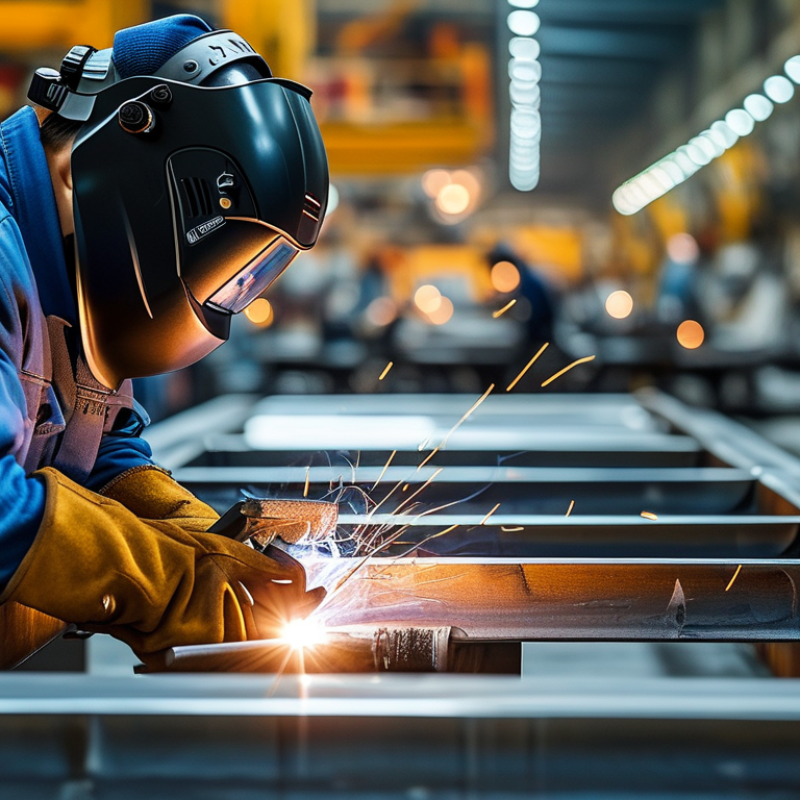
Stainless steel welding offers numerous advantages in industrial settings, making it a preferred choice among manufacturers. One significant benefit is its corrosion resistance. This attribute is crucial for industries like food processing and pharmaceuticals, where hygiene is paramount. Using stainless steel minimizes contamination risks.
Welding stainless steel also ensures strong joints that can withstand extreme temperatures and pressures. This durability extends the lifespan of equipment, reducing the frequency of replacements. Better yet, stainless steel components need less maintenance. This feature saves both time and money for businesses.
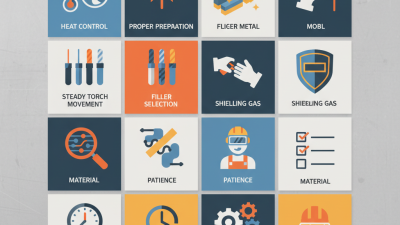
Tips for effective stainless steel welding include ensuring proper joint design. A well-thought-out joint is vital for achieving robustness. Additionally, maintaining clean surfaces before welding can enhance the quality of the weld. Use the right filler material to match the stainless steel grade you are working with. Each detail plays a part in achieving the best results.
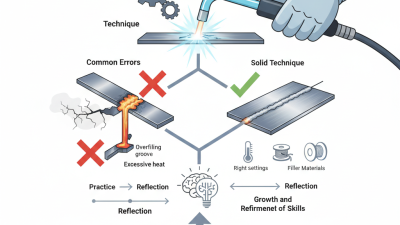
Despite its many advantages, challenges remain. For example, achieving a proper temperature during welding can be tricky. Too much heat may distort the material, while insufficient heat can lead to weak joints. It's essential to practice and adjust techniques regularly to overcome these hurdles. Experience will guide improvement over time.
Enhanced Corrosion Resistance in Welded Structures
Stainless steel welding offers substantial benefits, particularly enhanced corrosion resistance in industrial settings. According to a report by the International Stainless Steel Forum, stainless steel possesses a unique ability to resist corrosion due to its high chromium content. This chromium forms a protective oxide layer, crucial for minimizing rust and degradation over time. In environments where moisture and chemicals are prevalent, such as coastal or chemical processing areas, stainless steel welded structures hold an advantage over carbon steel.
Corrosion resistance is not just beneficial; it is necessary for safety and longevity. A study by the National Institute of Standards and Technology indicates that structures made from welded stainless steel can last up to 50% longer than those made from traditional materials when exposed to harsh conditions. This durability translates into lower maintenance costs and fewer replacements, allowing industries to allocate resources more effectively.
Tip: Always inspect welds for defects. Even small flaws can compromise corrosion resistance.
While stainless steel is advantageous, it's important to recognize potential challenges in welding. For instance, overheating during the welding process can weaken corrosion resistance, leading to unexpected failures. Additionally, achieving the right joint design is crucial to prevent stress concentration, which can accelerate corrosion.
Tip: Optimize your welding parameters by consulting with experts for the best results.
Improved Durability and Longevity of Welded Components
Stainless steel welding offers significant advantages, especially in terms of durability and longevity. Components fabricated from stainless steel have an impressive resistance to corrosion and wear. This makes them ideal for demanding industrial environments, such as in food processing or chemical manufacturing. Over time, these welded components retain their structural integrity, even under stress.
However, not all welds guarantee superior durability. It’s crucial to select appropriate welding techniques and filler materials. Poorly executed welds can lead to premature failures. Regular inspections and proper maintenance play a vital role in ensuring longevity. Welders must remain vigilant about their techniques.
Investing in stainless steel welding is not just about immediate results. It's about the long-term performance of the equipment. Businesses need to weigh the benefits against the potential for failure if inferior methods are used. This approach helps in making informed decisions that enhance the resilience of welded components.
Cost-Efficiency Through Labor and Material Savings
Stainless steel welding presents significant advantages in industrial applications, especially regarding cost-efficiency. The process minimizes material waste. This is crucial, as every ounce of stainless steel is valuable.
Precision welding techniques yield stronger joints, which enhances the longevity of equipment. As a result, companies save on both replacement costs and maintenance.
Labor savings are another key factor. Skilled welders perform tasks more efficiently with stainless steel. Training for these professionals focuses on best practices and the latest methodologies.
Streamlined processes reduce time spent on projects, leading to increased productivity. However, hiring qualified welders can be challenging. The industry faces a skills gap that requires attention. Investing in training programs might be necessary to fully realize the benefits of stainless steel welding.
Stainless steel is also less prone to corrosion. This quality leads to fewer repairs and lower overall project costs. Industrial applications, such as food processing or marine environments, benefit tremendously. Yet, the initial investment in stainless steel can be higher than other materials. Companies must weigh short-term costs against long-term savings. Understanding this balance is essential for making informed decisions.
Versatility of Stainless Steel in Diverse Industrial Applications
Stainless steel has emerged as a versatile material across various industrial sectors. Its corrosion resistance, durability, and aesthetic appeal make it ideal for automation, food processing, and construction. According to a report from the International Stainless Steel Forum, the global demand for stainless steel reached around 50 million metric tons in 2020, underscoring its significant role in industrial applications. Manufacturers are increasingly adopting stainless steel welding techniques to capitalize on these benefits.
Welding stainless steel fosters strong, reliable structures. Industries utilize it for pipeline welding, automotives, and kitchen equipment. As noted in a study by the American Welding Society, proper stainless steel welding can improve joint strength by up to 50%. However, challenges exist. Variables such as temperature control and alloy selection must be considered to avoid defects.
Tip: Always choose the right filler material for welding stainless steel. It can significantly influence the quality of the weld. Experiment with different techniques to find the best approach specific to the application. Another point to reflect on is the importance of proper training for welders. Competence in manipulating stainless steel requires experience and practical knowledge.
Conclusion
Stainless Steel Welding offers numerous advantages that make it a preferred choice in various industrial applications. One of the primary benefits is its enhanced corrosion resistance, which ensures the longevity and reliability of welded structures even in harsh environments. This corrosion resistance, coupled with the improved durability of welded components, means that industries can depend on these materials for extended periods, thereby reducing the frequency of replacements and repairs.
Moreover, stainless steel welding is known for its cost-efficiency, as it leads to significant savings in both labor and materials. The versatility of stainless steel allows it to be employed in diverse applications ranging from construction to manufacturing, making it an essential component in modern industry. Additionally, the environmental benefits of stainless steel welding techniques highlight its sustainability, further solidifying its role as a vital solution for industrial needs.

 WeChat Online Service