Discover the Best Smaw Arc Welding Techniques for Global Buyers
Smaw Arc Welding, short for Shielded Metal Arc Welding, is a vital technique in the welding industry. It combines simplicity with versatility, making it popular among global buyers. This method involves using a consumable electrode coated in flux, which protects the weld from contamination. As industries demand more robust materials, understanding Smaw techniques becomes essential for professionals.
Many welders embrace Smaw for its portability and cost-effectiveness. It is widely used in construction and metal fabrication. Yet, mastering this technique is not without challenges. The quality of the weld depends on various factors, including the welder's skill and technique. Novices may struggle, highlighting the importance of training and practice.
In this guide, readers will uncover effective Smaw Arc Welding techniques. By exploring expert insights and practical tips, buyers can enhance their skills. This knowledge can lead to higher quality outputs and improved efficiency. As we dive into the details, reflect on your current practices. Consider how you can adapt and refine your approach to Smaw Arc Welding for better results.
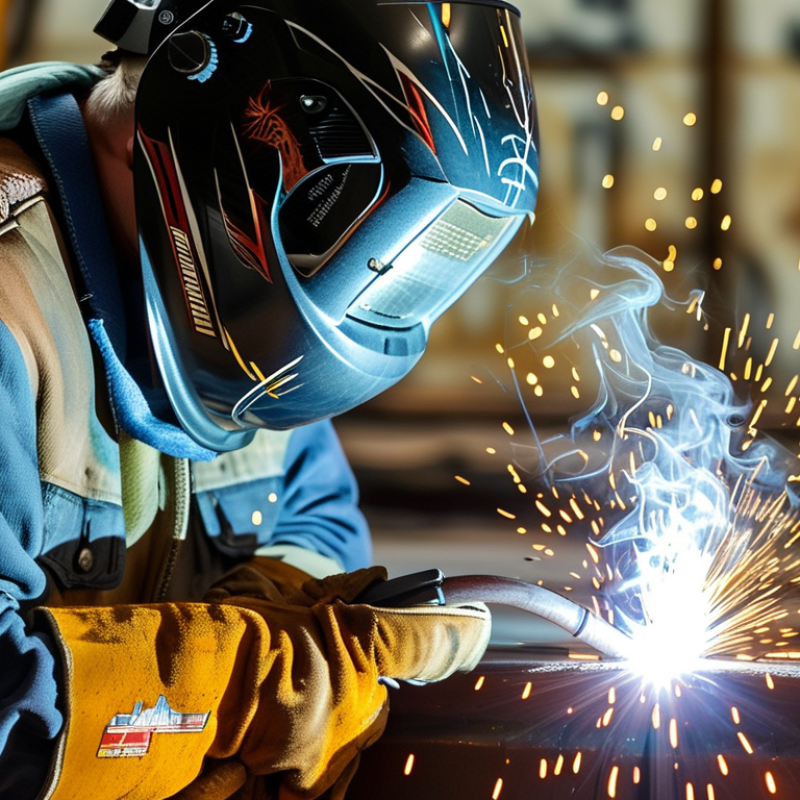
Understanding Smaw Arc Welding: An Overview of Techniques
SMAW, or Shielded Metal Arc Welding, is a versatile technique used globally. This method involves a consumable electrode and a protective shield to create a strong bond. The process requires skill and practice, making it essential for welders to understand various techniques in SMAW.
Different positions and angles impact the quality of the weld. For instance, overhead welding presents challenges, such as molten metal dropping or poor penetration. Welders must adjust their technique accordingly. Mastering these nuances can be difficult, yet it is crucial for optimal results.
Technique selection based on the base material is also vital. Steel, cast iron, and alloy materials require specific approaches. A thorough understanding of these factors helps improve the welder's skills. There's always room for growth and reflection in this craft. Each project provides lessons, and both successes and failures are part of the learning process. The world of SMAW demands adaptability and commitment to excellence.
Essential Equipment for Smaw Arc Welding Success
SMAW (Shielded Metal Arc Welding) is a versatile and widely used welding technique. To achieve success, the right equipment is essential. The welding machine is the heart of any SMAW setup. It should provide a stable arc and adjustable amperage to suit different electrode types. Quality machines can ensure efficiency and consistent welds.
Electrodes play a critical role in the SMAW process. Selecting the appropriate type and size is crucial for successful applications. A report from the American Welding Society indicates that using the right electrode can increase productivity by nearly 30%. For safety, personal protective equipment (PPE) must not be overlooked. This includes helmets, gloves, and protective clothing.
Interestingly, many beginners underestimate the importance of maintaining their equipment. Regular checks can prevent failures that disrupt the welding process. According to industry insights, around 20% of project delays stem from equipment-related issues. Investing in good maintenance practices can lead to smoother operations and reduce downtime.
Mastering Fundamental Techniques in Smaw Arc Welding
Mastering Smaw arc welding requires dedication and a willingness to refine your skills. This technique, also known as Shielded Metal Arc Welding, is foundational for many welders. Proper practice can lead to high-quality welds. However, even experienced welders must continually revisit fundamentals.
The choice of electrode is crucial. Different materials demand different rods. Understanding these nuances can elevate weld quality. Pay attention to arc length, travel speed, and angle. A miscalibrated arc can lead to defects. Inconsistent motion can create weak spots.
Safety should never be overlooked. Protective gear is essential for every session. Flash burns and fumes pose serious risks. Reviewing safe practices is vital for all. Staying vigilant ensures safety does not become an afterthought. The world of Smaw welding evolves, making it important to remain adaptable. Mistakes are part of the learning journey. Embrace them and move forward.
Common Challenges and Solutions in Smaw Arc Welding
SMAW arc welding is essential for many industries. However, it comes with challenges that welders often face. One common issue is electrode sticking. This problem can lead to defects in the weld. To avoid this, ensure the correct amperage settings are used. Frequent adjustments can save time and improve the quality of the weld.
Another significant challenge is the formation of slag inclusions. These occur when slag is trapped in the weld bead. This issue weakens the joint and affects durability. Cleaning the base metal thoroughly before welding can reduce the risk. Additionally, maintaining a stable arc length helps achieve a smoother finish.
Welders often struggle with inconsistent heat input. Too much heat can cause warping, while too little may lead to weak joints. Monitoring travel speed and electrode angle can help maintain balance. Finally, experienced welders recommend regular practice. Hands-on experience builds confidence and skill, making troubleshooting easier in real-world situations.
Tips for Selecting the Best Smaw Equipment for Global Buyers
When selecting SMAW (Shielded Metal Arc Welding) equipment, understanding the core requirements is essential. According to a 2021 report from the American Welding Society, 60% of welding professionals prioritize equipment reliability and ease of use. This statistic highlights the need to choose tools that can withstand demanding environments while ensuring operator comfort and safety.
A critical aspect to consider is the power supply. Most professionals recommend a machine that can operate on both 110V and 220V for versatility. For instance, portable models are ideal for job sites where accessibility is limited. Furthermore, electrode selection is vital. The American Welding Society's data indicates that 70% of welders prefer low hydrogen electrodes for their improved performance and lower risk of defects.
It's also important to evaluate the warranty and support services offered with the equipment. Many buyers overlook this aspect, yet, a long-term warranty can signify a manufacturer’s confidence in their product. Industry experts suggest that new welders often underestimate the learning curve associated with SMAW techniques. Investing in quality equipment while remaining open to learning can significantly improve welding results over time.
Discover the Best Smaw Arc Welding Techniques for Global Buyers - Tips for Selecting the Best Smaw Equipment for Global Buyers
| Technique |
Description |
Recommended Electrode Type |
Best Applications |
Safety Tips |
| Stringer Bead |
A straight weld bead that is used primarily for thin materials. |
E6011 or E6013 |
Sheet Metal, Pipe Welding |
Use proper ventilation to avoid fumes. |
| Weave Pattern |
A zigzag or circular motion to fill a wider groove. |
E7018 |
Thick Materials, Structural Steel |
Wear gloves and face shield at all times. |
| Foating Technique |
Maintaining a constant arc length and moving in fluid motion. |
E6013 |
Repair Works, General Fabrication |
Ensure proper PPE is worn. |
| Root Pass |
First weld in a multi-pass procedure, focused on penetration. |
E7016 |
Pipe Welding, Joint Preparation |
Inspect welds for defects immediately. |
| Multi-Pass Welding |
Layering welds to achieve desired thickness and strength. |
E7018 |
Heavy Structural Elements |
Keep workspace clean to prevent accidents. |
 WeChat Online Service