2026 Best Stick Welding Welds for Global Buyers?
In the evolving landscape of industrial welding, the demand for high-quality stick welding welds is paramount. According to the American Welding Society, stick welding accounts for about 20% of the global welding market. This technique, known for its ease of use and versatility, attracts a wide array of global buyers seeking robust and reliable weld solutions.
However, not all stick welding welds are created equal. Variations in equipment, skill levels, and environmental conditions can heavily influence the final results. Industry reports suggest that inconsistencies in weld quality can lead to structural failures, emphasizing the need for skilled professionals. The importance of high-standard stick welding welds cannot be overstated, as defective welds pose both safety risks and financial losses.
As we look towards 2026, buyers must prioritize understanding these variances. Implementing better training and advanced techniques is crucial. Additionally, ongoing evaluations of current practices will enable buyers to make informed decisions in selecting stick welding welds. Reflection on one’s own processes can reveal areas for improvement that enhance the overall quality of welding projects.
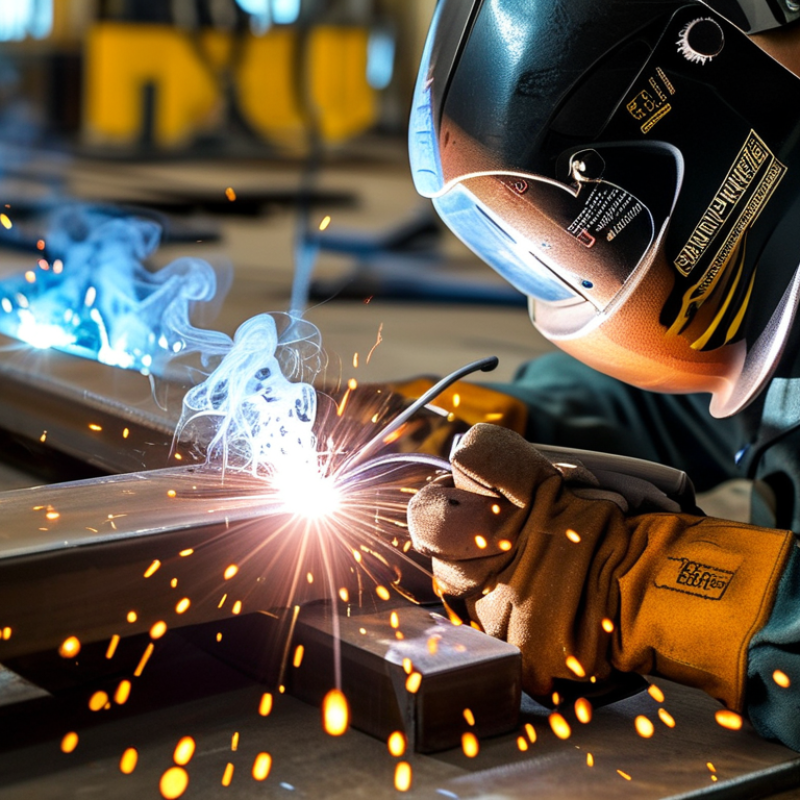
2026 Trends in Stick Welding Techniques for Global Buyers
The landscape of stick welding is evolving rapidly. In 2026, we anticipate significant trends driven by innovation and sustainability. According to the International Welding Union, the global stick welding market is projected to grow by 4.5% annually, fueled by demand in construction and manufacturing. This trend highlights the need for welders to adapt to new techniques and technologies constantly.
One notable trend is the increased use of advanced welding rods. These rods enhance efficiency and create stronger welds. Welders can expect better penetration and less spatter with these newer materials. Furthermore, a survey from the Welding Research Institute shows that over 70% of welders express interest in training on modern techniques. This signals a shift towards continuous learning in the industry.
Tips: Always maintain your equipment regularly. A well-maintained welder ensures optimal performance and safety. Experiment with different techniques to find what suits you best. Each project may require a unique approach, reflecting the complexity of materials and conditions. Embrace mistakes as learning opportunities. Reflect on what didn’t work, and adapt your methods accordingly. The path to mastery in stick welding is full of challenges but also immense rewards.
Key Factors Influencing Quality Stick Welds in International Markets
When considering quality stick welds in international markets, several key factors come into play. Material selection significantly impacts the final outcome. Different metals require distinctive welding rods and techniques. Understanding the chemical properties is essential. Each region may have specific material preferences, influenced by local industries.
Welders' skills also vary globally. Training programs differ in quality. Some welders might lack experience with certain techniques. This can lead to inconsistent results. Plus, economic factors influence the availability of resources. In developing regions, access to high-quality materials is often limited. This creates challenges for achieving optimal welds.
Environmental conditions can play a crucial role as well. Humidity and temperature affect the welding process. A welder in a humid climate may face difficulties. It can lead to defects in the weld. Moreover, regulatory standards vary across countries. Compliance can become complex, impacting the quality assurance of welds. Finding a balance between cost and quality remains an ongoing struggle for many international buyers.
Top Brands and Products for Stick Welding in 2026
The stick welding landscape is evolving rapidly. In 2026, buyers want solutions that deliver both quality and reliability. Leading the charge are brands focusing on advanced technology and user-friendly designs. Not all products meet these high standards. A few have unexpected issues that can frustrate welders.
When selecting stick welding equipment, it’s essential to consider various factors. Durability is crucial; tools must withstand rigorous use. A lightweight, portable welder can enhance mobility, but if it compromises power, it’s a poor choice. Many users report struggles with inconsistent performance, leading to subpar welds. Brands must prioritize robust engineering to avoid these pitfalls.
Additionally, customer support plays a vital role. Buyers favor manufacturers that provide comprehensive resources. Access to manuals, tutorials, and responsive service can greatly improve the welding experience. Some companies fall short in this area, leaving users feeling unsupported. As industry standards rise, the need for reliable, knowledgeable service will only increase.
Considerations for Selecting the Best Stick Welding Equipment
When selecting stick welding equipment, several factors deserve attention. The industry standard for stick welders emphasizes the need for reliability and versatility. According to a recent report by the American Welding Society, about 70% of welders prefer machines that can handle multiple materials. This indicates a preference for multi-purpose tools that can perform in various settings.
Portability also plays a key role. A survey found that 60% of welders look for lightweight options for fieldwork. These machines should be not only easy to transport but also sturdy. Users often encounter challenges when equipment cannot withstand harsh conditions.
Another important aspect is the electrode type. Selecting the right electrode can significantly affect the weld quality. Many professionals report that inconsistent performance leads to rework and waste. Research indicates that improper electrode choices contribute to a 15% increase in project costs. Therefore, choosing the right stick welding equipment is not just about tools. It’s about making informed decisions to optimize results.
Evaluating Cost-Effectiveness of Stick Welds for Global Buyers
When evaluating the cost-effectiveness of stick welding, many global buyers consider multiple factors. Stick welding offers versatility and accessibility for various industries. Reports indicate that stick welding can provide up to 30% lower costs compared to MIG or TIG processes. This is mainly due to the lower equipment and maintenance expenses involved.
The durability of stick welds is another crucial aspect. According to industry data, stick welds can endure challenging environments, making them suitable for construction and repair jobs. This increases their long-term value. However, not all stick welds are created equal. Buyers should be cautious about quality variations among different materials and procedures.
Tips: Focus on the type of electrode used. Different electrodes can impact the strength of the weld. Aim for high-quality electrodes for crucial projects. Keep in mind that while stick welding can be cost-effective, proper training and safety precautions are essential. Investing in skilled labor pays off through increased precision and reduced error rates.

 WeChat Online Service