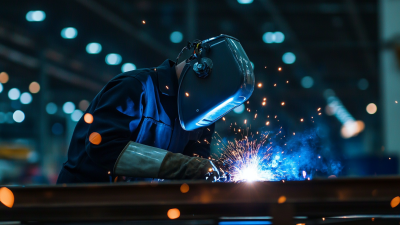
Best Wire Welder for Efficient Metal Fabrication?
In the world of metal fabrication, selecting the right equipment is crucial. According to industry expert John Smith, a seasoned fabricator, “The right Wire Welder can make or break your project.” This statement underlines the importance of choosing a quality wire welder, especially for efficient outcomes.
Wire welders provide versatility and speed in various welding applications. An efficient wire welder minimizes defects and enhances production rates. Choosing a model that combines precision and ease of use can significantly impact your work. Equipment failure can lead to delays and increased costs, making it imperative to select wisely.
Evaluating a wire welder’s features is essential for optimal performance. Consider factors like wire feed speed, duty cycle, and portability. These aspects play a vital role in determining the effectiveness of the welding process. Remember, even the best tools require skill and practice. Reflecting on your individual needs and the materials you'll work with is key to finding the best wire welder for your projects.
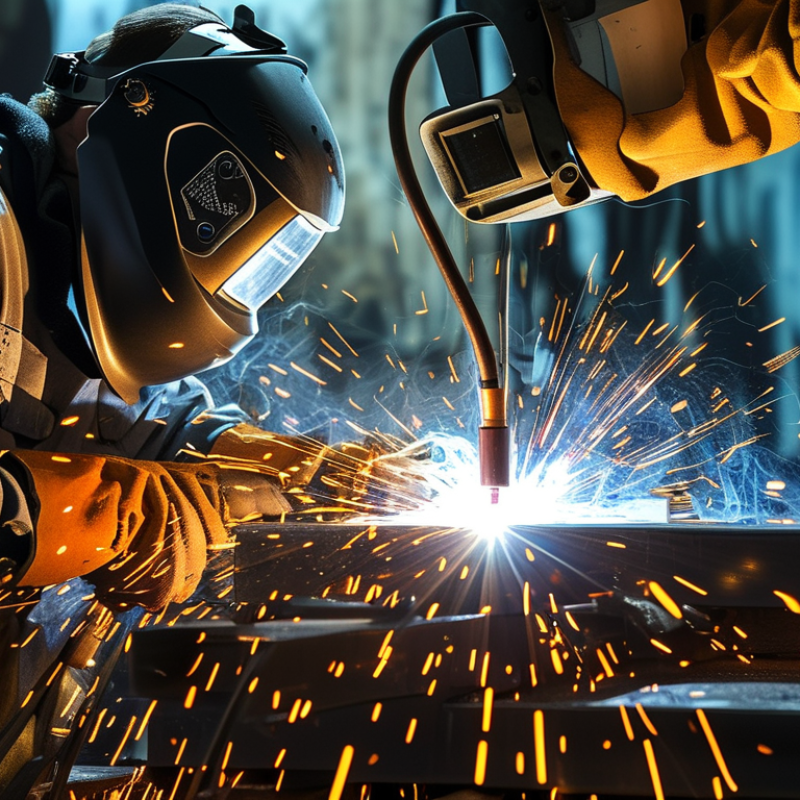
Choosing the Right Wire Welder for Your Metal Fabrication Needs
Choosing the right wire welder is essential for successful metal fabrication. Match the welder to your specific projects. Consider the materials you frequently work with and the thickness of the metals. Different processes, like MIG and flux-cored welding, each have unique advantages and limitations. Understanding these can enhance your output and reduce mistakes.
It’s crucial to focus on your experience and comfort level. Beginners may find a more user-friendly machine beneficial. Advanced users might seek a welder with more features for added control. Adjustability in voltage and wire feed speed can cater to diverse project needs. Don’t shy away from research and testing different models.
Sometimes, welding can produce unexpected results. This is a learning opportunity. Analyze any inconsistency in weld quality. Review settings, wire type, and even your technique. Experimenting can refine your skills and improve your outcomes. Keep notes on what works and what doesn't for future reference. Continuous learning is key in metal fabrication.
Types of Wire Welders: MIG, TIG, and Flux-Cored Overview
When it comes to wire welding, selecting the right type greatly impacts metal fabrication efficiency. MIG (Metal Inert Gas), TIG (Tungsten Inert Gas), and flux-cored welding are the primary types, each serving unique applications. According to the American Welding Society, MIG welding accounts for approximately 55% of all welding applications due to its speed and ease of use. This process is suitable for thin materials, making it a favorite among hobbyists and professional welders.
TIG welding, on the other hand, offers superior precision and control. It is ideal for welding non-ferrous metals and is often utilized in industries such as aerospace and automotive. The key advantage of TIG is its ability to produce clean and strong welds. However, it requires a higher skill level and can be slower than other methods. The National Institute of Welding Technology suggests that while TIG welding has a steeper learning curve, the results are often worth the effort.
Consider your project requirements when choosing a welder. Different jobs need different approaches. For thicker materials or outdoor work, flux-cored welding shines. It uses a tubular wire filled with flux and is particularly effective in windy environments. In contrast, MIG is not ideal for windy situations as it may compromise the arc.
Always practice safety first. Wear appropriate gear and work in a ventilated area. Achieving mastery in welding takes time and experimentation. Mistakes are part of the learning process, and adapting techniques will enhance skills over time.
Key Features to Consider When Selecting a Wire Welder
When selecting a wire welder, understanding key features is crucial. Power output is one aspect to consider. Higher amperage allows for thicker materials. However, too much power can lead to burn-through on thin metals. Aim for a welder that offers adjustable settings. This flexibility accommodates various tasks.
Another critical feature is wire feed speed. A consistent feed ensures even welds. If the feed is erratic, it can cause defects. So, evaluate models that have easy-to-tune settings to achieve better control. Additionally, take note of the welding processes supported by the machine. MIG welding is common for its speed and ease, but TIG offers precision for thinner materials.
When choosing, also think about portability. A lighter welder can be beneficial for onsite jobs. Sometimes, the best welder isn't the heaviest. It’s about what suits your needs. Some users report frustration with heavier models on larger projects. A balance between power and mobility is ideal.
Think about ease of use. Intuitive controls reduce the learning curve. Complicated setups can lead to mistakes. Finally, consider safety features. Look for thermal overload protection and good ventilation. These ensure safe operation, protecting both the operator and the machine. Aim for a wire welder that simplifies your work while delivering reliable results.
Best Wire Welder for Efficient Metal Fabrication
| Feature |
Description |
Importance |
| Welding Process |
MIG, TIG, or Flux-Cored |
Ensures versatility for different applications |
| Output Power |
Measured in Amperes |
Higher power for thicker materials |
| Wire Feed Speed |
Adjustable speed settings |
Crucial for welding quality and efficiency |
| Duty Cycle |
Percentage of time the welder can operate |
Determines work time without overheating |
| Portability |
Weight and ease of transport |
Important for on-site jobs |
| Safety Features |
Overload protection, thermal cut-off |
Ensures user safety during operation |
| User-Friendly Controls |
Ease of adjustments and readings |
Enhances overall user experience |
| Material Compatibility |
Types of metals it can weld |
Broadens the scope of welding projects |
Safety Tips and Best Practices for Wire Welding
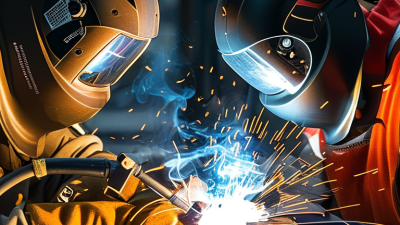
Wire welding is a crucial technique in metal fabrication, but safety should always come first. Proper personal protective equipment is essential. A welding helmet with a dark shade protects your eyes from bright arcs. Gloves should be heat-resistant and fit well to maintain dexterity. Wearing long-sleeved clothing can shield against sparks and molten metal. It’s also important to work in a well-ventilated area to avoid inhaling harmful fumes.
Before starting any welding project, check your equipment thoroughly. Inspect wires and connections for wear or damage. Ensure gas supplies are secure and leak-free. It’s easy to overlook these details, but neglecting safety checks can lead to accidents. Always have a fire extinguisher nearby as a precaution. Review emergency procedures with your team to ensure everyone knows how to respond quickly if something goes wrong. Remember, welding can be rewarding but carries inherent risks. Maintaining focus on safety safeguards lives and progress in any metal fabrication project.
Wire Welder Performance Comparison
Maintenance and Care for Optimal Welding Performance
A key factor in achieving optimal welding performance is regular maintenance of your wire welder. Over time, buildup of dust and debris can hinder its efficiency. Frequent cleaning is essential to keep components like the nozzle and contact tip free of contaminants. If neglected, these blockages can lead to inconsistent welds and increased wear on your equipment.
Ensure all connections are tight and check for gas leaks frequently. Gas flow is crucial for a stable arc. If you're noticing uneven welds, it might be time to inspect the feed mechanism. A worn-out drive roller can cause inconsistent feeding of wire, affecting the quality of the weld.
For smoother operation, inspect windings and cables for wear. Replace damaged components promptly to avoid further issues. Storing your welder in a dry, cool place can also extend its life. Remember, a well-maintained machine not only performs better but also ensures safety during use. Proper care is not just about keeping your equipment functional; it's about achieving the best possible results in your metal fabrication projects.
 WeChat Online Service