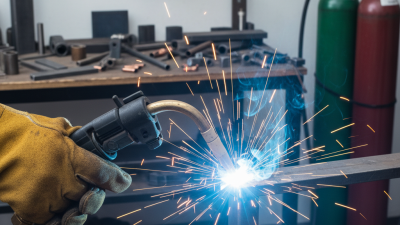
How to Choose the Best Wire Welder for Your Business?
Choosing the Best Wire Welder for Your Business: A Practical Introduction
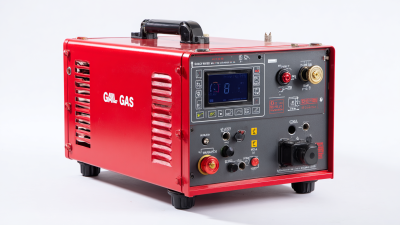
Selecting a Wire Welder is a production decision, not merely an equipment purchase. The right machine must match material thickness, wire diameter, duty cycle, power supply, and operator skill. A small fabrication shop may value portability and simple controls. A high-volume manufacturer may need stable wire feeding, automated settings, and dependable cooling.
Market data shows why this choice deserves attention. Fortune Business Insights valued the global welding equipment market at approximately $16.43 billion in 2023. It projects the market to reach $25.63 billion by 2032. Meanwhile, the U.S. Bureau of Labor Statistics projects about 42,600 annual openings for welders, cutters, solderers, and brazers through 2033. Labor pressure could make efficiency more valuable. Or it could expose weak training systems.
John C. Lincoln, co-founder of The Lincoln Electric Company, stated, “The customer is the most important person in our business.” That principle still matters when comparing a Wire Welder. Consider service response, replacement parts, warranty terms, and actual operating costs. A lower purchase price can become expensive through downtime, unstable arcs, excessive spatter, or difficult maintenance. Buyers should test machines using their real wire, material, and joint designs. Catalog specifications are useful. They are not the whole answer.
This guide examines practical selection criteria, including welding output, wire-feed performance, energy use, portability, automation readiness, and long-term reliability. Some recommendations may not fit every workshop. That is the point. The best Wire Welder is the one that performs consistently under your specific production conditions.
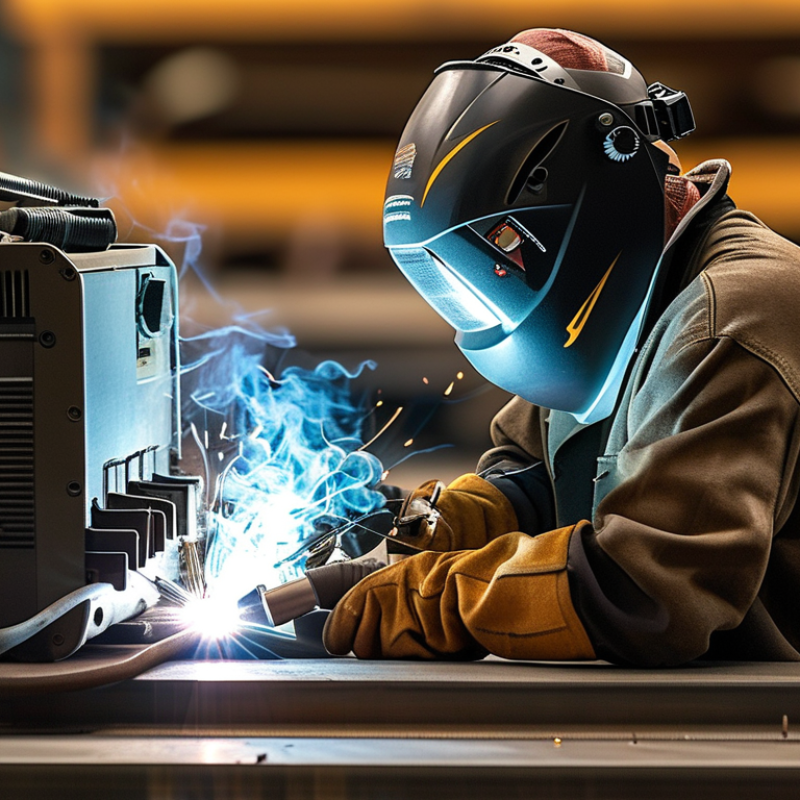
Understanding Wire Welder Types and Their Core Differences
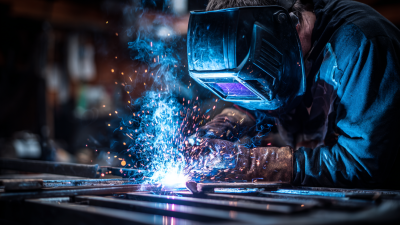
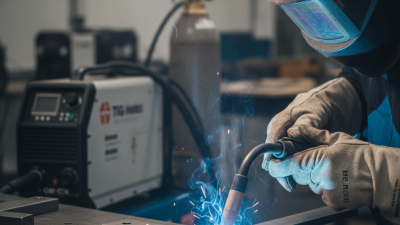
A wire welder feeds a continuous electrode through a torch, but different systems behave very differently.
Gas metal arc welding, commonly called MIG or MAG, uses shielding gas around the arc. It produces clean welds with little slag and suits workshops handling steel, stainless steel, or aluminum. However, wind can disturb the gas shield, making outdoor work unreliable.
Flux-cored arc welding uses a tubular wire filled with flux. Some wires need external gas, while self-shielded wires create their own protection. This makes them useful for field repairs, thicker steel, and windy conditions. They produce more smoke and slag, though. Cleanup takes time.
Submerged arc welding is another option for large, repetitive joints. It hides the arc beneath granular flux and offers high deposition rates, but it needs stable positioning and is rarely practical for small repairs.
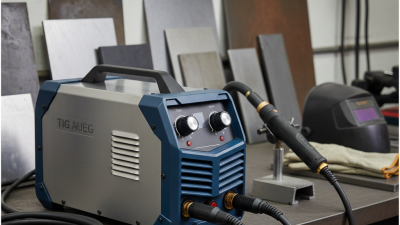
When selecting equipment, compare duty cycle, wire diameter range, power supply, and material thickness. A high duty cycle matters when production continues for hours. Portability matters more for installation crews. Check whether replacement liners, contact tips, and rollers are easy to obtain.
In my experience, businesses often focus on maximum amperage and overlook wire control. That mistake causes bird-nesting, uneven feeding, and wasted material. I have also seen operators choose self-shielded wire for clean indoor work, then spend too much time removing slag. The best choice depends on joint design, workspace conditions, operator skill, and daily production demands.
Comparing Power Sources, Welding Processes, and Performance Features
Choosing a wire welder starts with the power source, not the price tag. A transformer machine offers simple, durable output for steady shop work. An inverter unit is lighter and usually gives finer control. For mobile repairs, that difference matters when cables stretch across a cold floor. Yet, advertised efficiency can mislead. Always compare duty cycle at your required amperage, not the headline maximum.
The welding process should match your materials and production rhythm. Short-circuit MIG suits thinner steel and frequent starts. Spray transfer can increase deposition, but it needs suitable voltage, shielding gas, and joint space. Flux-cored wire handles outdoor conditions better, especially when wind makes gas coverage unreliable. According to the U.S. Bureau of Labor Statistics, welding occupations may see about 42,600 annual openings through 2033. That labor pressure makes repeatable settings valuable. Digital presets help, but operators still need practical training. Controls cannot repair poor fit-up.
Tips: Test two machines on identical joints. Record penetration, spatter, wire use, and cooling time. Check whether the feeder stays smooth after several minutes. Review service access, waveform control, thermal protection, and generator compatibility. The American Welding Society has projected a need for roughly 330,000 new welding professionals by 2028. Ease of training deserves attention. I would also question perfect showroom results. Real production includes dirty steel, voltage drops, and rushed operators. Choose the machine that remains predictable there.
How to Choose the Best Wire Welder for Your Business?
Comparing power sources, welding processes, and productivity features
The chart compares representative deposition-rate ranges for common wire-welding processes. Short-circuit GMAW is suitable for thinner materials and controlled heat input, while pulsed and spray GMAW provide higher productivity on thicker sections. FCAW can deliver high deposition rates and strong outdoor performance, especially when wind makes shielding gas difficult to manage.
For most businesses, inverter power sources offer lower weight, better electrical efficiency, and advanced control functions such as synergic settings or pulse control. When selecting a machine, also compare rated duty cycle, output amperage, wire diameter range, input power requirements, portability, and serviceability.
Values shown are representative industry operating ranges and vary with material, wire diameter, shielding gas, joint design, and operator technique.
Evaluating Workplace Safety, Ease of Use, and Maintenance Needs
How to Choose the Best Wire Welder for Your Business?
A suitable wire welder should protect workers before improving production speed. Check its grounding system, thermal protection, cable condition, and emergency shutoff access. The workspace also needs clear ventilation, stable lighting, and enough room around the machine. Fumes can collect quickly in enclosed areas. A welder with simple controls reduces training mistakes. Large adjustment knobs, readable settings, and steady wire feeding matter during busy shifts. I once underestimated cable placement. It created a trip hazard and slowed material handling.
Tips: Test the welder with your actual materials before purchasing. Watch how easily operators load the wire, change contact tips, and adjust settings. Ask them where the controls feel awkward. Their feedback often reveals problems that product specifications miss. Keep protective equipment close, not locked away from the work area.
Maintenance needs deserve equal attention. Choose a machine with accessible rollers, liners, cooling vents, and electrical connections. Daily cleaning should take minutes, not an entire break. Inspect the wire path for dust, rust, or uneven feeding. Replace worn parts before they damage other components. A basic maintenance log can track feeding problems, unusual heat, and recurring repairs. Still, even a well-designed welder may need more care than expected in dusty workplaces. Test that reality before committing to several units.
Calculating Total Costs, Productivity, and Long-Term Business Value
Choosing a wire welder for business requires more than comparing purchase prices. Calculate the total cost over three to five years. Include wire, electricity, shielding gas, maintenance, replacement parts, training, and downtime. A lower-priced welder may become expensive when operators wait for repairs or consume more wire. Keep real workshop records, not guesses.
Measure productivity during a normal shift. Track completed welds, setup time, wire changes, rework, and idle minutes. For example, saving six minutes per hour can create nearly one extra productive hour daily. That gain may outweigh a higher initial investment. Check duty cycle carefully, especially when welding thick steel continuously. Ask operators to test the machine on actual jobs. Their feedback often reveals awkward controls or poor cable handling.
Long-term value also depends on reliability and service access. Review maintenance instructions, parts availability, warranty terms, and technical support before buying. A dependable machine protects delivery schedules and reduces stress during peak orders. I once focused too heavily on welding speed and overlooked setup time. The result looked efficient on paper, but production improved less than expected. That mistake still matters. Estimate labor savings conservatively, then compare them with annual ownership costs. Leave room for consumable price changes and unexpected repairs. A practical trial can expose weaknesses that specifications hide.
How to Choose the Best Wire Welder for Your Business? — Calculating Total Costs, Productivity, and Long-Term Business Value
| Evaluation Dimension |
Entry-Level MIG Welder |
Production MIG Welder |
Pulse MIG Welder |
Automated Wire-Welding Cell |
| Typical Business Use |
Light fabrication, maintenance, and low-volume repair work |
General fabrication and recurring production jobs |
High-quality fabrication, thinner materials, and reduced spatter applications |
High-volume, repeatable parts with stable product designs |
| Rated Output |
180–220 A |
250–350 A |
300–400 A |
350–500 A power source |
| Typical Duty Cycle |
20–35% at rated output |
40–60% at rated output |
50–70% at rated output |
60–100% at rated output |
| Recommended Wire Diameter |
0.8–1.0 mm |
0.8–1.2 mm |
0.8–1.2 mm |
0.9–1.6 mm |
| Estimated Purchase Price |
$1,200 |
$3,500 |
$7,500 |
$95,000 |
| Installation and Setup Cost |
$300 |
$700 |
$1,200 |
$15,000 |
| Required Operator Skill |
Basic to intermediate |
Intermediate |
Intermediate to advanced |
Programming and maintenance skills |
| Expected Arc-On Time |
20–30% |
30–45% |
35–50% |
65–85% |
| Estimated Welded Output per Paid Labor Hour |
1.0–1.8 kg |
1.8–3.0 kg |
2.2–3.6 kg |
4.5–8.0 kg |
| Estimated Daily Production Capacity |
8–14 kg |
14–24 kg |
18–29 kg |
36–64 kg |
| Estimated Annual Operating Hours |
1,000 hours |
1,500 hours |
1,700 hours |
4,000 hours |
| Average Wire Consumption per Year |
1,200 kg |
3,000 kg |
4,000 kg |
12,000 kg |
| Estimated Wire and Gas Cost per Welded Kilogram |
$4.10 |
$3.85 |
$3.60 |
$3.35 |
| Estimated Annual Consumables Cost |
$4,920 |
$11,550 |
$14,400 |
$40,200 |
| Estimated Annual Maintenance Cost |
$250 |
$600 |
$1,000 |
$5,500 |
| Estimated Annual Energy Cost |
$180 |
$420 |
$550 |
$1,800 |
| Estimated Annual Labor Cost |
$62,500 |
$60,000 |
$56,000 |
$27,500 |
| Estimated Annual Rework and Scrap Cost |
$4,500 |
$3,300 |
$2,500 |
$1,500 |
| Estimated Three-Year Total Cost of Ownership |
$207,650 |
$232,810 |
$245,450 |
$374,000 |
| Three-Year Estimated Welded Output |
3,600 kg |
9,000 kg |
12,000 kg |
36,000 kg |
| Three-Year Cost per Welded Kilogram |
$57.68 |
$25.87 |
$20.45 |
$10.39 |
| Estimated Payback Period |
Not applicable for low-volume work |
Approximately 12–18 months |
Approximately 18–24 months |
Approximately 24–36 months |
| Best Long-Term Value When |
Equipment utilization is low and flexibility matters most |
Production volume is moderate and product variety is high |
Weld quality, appearance, and reduced rework justify the premium |
Part volume is high, designs are repeatable, and labor availability is limited |
|
Calculation assumptions: 250 working days per year, labor burden of $40 per hour for manual welding and $27.50 per hour for automated-cell supervision, electricity at $0.12 per kWh, and a three-year evaluation period. Actual results vary with material thickness, joint design, wire type, shielding gas, utilization, local labor rates, maintenance practices, and production mix.
|

 WeChat Online Service