Top Gas Welder Options for Your Next Project?
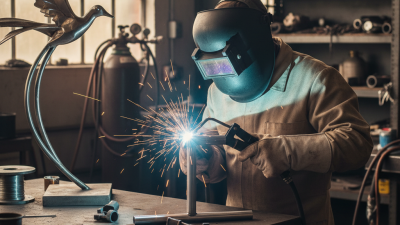
When embarking on a welding project, choosing the right tools is essential. A gas welder can be a great asset. It provides versatility and efficiency for various tasks. In the world of welding, not all gas welders are created equal. Some offer better features than others, which can greatly affect your project outcome.
A quality gas welder ensures precise control over heat and material fusion. This is vital for achieving strong welds. However, not everyone selects the best model for their needs. It's important to consider specific project requirements, including materials and environments. Often, beginners face challenges in their gas welding journey. They may overlook crucial specifications or the benefits of different torches.
In this guide, we explore top gas welder options. We will examine their features and benefits. The aim is to equip you with knowledge to make informed choices. Ultimately, the right gas welder can elevate your projects, making them easier and more effective. Whether you are a novice or a seasoned pro, understanding your options is key.
Top Gas Welder Types and Their Key Features for Projects
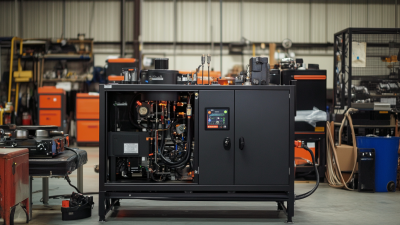
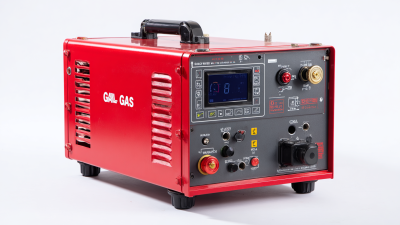
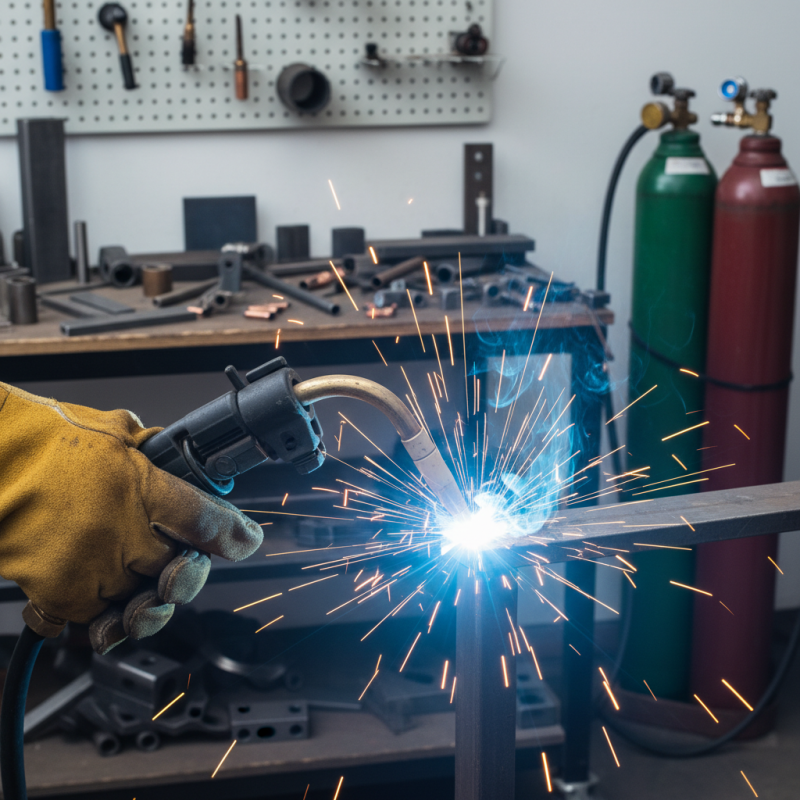
When choosing the right gas welder for your project, it's essential to understand different types and their unique features. Gas welders primarily fall into categories like oxy-fuel, MIG, and TIG welders.
Oxy-fuel welders utilize a torch to melt metals, making them ideal for diverse tasks, from automotive repairs to artistic metalwork. Their portability is an added advantage, especially for on-site jobs.
MIG welders, on the other hand, use a continuous feeding wire, which simplifies the welding process. They are known for creating strong and clean welds, suitable for both beginners and seasoned professionals. TIG welders provide precision and versatility, enabling users to work on thin materials. This type requires more skill but offers the best control over the weld pool.
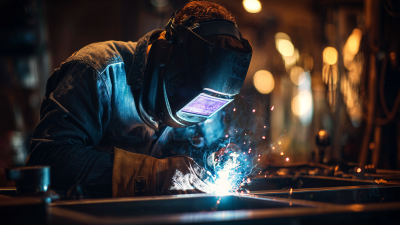
Tips: Always wear proper safety gear when welding. It's crucial to shield your eyes and skin from sparks and heat. Ensure proper ventilation in your workspace to avoid inhaling harmful fumes. Regularly maintain your welder; this improves performance and safety. Any issues can lead to subpar results, which can be frustrating and time-consuming.
Take the time to practice with each type of welder. Understanding their strengths and weaknesses can lead to better results in your projects. Don’t rush the process; welding skill takes time to develop. Each project will teach you something new, so embrace the learning journey.
Understanding Gas Welding Techniques: A Comprehensive Overview
Gas welding is a versatile technique, commonly used in metal fabrication and repair. This method involves using a flame produced by burning gas to melt the base material. It's crucial to choose the right gas mixture for different welding tasks. Acetylene and oxygen are popular due to their high flame temperatures, making them suitable for various welding projects.
Safety precautions cannot be overlooked. Proper ventilation is essential. A well-ventilated space minimizes the risk of gas accumulation, which can be dangerous. Welders should wear appropriate protective gear, including gloves and goggles, to shield against intense heat and bright light. Attention to detail is vital. Misalignment of materials can lead to weak joints.
Practicing gas welding techniques takes time. Beginners may struggle with flame control and angle adjustments. Creating consistent welds requires patience and precision. Learning from mistakes is part of the process. Every project can teach new skills and highlight areas for improvement. Embrace these challenges; they contribute to becoming a more skilled welder.
Evaluating the Most Reliable Gas Welder Brands in the Market
When selecting a gas welder, reliability is paramount. According to industry reports, over 60% of professionals prioritize durability and performance in their equipment. This highlights the importance of understanding the top brands in the market. Not all welders are created equal, and some fail to meet user expectations. Key factors include ease of use, gas efficiency, and support services offered by manufacturers.
Data suggests that a majority of users appreciate welders that offer quick setup and consistent results. Many professionals report frustrations with inconsistent flame quality in some models. It's essential to assess user reviews and anecdotal evidence while making a choice. Brands that maintain strong customer service records often receive higher satisfaction ratings, impacting long-term loyalty.
A reliable gas welder should not only perform in ideal conditions but also withstand challenging environments. Reports show that metals can warp under heat, emphasizing the need for precise temperature control. Therefore, having a welder that offers adjustable settings may reflect a brand's commitment to reliability. The industry is evolving, which means newer models continually seek to address these common pain points.
Cost Analysis: Gas Welding Equipment Investments and Returns
When investing in gas welding equipment, understanding costs is vital. The initial outlay for quality welding gear can be significant. Prices vary widely based on features and capabilities. A beginner might find affordable options, while seasoned professionals may opt for high-end products. Evaluating the long-term costs is equally important. Maintenance and gas expenses can add up over time.
Another factor to consider is the return on investment. Quality gas welders can enhance productivity and improve output quality. A skilled welder can take on complex projects, enabling higher earning potential. However, if the welder is not used properly, it can lead to wasted materials and time. Misjudgments on equipment capabilities can result in frustration.
It’s critical to weigh these elements before making a purchase. Consider asking experienced welders about their experiences. Each project might require different tools. What works for one job may not suit another. Finding the right balance between cost and performance demands careful thought.
Safety Standards and Best Practices for Gas Welding Projects
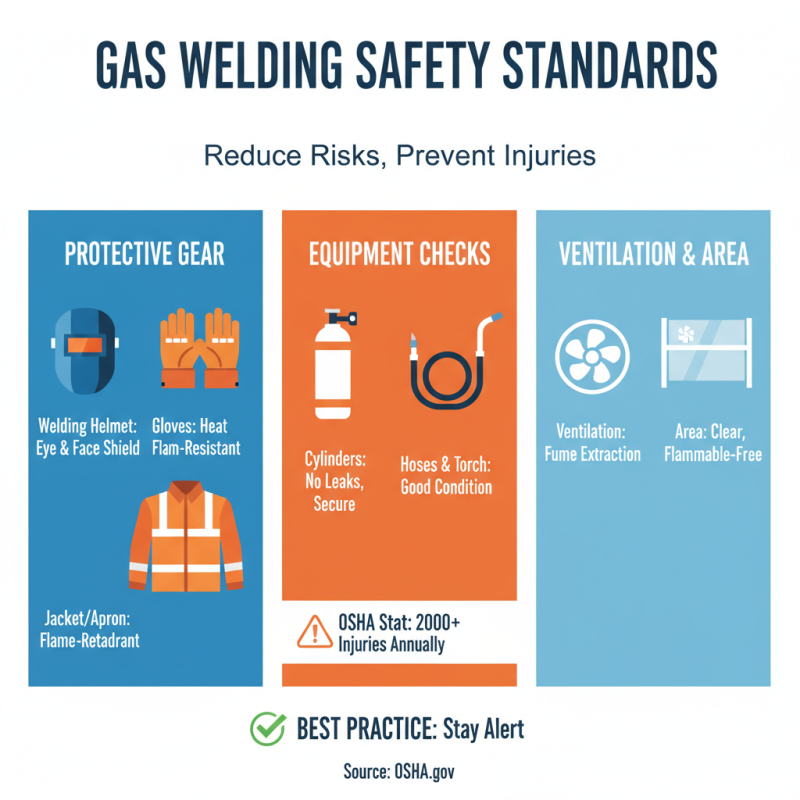
Gas welding is a crucial skill in many industries, but safety must be prioritized. According to the Occupational Safety and Health Administration (OSHA), over 2,000 injuries occur annually due to unsafe welding practices. Proper safety standards can significantly reduce these numbers.
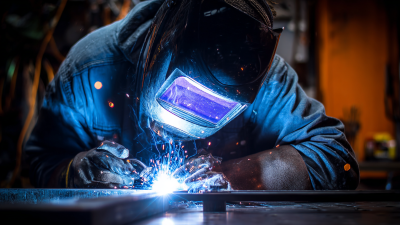
Personal protective equipment (PPE) is essential. Welders should wear flame-resistant clothing, gloves, and safety glasses. A study by the National Institute for Occupational Safety and Health (NIOSH) indicated that 70% of welding injuries involve eye damage. Therefore, goggles or helmets with proper lenses are critical. The workspace must be well-ventilated to prevent harmful fume exposure. Poor air quality can lead to long-term health issues.
Training on best practices is vital. All welders should receive hands-on training focused on safety protocols. Regular inspections of equipment help spot potential hazards. An evaluation from the American Welding Society states that following safety standards can decrease accidents by up to 40%. This shows the direct connection between adherence to safety practices and reduced risks. However, despite the guidelines, some still overlook these basics, leading to preventable incidents.

 WeChat Online Service