Top Stainless Welding Tips for Global Buyers to Consider?
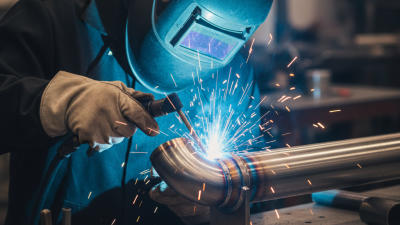
In the realm of stainless welding, the importance of expertise cannot be overstated. Expert welder Jane Smith emphasizes, "Quality in stainless welding starts with understanding the material." This insight highlights the significance of knowledge in producing durable and reliable welds. Stainless welding is highly sought after in various industries, from construction to automotive.
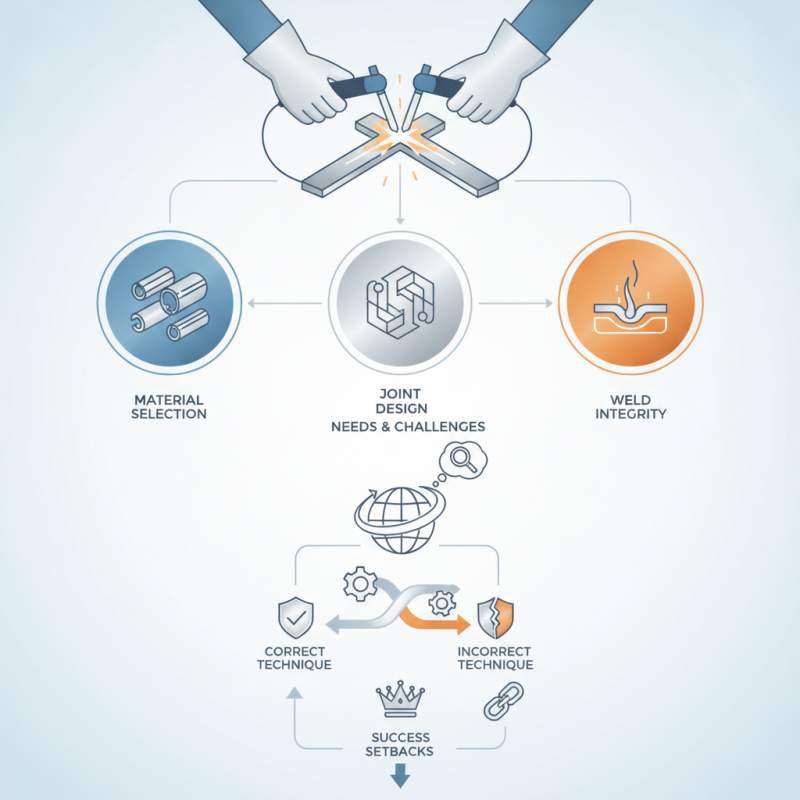
Navigating the nuances of stainless welding requires more than just technical skills. It's vital for global buyers to consider factors like material selection, joint design, and weld integrity. Each decision influences the final product's quality. Missteps in choosing the right welding method can lead to costly mistakes and subpar results.
Buyers must reflect on their specific needs and challenges. Understanding the differences between techniques can help in making informed choices. Ignoring these aspects may result in significant setbacks. In a competitive landscape, being well-prepared is the key to success in stainless welding.
Top Considerations for Selecting Stainless Steel Welding Equipment
When selecting stainless steel welding equipment, several factors should be carefully considered to ensure high-quality outcomes. The type of welding process you intend to use significantly impacts your equipment choice. For example, MIG and TIG welding offer different advantages for various applications. Understanding these differences is crucial for making an informed decision.
Another important tip is to assess the power requirements of your equipment. Ensure it matches your existing electrical infrastructure. Inadequate power may lead to underperformance and poor weld quality. Also, consider the size and thickness of the stainless steel you will work with. This impacts the welding torch and wire diameter you need to select.
Welding safety cannot be overlooked. Invest in high-quality personal protective equipment (PPE) like helmets and gloves. These ensure both comfort and protection from hazards. Lastly, remember that training and experience are key. Even the best equipment needs skilled hands to operate it effectively. Find resources or workshops that can enhance your welding capabilities.
Top Stainless Welding Tips for Global Buyers to Consider
| Tip |
Description |
Consideration Factor |
Importance Level |
| Material Selection |
Choose the appropriate grade of stainless steel for your specific application needs. |
Type of project and environmental factors. |
High |
| Welding Technique |
Select the welding method (TIG, MIG, etc.) based on project requirements. |
Desired quality and thickness of material. |
Medium |
| Equipment Quality |
Invest in high-quality welding machines for better results and reliability. |
Budget constraints vs. quality outcomes. |
High |
| Safety Precautions |
Ensure all safety measures are in place to protect workers during welding. |
Compliance with safety regulations. |
High |
| Post-Weld Treatment |
Apply appropriate treatments (pickling, passivation) to ensure durability. |
Long-term performance of the weld. |
Medium |
Key Stainless Welding Techniques for Optimal Results in Various Alloys
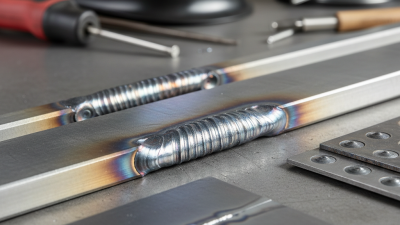
Welding stainless steel requires specific techniques for optimal results. Different alloys present unique challenges. For instance, the use of a 308L filler is common for304 stainless steel, while 316L is recommended for 316 alloys due to their molybdenum content. Understanding these variations can significantly improve welding outcomes.
Temperature control is crucial. A study by the American Welding Society highlights that maintaining the correct preheat and interpass temperatures reduces the risk of cracking. This is particularly important for thicker materials. Ignoring these parameters can lead to costly errors. Some welders report issues related to distortion when they do not adequately manage heat input.
The choice of shielding gas also plays a significant role. Argon is widely used, but small percentages of carbon dioxide may enhance penetration in specific applications. It is important to experiment with different gas mixtures to find the best fit for each project. This trial and error approach can lead to breakthroughs but may initially result in subpar welds. Continuous improvement is essential in achieving great results in stainless welding.
Understanding the Importance of Welding Filler Materials in Stainless Steel
Welding filler materials play a crucial role in stainless steel fabrication. These materials fill gaps between metal pieces, ensuring strong joints and structural integrity. Selecting the right filler can make or break the longevity of your welds. For global buyers, a deep understanding of these materials is essential.
When choosing a filler, consider its corrosion resistance. Stainless steel is often used in harsh environments. The filler must match this property. A mismatch can lead to premature failure. Also, investigate the compatibility with base metals. Differences in chemical composition can cause issues during welding.
Tip: Always perform tests on filler materials before large projects. This can save time and resources. Additionally, understand the heat input's impact on the weld. Too much heat can alter the filler’s properties, reducing its effectiveness. Lastly, stay updated on industry standards. This knowledge can guide better decision-making.
Common Defects in Stainless Steel Welding and How to Prevent Them
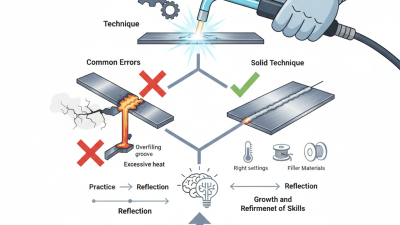
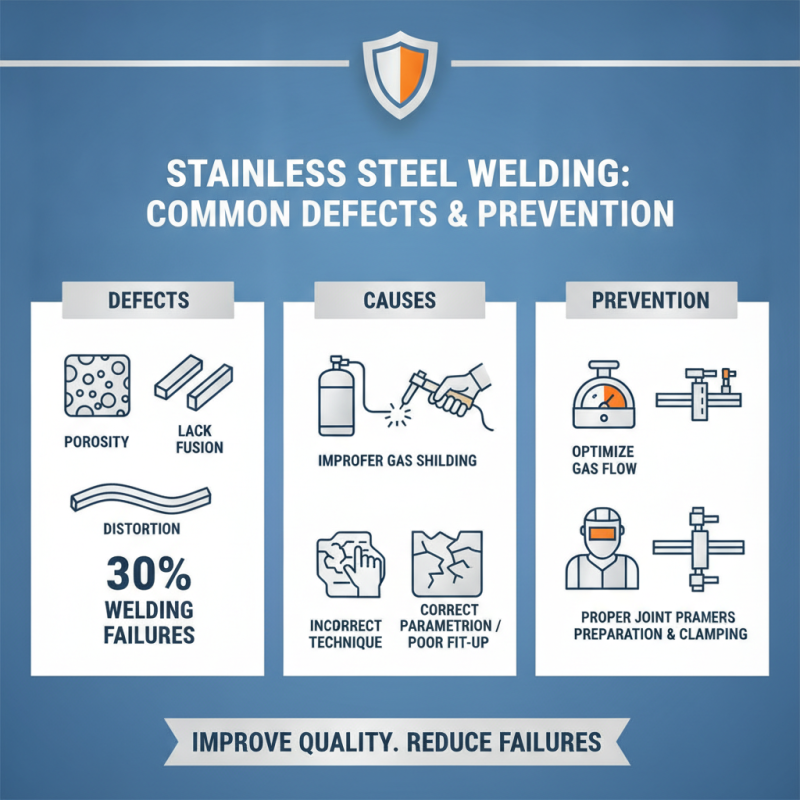
Welding stainless steel is a critical skill for many industries. However, defects sometimes occur. Common issues include porosity, lack of fusion, and distortion. According to industry reports, around 30% of welding failures are due to these problems. Understanding how to prevent them is vital for improving quality.
Porosity is often caused by contamination. This can be moisture or oil on the base metal. To mitigate this, clean surfaces thoroughly using appropriate solvents. Control the welding environment as well. Avoid windy conditions that can introduce contaminants.
Lack of fusion occurs when the weld does not adequately bond with the base metal. This can stem from insufficient heat or improper technique. Ensuring the right heat settings based on material thickness is essential. Monitor the travel speed and angle of the welding torch. Adjustments can significantly enhance the bonding strength.
Lastly, distortion can affect structural integrity. Implementing effective fixturing techniques helps maintain alignment during welding. Using preheating strategies also reduces stress. Pay attention to the entire process, as small oversights can lead to considerable challenges later.
Insights into Global Standards and Certifications for Stainless Steel Welding
When considering stainless steel welding, global standards and certifications are crucial. They ensure safety and reliability across diverse applications. The International Organization for Standardization (ISO) has set standards such as ISO 3834 for quality requirements. This standard is essential for welding services in various industries, including automotive and construction. Compliance with these standards boosts buyer confidence.
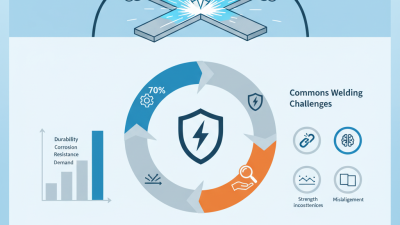
Additionally, the American Welding Society (AWS) certification is noted for its significance. AWS certifications validate the skills of welders, which is critical for ensuring quality. According to industry reports, about 70% of projects fail due to inadequate welding skills. Training and certification can significantly reduce these risks.
Despite established standards, gaps remain in the global adherence to these certifications. Many regions still lack proper training programs. This inconsistency can lead to varying quality in welding practices. Buyers must remain vigilant and prioritize working with certified professionals to mitigate these risks. Data shows that projects adhering to recognized standards have a 30% higher success rate. Addressing these challenges is vital for ensuring long-term sustainability in stainless steel welding.

 WeChat Online Service