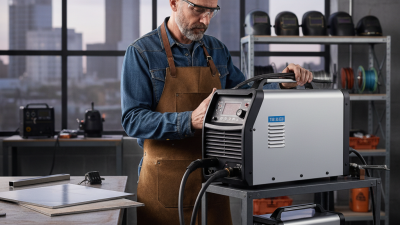
What is Tig Machine and How Can It Improve Your Welding?
In the world of welding, the Tig Machine stands out for its precision and quality. Renowned industry expert John Miller once stated, “A good Tig Machine can transform your work.” This highlights the transformative power and reliability of these machines in various welding applications.
Welding professionals often seek ways to enhance their skills and outcomes. The Tig Machine plays a crucial role in achieving this. Its ability to produce clean and precise welds requires a certain level of expertise. Mastery of this equipment can take time, revealing a learning curve that some may find frustrating but ultimately rewarding.
With varying features, not all Tig Machines are created equal. The choice of machine can significantly impact your welding results. Certain models may lack essential features or user-friendliness. Therefore, understanding how to select a quality Tig Machine is essential for every welder striving for excellence.
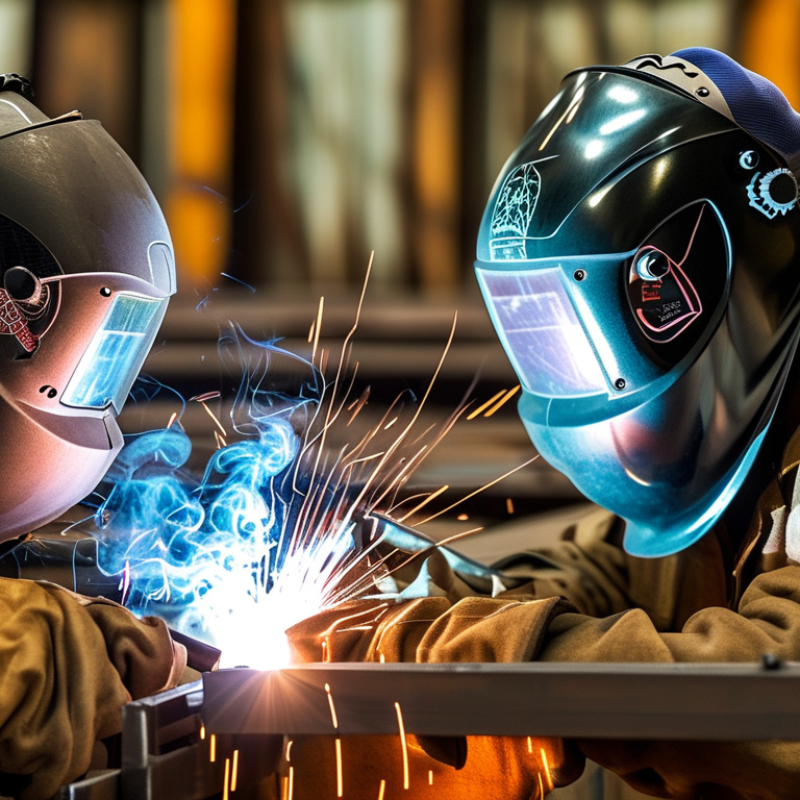
What is a TIG Machine and Its Role in Modern Welding Techniques
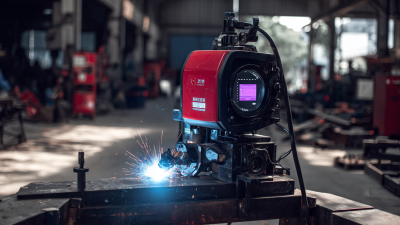
TIG machines play a crucial role in modern welding techniques. These machines utilize a non-consumable tungsten electrode to produce a high-quality weld. They are ideal for welding thin materials and are widely used in industries ranging from automotive to aerospace. Operators appreciate the control that TIG welding offers, allowing for precise bead placement.
One of the challenges with TIG welding is its complexity. Proper technique and settings are essential for achieving optimal results. It requires practice to master the art of maintaining the arc and controlling the heat input effectively. Beginners may struggle with electrode positioning and filler rod feeding, leading to inconsistent welds. Reflecting on these difficulties reveals the need for ongoing training and hands-on experience.
While TIG welding provides exceptional results, it is not without its limitations. The process is slower compared to MIG welding, which can impact productivity. Additionally, environments with drafts may make it difficult to maintain a clean weld. Awareness of these factors can help welders adapt their approaches. Understanding when to opt for TIG welding is as important as mastering it.
Key Components and Features of TIG Welding Machines
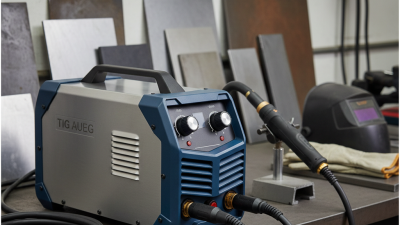
TIG welding machines are essential for precision welding tasks. They provide unparalleled control over the welding process. Key components include a tungsten electrode, a gas supply system, and a cooling mechanism. The tungsten electrode, typically made of pure tungsten or tungsten alloys, withstands high temperatures. This durability improves arc stability and enhances the quality of welds.
The gas supply system is crucial for shielding the weld pool. It prevents contamination from the atmosphere. Argon is the most commonly used shielding gas. Reports suggest that using the correct gas flow rate can reduce porosity in welds by 30%. A reliable cooling mechanism is also vital. It helps maintain optimal operating temperatures. Many machines feature built-in cooling systems or external coolers for efficient heat management.
Advanced TIG welding machines may integrate features like automatic voltage control and pulse welding capabilities. These innovations provide versatility for various materials. However, these features can also complicate the welding process for beginners. Some operators may find it challenging to adjust settings without extensive training. Investing time in mastering these adjustments can lead to significantly improved welding performance.
TIG Welding Machines: Performance Comparison
This bar chart illustrates the performance ratings of key features of TIG welding machines. Features such as Precision and Heat Control scored the highest ratings, indicating their importance in achieving high-quality welds. Portability and Cost Efficiency, while still important, received lower ratings, suggesting areas for improvement in future designs.
Advantages of TIG Welding Over Other Methods in Fabrication
TIG welding, or Tungsten Inert Gas welding, stands out for its precision and quality. Unlike other welding methods, it uses a non-consumable tungsten electrode. This allows for finer control and cleaner welds. TIG welding is ideal for thin materials, making it popular in industries like aerospace and automotive.
One major advantage of TIG welding is the versatility it offers. It works well with various metals, including aluminum and stainless steel. This process produces a strong, aesthetically pleasing weld. The heat input is easily managed, reducing the risk of warping or distortion in the base materials.
Tip: Always clean the metals before welding. This ensures maximum adhesion and minimizes contamination.
However, TIG welding requires more skill and practice. Beginners may face a steep learning curve. There can be challenges in maintaining a steady hand while controlling the filler rod. Mistakes can lead to weak welds or excessive splatter.
Tip: Start with thicker materials to build confidence. As you improve, progress to thinner sections to refine your technique.
Industry Applications and Use Cases for TIG Welding Technology
TIG welding technology has gained traction across various industries for its precision and versatility. According to a recent report by the American Welding Society, TIG (Tungsten Inert Gas) welding is employed in sectors like aerospace, automotive, and manufacturing due to its ability to produce clean, high-quality welds. This process is essential when working with materials such as stainless steel and aluminum, where the risks of contamination and distortion are significant.
In the aerospace industry, the reliability of welds is non-negotiable. A study revealed that the strength of TIG-welded joints can reach 20% more compared to MIG welding in certain scenarios. However, this advantage comes with challenges. TIG welding requires skilled operators and takes longer to complete. This can affect productivity in fast-paced environments where time is critical.
In manufacturing, the flexibility of TIG welding allows the creation of intricate designs. It is common in custom fabrication projects, but not without its drawbacks. Often, it leads to higher labor costs because of the required expertise. Even experienced welders face a learning curve, which can lead to inconsistencies if not carefully managed. Balancing quality with efficiency remains an ongoing challenge for many businesses.
Safety Considerations and Best Practices for TIG Welding Operations
TIG welding requires careful attention to safety. The American Welding Society states that 25% of welding accidents are due to inadequate safety practices. As welders work with high voltage and intense heat, protective gear is essential. This includes welding helmets, gloves, and fire-resistant clothing. Ensuring that all equipment is functioning correctly can significantly reduce risk. Regular checks of gas connections and equipment integrity are crucial.
Proper ventilation is another critical safety consideration. The Occupational Safety and Health Administration (OSHA) recommends ensuring adequate airflow in welding environments. Fumes produced during TIG welding can be harmful. Long-term exposure can lead to respiratory issues. Using fume extractors can mitigate this risk, making the workspace safer.
Training is vital for maintaining a safe welding operation. Studies show that companies investing in worker training reduce accident rates by up to 50%. Knowledge of proper techniques and safety measures allows welders to identify hazards proactively. Investing time in training develops a more aware workforce, which is essential for reducing mishaps on the job.
 WeChat Online Service