Leave Your Message

What Is a TIG Machine and How Does It Work?

A Tig Machine is more than a box that produces an electric arc. It is a controlled system for joining metal with a non-consumable tungsten electrode, shielding gas, and, when needed, separate filler rod. The operator guides the arc across the joint. Heat must be balanced carefully. Too little heat leaves weak fusion. Too much heat can discolor stainless steel, distort thin sheet, or damage the tungsten tip.

Industry demand explains why this process remains important. Grand View Research estimated the global welding equipment market at approximately USD 16.3 billion in 2023. Its report also projects continued growth through 2030, supported by construction, automotive, energy, and fabrication applications. Fortune Business Insights reported a global welding equipment market value of about USD 16.13 billion in 2023. These figures cover several welding technologies, not TIG alone. That distinction matters.

Welding educator Jody Collier describes TIG welding as “all about control, not speed.” This short observation captures the machine’s central purpose. A Tig Machine lets users adjust amperage, polarity, gas flow, pulse settings, and sometimes foot-pedal response. Each setting changes the weld pool’s behavior. A clean tungsten point can produce a narrow, stable arc. A contaminated point cannot.

The process looks simple from a distance. It is not. A practical explanation must include operator skill, joint preparation, shielding quality, and machine settings. Reports show market strength, but they do not guarantee weld quality. That still depends on careful hands, accurate procedures, and a willingness to inspect every bead.
What Is a TIG Machine and How Does It Work?

What a TIG Machine Is and the Role It Plays in Welding

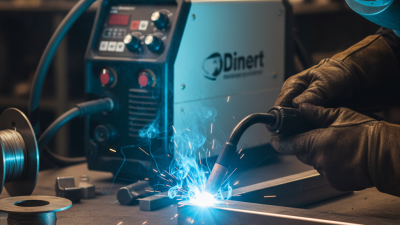
A TIG machine is a welding power source designed for precise, controlled arc welding. TIG means tungsten inert gas, although many professionals call the process gas tungsten arc welding. The machine sends current through a non-consumable tungsten electrode. An inert gas, usually argon, protects the hot weld pool from oxygen and nitrogen. This protection helps create clean, strong joints with minimal spatter.

The machine’s role extends beyond producing heat. It controls amperage, arc stability, and sometimes pulse timing. The welder holds the torch close to the metal while adding filler rod by hand when needed. Stainless steel, aluminum, and thin sheet can benefit from this control. A steady arc may leave a neat row of small weld ripples. However, poor gas coverage can cause discoloration, porosity, or weak bonding. Even experienced operators can misjudge travel speed. That deserves honest attention.

Tips: Clean the metal before striking the arc. Keep the tungsten sharp and centered. Set gas flow carefully, because excessive flow can create turbulence. Watch the weld pool, not only the bright arc. Practice on scrap material first. Small adjustments often matter more than higher power. Wear suitable eye, hand, and body protection, and follow the machine’s operating instructions.
The Main Parts and Controls of a TIG Welding Machine

A TIG machine, or gas tungsten arc welding machine, creates an arc between a tungsten electrode and the workpiece. Inert shielding gas protects the hot weld pool from oxygen and nitrogen. This process gives excellent control over heat, especially on stainless steel, aluminum, and thin sheet metal.

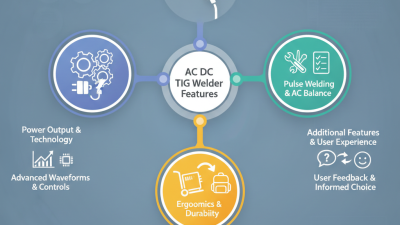
The main unit contains the power source, control panel, and cooling system. The torch holds the tungsten, collet, collet body, and ceramic gas cup. A regulator and flowmeter control shielding gas delivery. The work clamp completes the electrical circuit. Many machines also include a foot pedal, which lets the welder adjust amperage during welding. Useful controls include polarity selection, high-frequency start, pre-flow, post-flow, and pulse settings. Amperage controls arc heat. Post-flow keeps gas around the tungsten as it cools.

I have found that torch setup affects results as much as machine settings. A dirty tungsten can produce an unstable arc and a gray, contaminated weld. The gas cup should sit close enough for protection without blocking visibility. Too much gas can create turbulence, surprisingly. I sometimes begin with conservative settings, then adjust after observing the arc and weld pool. That approach is slower, but it prevents guesswork. A properly prepared joint, clean filler rod, and steady hand remain essential, even with advanced controls.

How TIG Welding Uses an Electric Arc and Shielding Gas

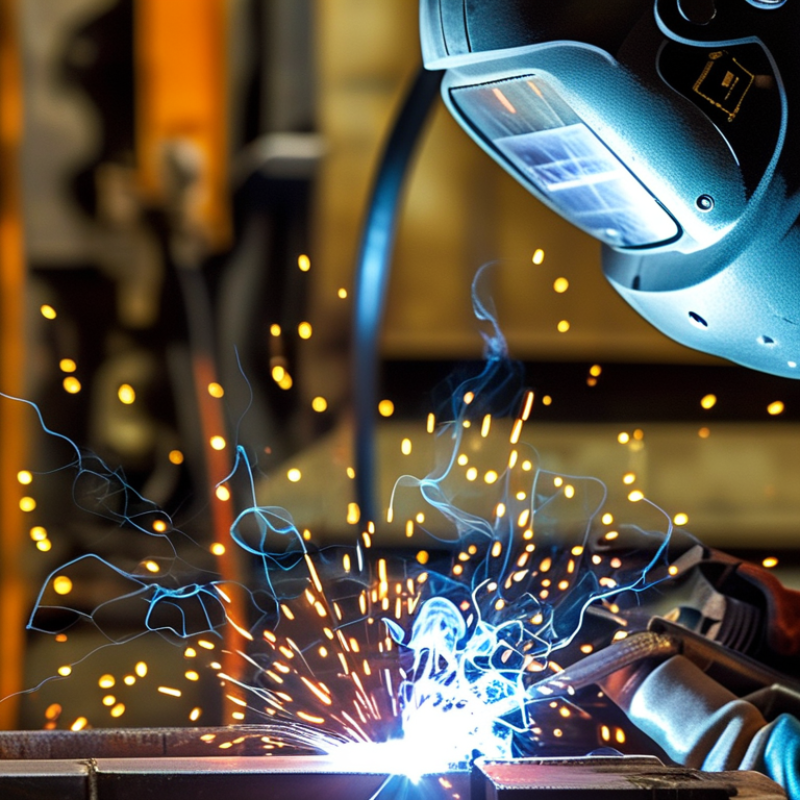
A TIG machine creates a controlled electric arc between a tungsten electrode and the metal workpiece. TIG means tungsten inert gas welding. The electrode does not normally melt into the joint. Instead, it carries current and produces intense heat at a precise point. This heat melts the base metal and forms a small molten weld pool. A welder may add a separate filler rod when the joint needs extra metal.

Shielding gas protects this hot pool from oxygen, nitrogen, and moisture in the surrounding air. Argon is commonly used because it produces a stable arc and supports accurate control. Helium can increase heat input, although it may require different settings and technique. The gas flows through the torch nozzle, forming an invisible protective envelope around the electrode and weld area. Even a small draft can disturb this protection. The result may be porosity, discoloration, or a weak joint.

The operator controls current with a foot pedal, torch switch, or machine control. This allows careful adjustment as the metal heats. Direct current often suits steel and stainless steel, while alternating current helps clean and weld aluminum surfaces. Clean metal is essential. Oil, paint, and oxide layers can interfere with the arc. The process looks calm, but it is not forgiving. Arc length, travel speed, gas flow, and hand movement must work together. In practice, small mistakes are easy to see, and even experienced welders still need to inspect their settings.

What Is a TIG Machine and How Does It Work?

TIG welding uses an electric arc between a non-consumable tungsten electrode and the workpiece. The arc melts the joint, while shielding gas protects the molten metal from atmospheric contamination.

The chart shows representative midpoints of commonly used TIG settings: welding current generally increases with material thickness, while argon flow is adjusted to maintain effective shielding. Actual values vary with joint design, torch size, electrode diameter, material, and welding position.

The Step-by-Step Process of Operating a TIG Machine

A TIG machine creates an electric arc between a tungsten electrode and the metal. The arc melts the joint without consuming the tungsten. Shielding gas protects the hot weld from oxygen and nitrogen. This process gives excellent control over heat and bead shape.

Operating a TIG machine begins with preparation. Wear a welding helmet, gloves, flame-resistant clothing, and closed shoes. Work in a well-ventilated area. Secure the gas cylinder upright, then inspect the torch, leads, and connections. Clean the metal until no oil, paint, rust, or moisture remains. A dirty surface can cause weak welds and frustrating porosity.

Set the correct polarity, current range, and gas flow according to the metal and its thickness. Clamp the work lead firmly to clean metal. Hold the torch close to the joint, keeping the tungsten steady without touching the surface. Start the arc with the control or foot pedal, then move slowly and evenly. Add filler rod at the edge of the molten puddle when needed. Keep the rod inside the gas shield.

Watch the puddle, not only the bright arc. If it becomes too wide, reduce heat or move faster. If the bead looks tall and narrow, the travel may be too quick. A first weld is rarely perfect. I would inspect its color, width, and penetration before changing several settings at once. That small habit makes troubleshooting more reliable. Always follow the machine manual and receive suitable welding training before independent work.

Key Applications, Benefits, and Limitations of TIG Welding

What Is a TIG Machine and How Does It Work?

A TIG machine creates an arc between a non-consumable tungsten electrode and the workpiece. Argon shielding gas protects the molten pool from oxygen and nitrogen. The operator controls current with a torch switch or foot pedal. Filler metal remains optional. This separation gives TIG welding exceptional control over heat, bead shape, and penetration. ISO 4063 identifies TIG welding as process 141.

TIG is widely used for stainless steel, aluminum, titanium, thin sheet, and precision pipe joints. Its low spatter and clean appearance suit food-processing equipment, aerospace structures, laboratory assemblies, and electric-vehicle components.

The International Energy Agency reported over 17 million electric cars sold globally in 2024. That growth increases demand for careful lightweight-metal joining, although TIG is only one suitable method. The welding industry still needs disciplined preparation.

The limitations are practical. TIG welding is slower than many wire-fed processes. It also demands steady hand movement, accurate arc length, and excellent surface cleaning. Wind can disturb shielding gas outdoors. Tungsten contamination can ruin an otherwise attractive bead.

A common shop mistake is chasing appearance while ignoring penetration. The American Welding Society emphasizes procedure control, joint preparation, and welder qualification in its Welding Handbook.

Training remains important. The U.S. Bureau of Labor Statistics projects a 2% employment decline for welding, soldering, and brazing workers from 2023 to 2033, yet skilled operators remain valuable for demanding work. More automation may improve consistency, but it cannot remove every judgment call.