Top 10 Tips for Buying a Tig Machine in 2026
In the rapidly evolving world of welding technology, the market for Tig Machines is experiencing significant growth. According to a recent industry report by Market Research Future, the global Tig Machine market is projected to reach over $2 billion by 2026, reflecting an increasing demand for precision welding solutions. This growth underscores the importance of making informed decisions when purchasing a Tig Machine.
Expert welder and industry consultant, Thomas Granger, emphasizes, "Investing in the right Tig Machine can make or break your welding projects." His insight highlights the critical nature of understanding your specific needs before making a purchase. As you navigate the complexities of this market, consider the diverse range of features and specifications available. Many buyers overlook the importance of durability and efficiency, which can significantly impact the operational costs over time.
Additionally, the landscape of Tig Machines is often cluttered with options, making it challenging for buyers. It's essential to reflect on the long-term implications of your purchase. Mistakes can be costly in both time and money. By carefully evaluating your requirements and seeking professional advice, you can confidently choose a Tig Machine that meets your welding needs.
Understanding the Basics of TIG Welding Machines
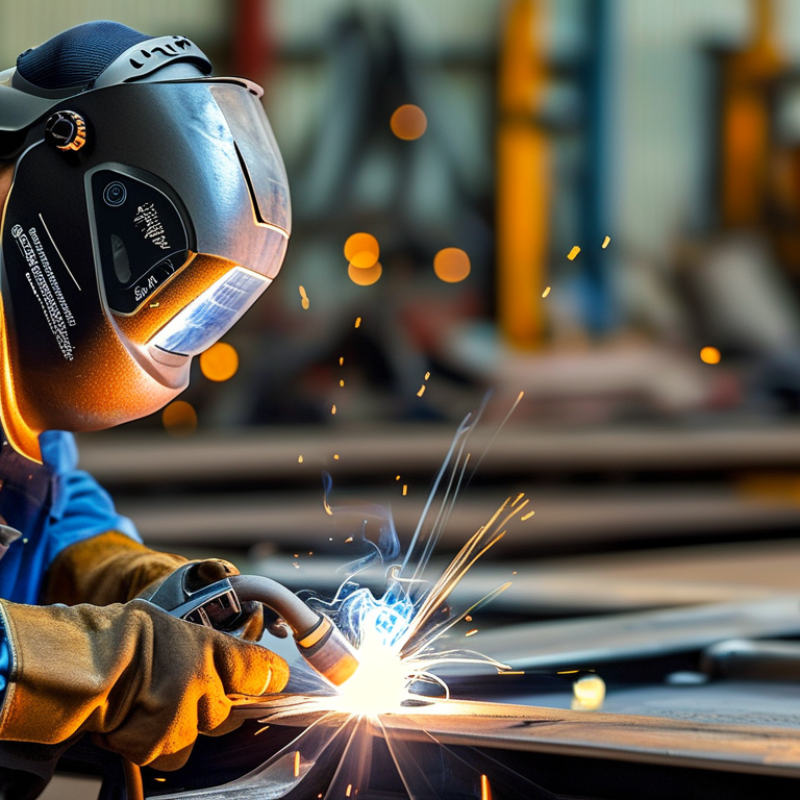
TIG welding machines are essential for precise metal joining. These machines use a non-consumable tungsten electrode to create a strong weld. Understanding how they work is crucial before making a purchase. The weld pool is shielded by an inert gas, usually argon. This prevents contamination and ensures a clean finish. It’s important to recognize that not all machines are the same.
Some machines offer more features than others. For example, adjustable AC and DC settings can enhance versatility. Many operators struggle with settings for different materials. A machine with easy-to-use controls can make a big difference. Look for models with a clear display and intuitive settings.
Investing in a high-quality TIG welder can be an overwhelming task. Budget constraints often limit your choices. However, spending a bit more on a reliable machine can lead to better results. It's helpful to consider long-term needs. Ask yourself how often you will use the machine. If you're new, consider taking a course to build skills. Reflecting on these aspects can lead to a more informed decision.
Key Features to Look for in a TIG Machine
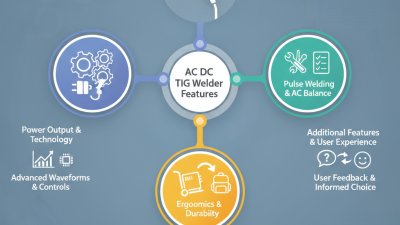
When purchasing a TIG machine in 2026, it's crucial to focus on key features that will enhance your welding projects. One major aspect is the inverter technology. This advancement provides better efficiency and reduces energy consumption by up to 30%, which can be significant for high-volume operations. Look for models that offer pulse welding settings. This feature can improve control over the weld puddle, particularly for thin materials.
Another important consideration is the duty cycle. A machine with a higher duty cycle allows for extended use without overheating. Typically, a 60% duty cycle is common in many professional machines, but some models reach 100% at lower amperages. This can be vital in demanding environments where time is scarce.
Ensure to evaluate the torch design as well. Ergonomic torches can reduce strain and fatigue during extended use. In addition, check for adjustable gas flow settings, as optimal shielding is critical for clean welds. Regularly researching and comparing specifications helps identify trends and emerging technologies. In 2026, investing in a machine that combines these features can lead to better results and increased satisfaction.
Comparing Different Brands and Models of TIG Machines
When buying a TIG machine, brand and model selection is crucial. Not all machines suit every welder's needs. Consider the material you will work with. Different machines perform better on aluminum, steel, or stainless steel. Each brand offers varied features. Researching user reviews can reveal hidden strengths and weaknesses of each model.
Evaluating power sources is essential. Look for machines that offer both AC and DC options. This flexibility allows you to tackle diverse welding tasks. Portability should also be a consideration. A lighter machine can facilitate easier transportation to job sites. However, heavier models may offer better stability during use.
Tip: Always check for warranty options. A reliable machine often comes with a robust warranty. It adds peace of mind to your investment. Don't hesitate to ask experienced welders for their insights. Gather information from multiple sources before making a decision. Balancing price and features can be challenging. Take your time, and don't rush into a choice. Reflect on your specific requirements for the best outcome.
Top 10 Tips for Buying a Tig Machine in 2026
Budgeting: How Much Should You Spend on a TIG Machine?
When budgeting for a TIG machine in 2026, understanding costs is crucial. Industry reports suggest that the price range for good-quality TIG machines typically lies between $1,000 and $3,000. However, prices can fluctuate based on features and brand. Entry-level models may be more affordable, but they often lack essential capabilities. Investing in a middle to high-range TIG machine can offer better durability and performance.
Consider your needs. For hobbyists, a basic model could suffice. Professionals might require advanced features for precise work. Remember, spending less upfront can lead to higher costs later. It's important to think long-term, especially if you plan to use the machine regularly.
Tip: Keep a checklist of features that are essential for your projects. This can help narrow down your options and avoid overspending on unnecessary features. The right choice may not always be the cheapest. Ensure you invest in a machine that suits your specific welding needs.
Analyze your budget against your expectations. Sometimes, lower-priced machines disappoint in quality. Balancing cost and quality is key. A cautious approach can prevent future regret. Be ready to adjust your budget as needed, ensuring you don't compromise on quality.
Essential Accessories to Consider When Buying a TIG Machine
When considering the purchase of a TIG machine, essential accessories play a key role in maximizing its effectiveness. One crucial accessory is a high-quality welding helmet. A helmet with auto-darkening features can significantly enhance your safety and comfort. Being aware of the specific shade range is important, too. It ensures you get the best visibility while working.
Next, invest in a proper gas lens and tungsten electrode. A gas lens improves shielding gas coverage, which leads to cleaner welds. Moreover, choosing the right tungsten type is essential for various materials. For example, a thoriated tungsten works well for steel, while zirconiated tungsten is better for aluminum. These choices can drastically affect your results.
Don't overlook accessories like welding gloves and a sturdy work table. Good gloves provide protection and dexterity. A well-equipped workspace minimizes distractions and enhances productivity. These factors can influence your overall welding experience. Quality equipment does come at a cost, but versatility in your setup can lead to better projects.
 WeChat Online Service