What Are the Top 10 Electric Welding Manufacturers in China?
China has become a major center for welding equipment design, production, and export. Its manufacturers supply workshops, construction sites, shipyards, automobile plants, and small repair businesses worldwide. This guide explores the top 10 Electric Welding manufacturers in China and explains why they deserve attention.
The selection considers product range, manufacturing experience, quality systems, export capability, service support, and practical user feedback. Some companies focus on compact inverter welders for maintenance work. Others produce heavy-duty systems for factory production lines. A useful comparison should examine duty cycle, output stability, energy efficiency, control design, spare parts, and warranty response. Small details matter. A loose cable connection or unclear control panel can slow an entire project.
No ranking is perfect.
Market position can change quickly. A respected manufacturer may still offer uneven after-sales support in certain regions. Product quality can also differ between models, production batches, and distributors. Therefore, buyers should verify technical datasheets, certification records, factory capabilities, and independent testing before placing an order. Claims such as “advanced technology” need evidence, not attractive wording.
This overview is designed for importers, contractors, distributors, engineers, and workshop owners. It combines industry knowledge with practical purchasing considerations. Each company should be judged against the actual welding task, material, working environment, and local service conditions. Price alone is not enough. Reliable performance, operator safety, stable supply, and long-term support often determine the real cost of Electric Welding equipment.
Understanding China’s Electric Welding Manufacturing Landscape
China’s electric welding manufacturing landscape is broad, technical, and highly competitive. A credible top-ten list should examine more than production volume. Engineers should compare arc stability, inverter efficiency, duty cycle, thermal protection, quality control, and after-sales support. UNIDO’s Industrial Statistics Yearbook reports that China contributed about 31.6% of global manufacturing value added in 2022. This scale supports dense supply chains for transformers, semiconductors, cables, and control systems. However, factory size does not always guarantee better welding performance.
Automation is changing purchasing decisions. The International Federation of Robotics reported 276,288 industrial robot installations in China during 2023, representing roughly 51% of global installations. This growth increases demand for compatible welding power sources, robotic interfaces, and repeatable process data. Leading manufacturers usually provide compliance evidence under standards such as IEC 60974 and quality systems aligned with ISO 9001. Buyers should also inspect test records, repair procedures, and spare-part availability. A polished catalogue is not enough.
Tips: Request sample welds on your actual steel thickness. Check voltage stability during continuous operation. Ask for independent certification files, not screenshots. Compare energy consumption at the same output current. Small details matter.
Some rankings remain imperfect. Public revenue data is often incomplete, while export figures may include unrelated equipment. Therefore, a practical top-ten assessment should combine audited information, field experience, user feedback, and technical testing. Regional service capability deserves more attention than it usually receives. A low purchase price can become expensive after one failed control board.
Key Criteria for Evaluating Electric Welding Manufacturers
Evaluating China’s top ten electric welding manufacturers requires more than comparing catalog prices. Check welding current stability, duty cycle, thermal protection, and performance under dusty workshop conditions. The International Federation of Robotics reported 276,288 industrial robot installations in China during 2023. This figure signals rising demand for repeatable welding processes and dependable automation interfaces.
Ask for test records, calibration methods, and traceable component documentation. ISO 3834 certification can indicate controlled welding quality, while IEC 60974-1 addresses key safety and performance requirements for arc-welding equipment. A serious manufacturer should provide real load tests, not only laboratory claims. Request sample welds on similar steel thicknesses. Inspect bead consistency, spatter levels, and arc response during voltage changes.
After-sales capability deserves equal weight. Confirm spare-part availability, technician response times, training, and warranty exclusions. The IEA’s Global EV Outlook 2024 reported that China accounted for more than 60% of global electric car sales in 2023. That production scale increases pressure for efficient welding equipment, but it does not guarantee every supplier’s reliability. A lower-priced machine may be practical for occasional repairs. It may fail under continuous factory use. I would also question impressive efficiency figures without test conditions. Compare energy consumption at the same output, duty cycle, and material thickness. On-site trials remain the most credible evidence.
The Top 10 Electric Welding Manufacturers in China
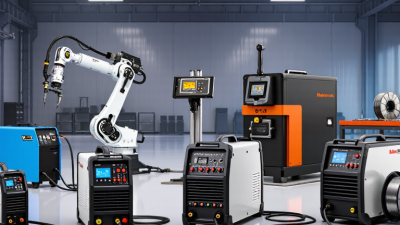
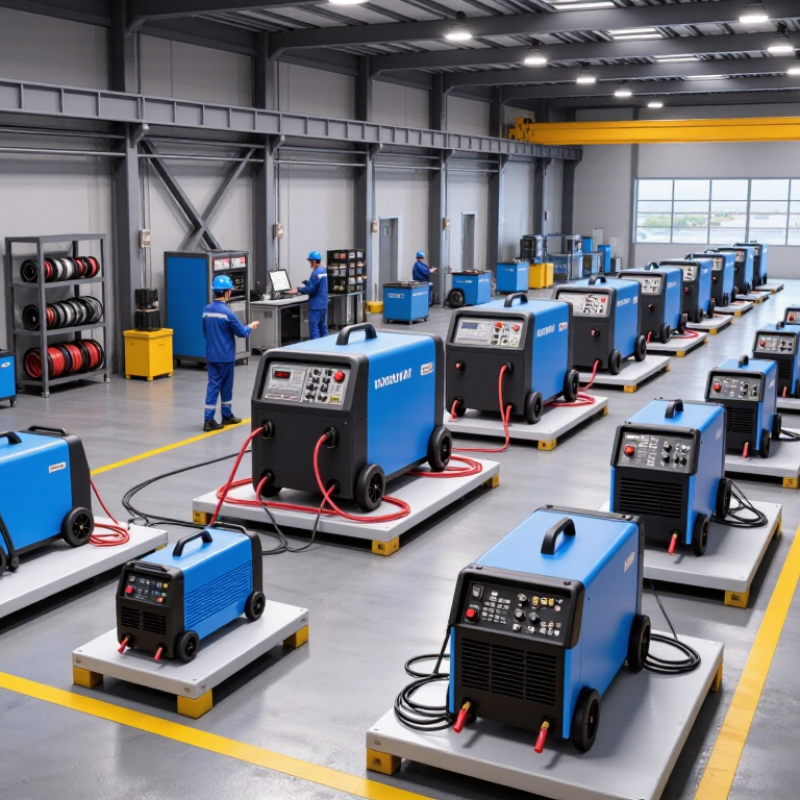
China’s top 10 electric welding manufacturers serve factories, workshops, construction sites, and maintenance teams. Their product ranges commonly include inverter welders, arc welders, spot welders, and automated welding systems. Some focus on portable machines, while others build heavy-duty equipment for shipyards and steel production.
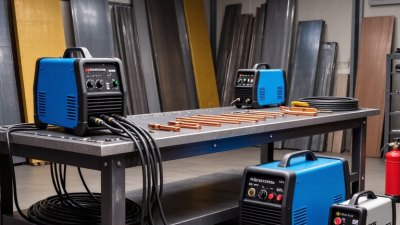
A reliable comparison should examine output stability, duty cycle, thermal protection, and repair access. A machine rated for 250 amps may perform differently under continuous workshop use. Check real operating data, not only catalog figures. Experienced buyers also inspect cable quality, electrode holders, cooling fans, and enclosure strength. These details affect daily productivity and operator safety.
The strongest manufacturers usually maintain formal quality systems, traceable testing procedures, and responsive technical support. Export experience matters because documentation, electrical standards, and spare-part availability vary by market. Some suppliers offer excellent prices but limited after-sales service. That weakness can become expensive during peak production. Others invest in robotic integration, digital controls, and energy-efficient inverter designs. However, advanced features are not always necessary for a small repair shop. Buyers should match welding current, material thickness, power supply, and workload carefully. Even this approach has limits. Factory claims may not reflect every working environment. Independent testing and sample trials remain valuable before a large purchase.
Product Categories and Technologies Offered by Leading Manufacturers
China’s leading electric welding manufacturers cover a broad product range for construction, fabrication, shipbuilding, and automated production. Their core categories include inverter MMA welders, MIG/MAG machines, TIG systems, submerged arc equipment, and resistance welders. Many suppliers also offer portable units for repair teams and high-output machines for heavy steel frames.
Technology choices vary by application. Digital inverter platforms commonly use IGBT power modules, improving energy efficiency and reducing equipment size. Pulse MIG systems help control heat input when welding thin stainless steel or aluminum. AC/DC TIG machines support aluminum work, while high-frequency starts create cleaner arc ignition. Some manufacturers combine synergic programs, wire feeders, water cooling, and remote controls in one production package.
Automation is another major category. Robotic welding cells may include positioners, seam tracking, laser vision, and production monitoring software. These systems can record current, voltage, wire speed, and operating time for quality review. In practical workshops, stable arc response matters more than attractive brochures. A high duty-cycle rating is useful, but ventilation, cable length, and operator skill also affect results. Some specifications look impressive yet remain difficult to compare. Independent testing and sample welds deserve attention before large-volume purchasing.

 WeChat Online Service