Top Welder Equipment for Global Buyers in 2026?
As the welding industry evolves, the demand for top-quality welder equipment continues to surge globally. In 2026, buyers are faced with numerous choices, making it crucial to understand the best options available. Factors such as durability, efficiency, and technological advancements play vital roles in selecting the right equipment.
In this competitive market, reliability often takes center stage. Buyers need equipment that not only meets their specific needs but also withstands the rigors of heavy use. Advanced features in welder equipment can enhance productivity but may complicate decision-making. As buyers navigate their options, balancing affordability with quality becomes essential.
Reflecting on past purchases can provide valuable insights. What worked well, and what didn’t? This self-assessment can reveal preferences and priorities. With proper understanding, buyers can make informed choices that benefit their welding projects. Choosing the right welder equipment is about more than just price—it's an investment in quality and efficiency.

Emerging Trends in Welding Equipment Technology for 2026
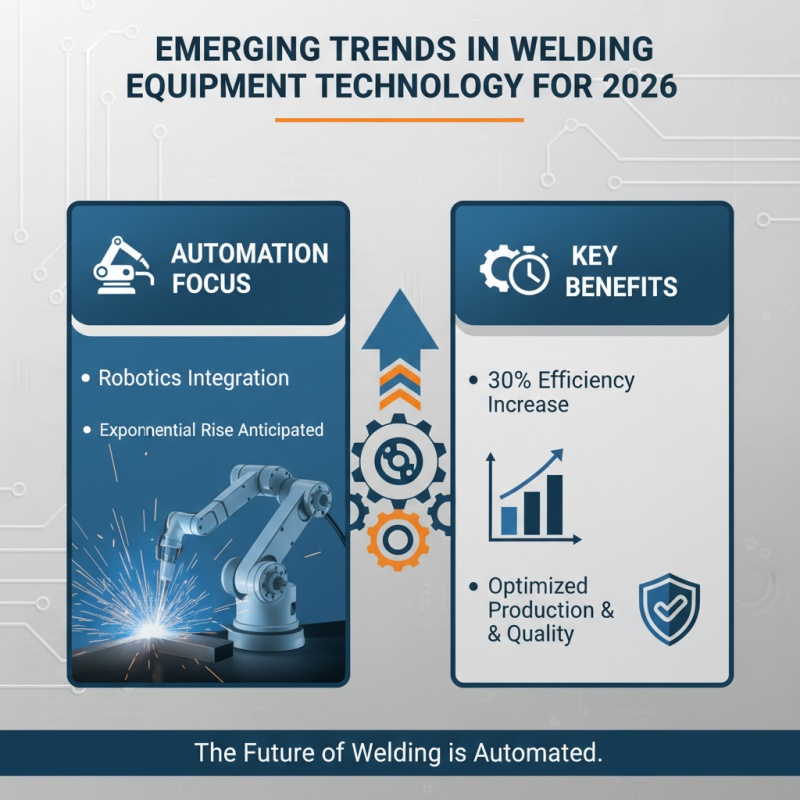
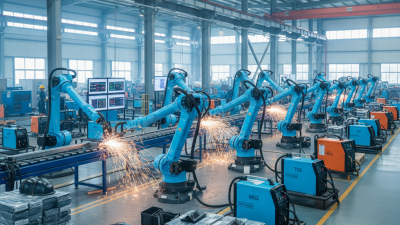
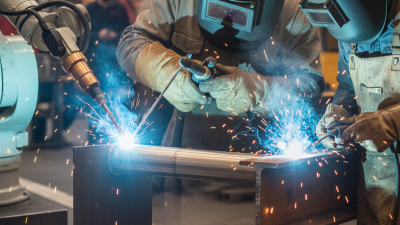
The welding equipment industry is on the brink of transformation as technology advances. By 2026, buyers can expect to see a heightened focus on automation. Robotics integration is set to rise exponentially, with reports suggesting that automated welding solutions could increase efficiency by 30%. This shift allows businesses to optimize production while ensuring consistent quality.
Moreover, safety is becoming a priority in welding technology. Wearable technology, such as smart helmets and goggles, will enhance worker safety. Current studies indicate that the global protective equipment market is expected to grow by 8% annually. These innovations promise to reduce accidents on the job, making workplaces safer for welders.
The demand for sustainable practices is also reshaping the industry. Eco-friendly materials are garnering attention, with many manufacturers exploring biodegradable welding wires. However, these materials can sometimes present performance challenges, which require ongoing research and development. As companies strive for greener solutions, balancing performance with sustainability becomes a critical focus.
Top Features to Look for in Welding Equipment by 2026
As we look toward 2026, the welding industry is evolving rapidly. Buyers should prioritize
innovative features in welding equipment.
Efficiency, durability, and safety are critical aspects. According to a recent report from the
International Welding Federation, advancements in technology will significantly increase productivity
and reduce operational costs by up to 30%.
One key feature to consider is automation. Automated welding systems enhance accuracy and minimize human error.
This trend reflects a shift towards Industry 4.0. Additionally, equipment that supports data analytics will help
welders track performance metrics more effectively. A study shows that integrating smart features can improve process efficiency by
25%.
Safety remains a top concern. Future welding equipment should incorporate enhanced protective features.
Respiratory protection and improved visor technologies are essential.
These innovations aim to decrease health risks significantly. Yet, there are challenges ahead. Not all manufacturers are on board with these advancements, leading
to inconsistent quality. Buyers must remain vigilant and informed. This reflection on potential shortcomings emphasizes the
necessity for diligent selection in the evolving market.
Leading Welding Brands and Their Innovations for Global Buyers
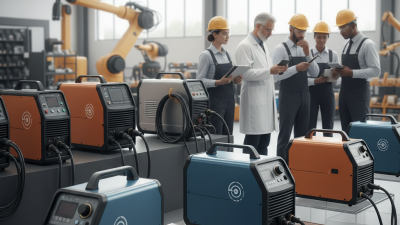
As the welding industry evolves, innovative techniques and tools are crucial. Global buyers can benefit from the continuous advancements made by leading welding brands. These companies focus on improving efficiency, safety, and precision. Innovations may include better electrode materials and automated welding systems.
Tip: When selecting equipment, consider how innovations can impact your specific projects. Look for features that enhance productivity and worker safety.
Attention to detail is key when evaluating different tools. For instance, ergonomic designs can reduce fatigue during extended use. Additionally, checking compatibility with existing systems is essential to avoid costly adjustments later.
Tip: Always verify the latest technologies. Being informed helps in making smarter purchasing decisions. Seek out expert reviews if available. Balancing innovation with practical application can streamline operations and reduce overhead costs.
Cost Considerations and Budgets for Welding Equipment Purchases
The welding equipment market is expected to face significant budget considerations by 2026. Research indicates that global spending on welding equipment is projected to reach $27 billion. Factors influencing this growth include technological advancements and the rising demand for skilled labor.
Cost-effective solutions are now crucial for buyers. High-quality welding machines can vary dramatically in price, often exceeding $1,500. However, budget-conscious decisions can yield suitable equipment for as low as $600. Many buyers overlook maintenance costs, which can add an additional 20% to the initial purchase price.
The evolving landscape demands that buyers prioritize quality and reliability. Investing in more durable equipment can lead to long-term savings. Yet, many businesses still opt for lower-priced options, risking efficiency and performance. As standards for productivity rise, understanding the balancing act between upfront costs and long-term value becomes essential.
Top Welder Equipment for Global Buyers in 2026 - Cost Considerations and Budgets for Welding Equipment Purchases
| Equipment Type |
Average Price (USD) |
Key Features |
Budget Range (USD) |
| MIG Welder |
$1,200 |
Fast welding speeds, ease of use |
$800 - $1,500 |
| TIG Welder |
$2,000 |
Precision welding, capable of welding thin materials |
$1,500 - $2,700 |
| Stick Welder |
$500 |
Versatile, portable, good for outdoor use |
$300 - $800 |
| Plasma Cutter |
$1,500 |
High precision cutting, minimal heat distortion |
$1,000 - $2,000 |
| Welding Helmet |
$200 |
Auto-darkening feature, lightweight |
$100 - $300 |
Global Market Demand and Buyer Preferences in Welding Equipment
The welding equipment market is evolving rapidly.
In 2026, global demand will likely emphasize portability and automation. Buyers increasingly prefer lightweight tools that offer high efficiency. This trend is driven by the need for flexibility in various job sites and applications. Buyers value machines that are easy to transport and set up.
User preferences are shifting towards integrated technology. Many look for features like smart controls and connectivity options. These advancements can improve productivity and reduce skill barriers. However, some buyers express concerns about the learning curve associated with new technologies. Not all professionals feel ready to embrace these innovations.
Durability remains a key factor in buyer decision-making. Welders often cite the importance of robustness in equipment. Tools must withstand tough conditions and heavy use. While many advancements aim to enhance user experience, their reliability is crucial. Buyers also reflect on maintenance costs, as some modern tools may require more care. Such considerations highlight the ongoing challenge of balancing innovation with practicality in the welding industry.

 WeChat Online Service