2026 Best Smaw Stick Welding Techniques for Global Buyers?
Smaw Stick Welding, also known as Shielded Metal Arc Welding, is a fundamental technique in the welding industry. It requires skill and precision, making it essential for global buyers to understand the best techniques. In 2026, the demand for effective Smaw Stick Welding methods continues to rise. This growth reflects the need for high-quality welding in numerous applications.
As global buyers seek reliable solutions, knowledge about Smaw Stick Welding techniques becomes crucial. The effectiveness of these methods impacts project outcomes and overall performance. Buyers must navigate various techniques, understanding their benefits and limitations. While many resources exist, not all are equally trustworthy or accurate. Engaging with authoritative sources is vital for making informed decisions.
Welders often face unique challenges. Each project may require adjustments in technique. Understanding these nuances will enhance outcomes. Some may overlook simple mistakes, which can lead to costly errors. Reflecting on one’s practices can improve skills and ensure more successful results. In a competitive landscape, mastering Smaw Stick Welding could be the difference between success and failure.
Best Smaw Stick Welding Techniques for Beginners in 2026
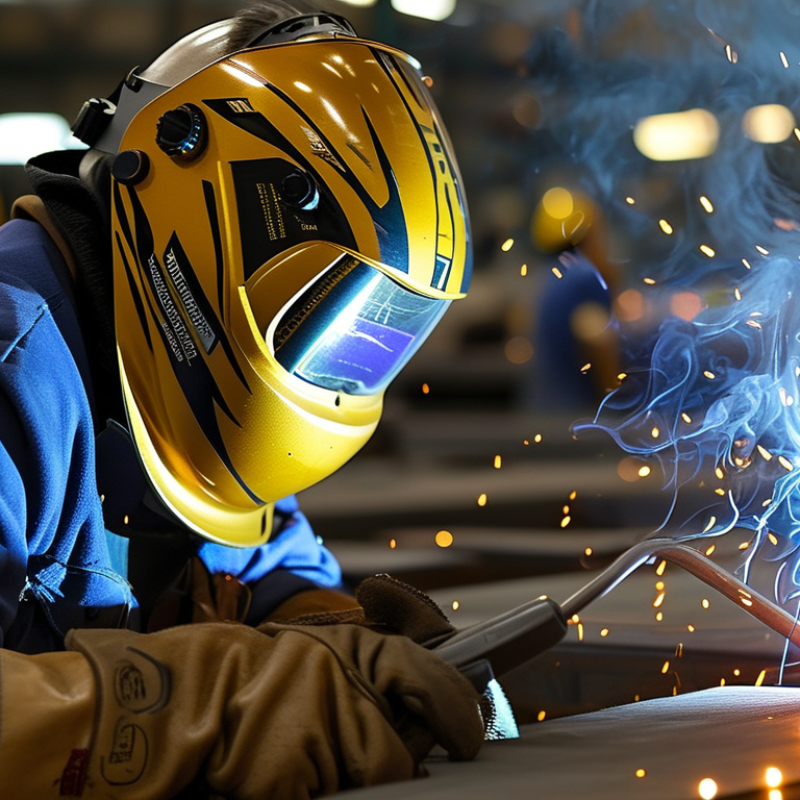
For beginners diving into Smaw stick welding in 2026, mastering the basics is crucial. Start by understanding the equipment. The right electrode can make a significant difference in your welding quality. Choose electrodes suited for your base materials.
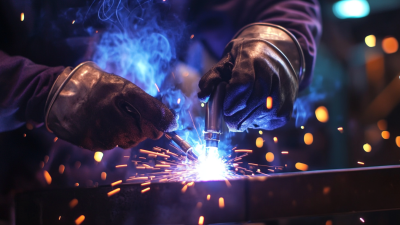
Practice holding the electrode at the correct angle. It should be around 15 to 30 degrees from vertical for optimal penetration.
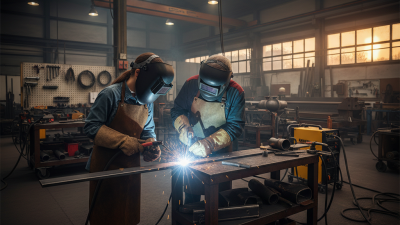
Prepare your workspace by ensuring good ventilation. Stick welding produces fumes, and a safe environment is vital. Pay attention to your stance and grip. A steady hand leads to cleaner welds. Adjust your travel speed; too fast can lead to weak joints, while too slow might burn through the material. Regularly check your work for consistency; this will help you identify areas for improvement.
Mistakes will happen. Don’t be discouraged by poor bead appearance or uneven penetration. Analyzing errors is key to growth. Review your technique regularly and seek feedback from experienced welders. Remember, mastering Smaw takes time. Focus on skill development instead of rushing to perfect your craft. Enjoy the journey!
Essential Equipment Needed for Effective Smaw Stick Welding
SMAW (Shielded Metal Arc Welding) is a versatile welding process valued for its effectiveness. Essential equipment plays a critical role in achieving high-quality results. A reliable welding machine is paramount. It should handle various electrodes and amperages. Ensure it has adjustable settings. This flexibility allows for different project requirements, which is especially important for beginners.
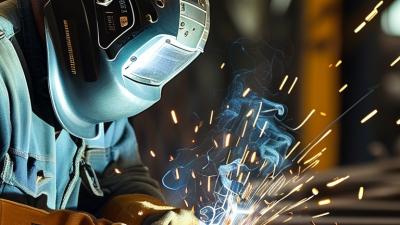
Personal protective equipment (PPE) is vital. A good welding helmet protects your eyes and face from harmful rays. Quality gloves should fit well and withstand heat. Not all gloves provide adequate protection. A welding jacket adds another layer of safety against sparks and spatter. Don't underestimate the need for sturdy boots. They protect your feet in case of equipment failure.
Electrodes are the heart of the process. Various types serve specific materials and thicknesses. Filler metal should match the base material. Compatibility is essential for achieving strong welds. A brush or grinder is necessary for surface preparation and cleanup. It's easy to overlook cleaning, but it directly impacts the weld's quality. Each piece of equipment contributes to the overall success of your project. Consider the details to improve your technique.
Safety Precautions Every Smaw Stick Welder Must Follow
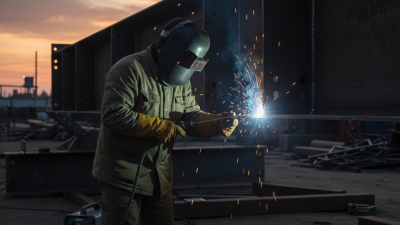
Welding is an essential skill, but safety is paramount. Every SMAW stick welder must prioritize their health while working. The arc can produce intense heat and harmful UV rays. It’s vital to wear protective clothing. A flame-resistant jacket, gloves, and long pants are necessary. Safety goggles should fit well to protect the eyes.
Respiratory protection is crucial too. Fumes from welding can harm lungs. Using a suitable respirator can help prevent long-term damage. Work in a well-ventilated area, if possible. Watch for spills or hazards around your workspace. Keep the area clean to avoid slips and falls.
Another notable issue is the tool inspection. Regularly check your equipment for damage. Worn-out cables or faulty machines can lead to accidents. Don’t overlook small issues; they can escalate into dangerous situations. Each welder must take personal responsibility to ensure a safe working environment. Safety isn't optional; it’s a fundamental part of welding.
Advanced Smaw Techniques for Skilled Welders in 2026
Mastering Smaw stick welding requires advanced techniques, especially for skilled welders in 2026. As the industry evolves, welders must adapt to new challenges. Proficiency in different electrodes and their applications is key. Selecting the right electrode affects penetration and bead shape. Chaptering the techniques can streamline learning, but practice is crucial.
Welders should focus on arc stability. A stable arc allows precise welds with minimal defects. Proper angle and travel speed also play a significant role. Adjusting the torch angle can impact heat distribution. This requires both knowledge and intuition. Experienced welders often face unexpected issues, such as burn-through. Reflecting on these challenges can lead to better strategies.
Consistent training is essential. Affiliations with welding societies can provide valuable resources. Joining workshops deepens expertise. Exposure to various materials enhances skill levels. Effective communication with fellow welders promotes knowledge sharing. As techniques evolve, continuous learning is non-negotiable.
Troubleshooting Common Smaw Stick Welding Issues and Solutions
SMAW stick welding is a valuable skill, but issues can arise during the process. One common problem is inconsistent arc stability. This often leads to poor weld quality. To tackle this, ensure the electrode is dry and clean. Damp or contaminated rods can cause porosity in the weld. Keeping a consistent travel speed helps maintain a stable arc, reducing defects.
Another frequent challenge is the formation of slag inclusions. These defects occur when slag traps in the weld pool before solidifying. Proper technique is crucial here. Maintain the correct angle while welding and clean the weld area thoroughly before starting. Use a chipping hammer or wire brush to remove any slag between passes.
Welding under challenging conditions can also lead to issues such as burn-through. This often happens on thinner materials. Adjust your amperage settings accordingly. If the heat is too high, it may penetrate too deeply. Practice on scrap material before working on the main project. Adjusting your approach based on feedback and observation is key to improving skills in stick welding.
 WeChat Online Service