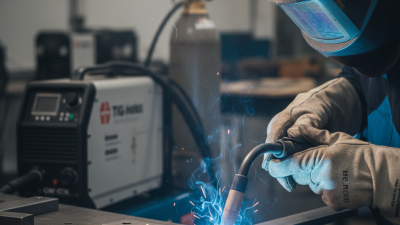
China Top Flux Core Welder Guide for Beginners and Professionals?
The world of welding is vast and filled with specialized tools. Among them, the Flux Core Welder stands out. This equipment is vital for both beginners and experts alike. It offers flexibility, portability, and ease of use. Many welding projects can benefit significantly from using this type of welder.
Choosing the right Flux Core Welder can be daunting. There are numerous brands and models available, each with unique features. New welders may feel overwhelmed by the variety, while seasoned professionals often seek specific capabilities. Understanding the essential functions and limitations is crucial. A well-informed choice can make a substantial difference in project outcomes.
There’s much to learn about mastering the Flux Core Welder. Experience plays a vital role in improving your skills. Practicing often is necessary, yet mistakes provide valuable lessons too. Reflecting on past projects can reveal areas for growth. Embrace the journey of becoming proficient with this powerful welding tool.
Overview of Flux Core Welding Technology in China
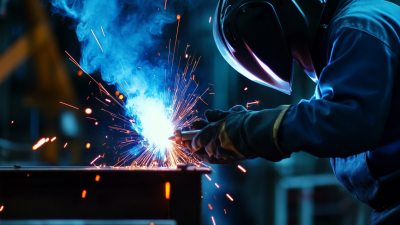
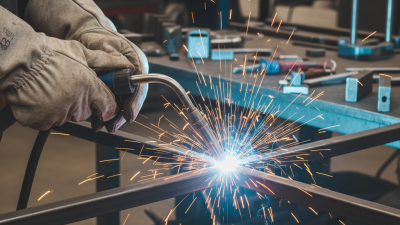
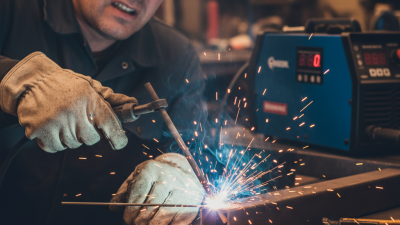
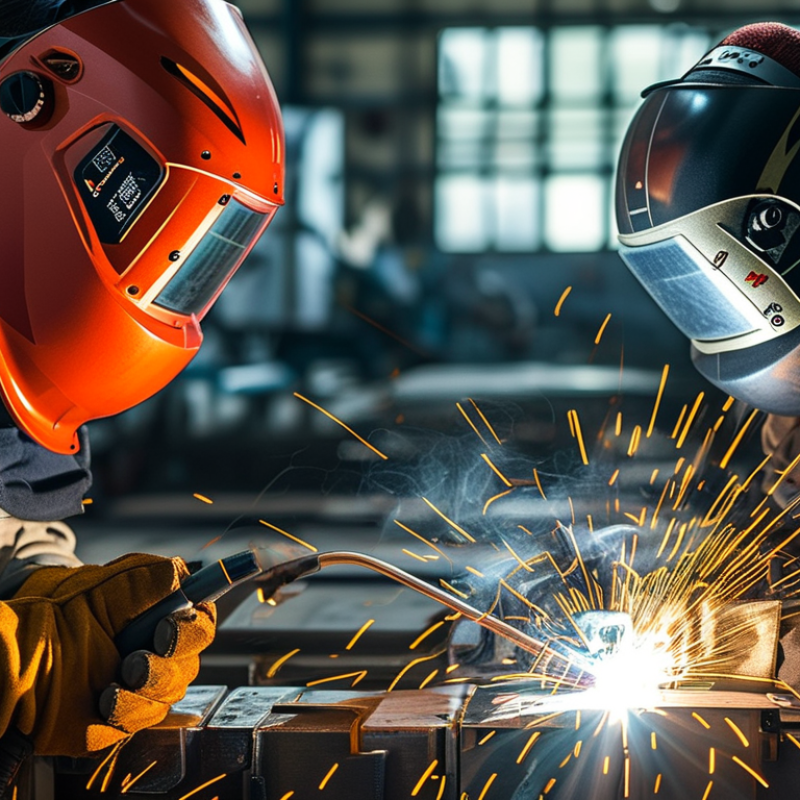
Flux core welding has gained significant traction in China. This process offers versatility and convenience, especially for construction and manufacturing. The technology uses a tubular wire filled with flux, which provides a shielding gas when heated. This prevents oxidation and helps achieve strong welds. In China's booming industrial sector, this method is often favored for its efficiency and effectiveness.
Many beginners may struggle with the technique at first. Proper settings and practices are crucial for quality results. Many novice welders face issues with spatter and weak joints. Learning to adjust the voltage and wire feed speed can greatly improve outcomes. It's important to remember that practice is essential in mastering this skill. For professionals, understanding the nuances of different materials enhances their ability to deliver strong, reliable welds.
China's investment in welding technology continues to expand. Workshops and training programs are readily available, helping to bridge the skill gap. However, there's still a need for more emphasis on safety protocols. Improper handling of equipment can lead to accidents. The focus on quality training ensures that all welders, both new and experienced, can contribute effectively to the industry.
Essential Safety Precautions for Flux Core Welding
Safety is paramount in flux core welding. Accidents can happen if proper precautions aren’t taken. According to the American Welding Society, injuries in welding can occur at a rate of around 0.7 injuries per 100 workers annually. This statistic underscores the need for safety measures.
Before starting, proper personal protective equipment (PPE) is crucial. Welders should use gloves that are heat resistant. Protective clothing can prevent burns. A welding helmet with the right shade is essential to protect from bright light. For respiratory safety, a suitable mask is necessary to avoid inhaling harmful fumes. Studies show that proper use of PPE can reduce injury rates significantly.
Another key area is workspace organization. A cluttered environment can lead to accidents. Proper ventilation is often overlooked, yet it's vital in reducing harmful gas concentrations. Regularly inspecting equipment can prevent malfunctions. According to industry reports, nearly 30% of welding accidents stem from equipment issues. This points to the importance of maintaining gear.
Training is essential, yet often lacking. Many beginners skip safety training, which can lead to serious repercussions. Those who are experienced must also stay updated on safety protocols. Continuous learning is necessary in this evolving field. Engaging in regular safety assessments can highlight areas needing improvement. Without reflection and adaptation, risks remain high.
Choosing the Right Flux Core Welder for Various Projects
Choosing the right flux core welder can make or break your project. Whether you're a beginner or an experienced welder, understanding your needs is vital. The process of selecting an appropriate welder involves considering material types, thickness, and project complexity. For instance, welding thin sheets requires different settings than thicker materials. Think about the metals you will work with. Will it be mild steel, stainless steel, or something else? This choice directly impacts the flux core wire you will need.
A crucial factor is the amperage range of the welder. This range determines the thickness of the materials you can weld effectively. Beginners often overlook this. If you choose a welder that's too weak, the results will be disappointing. On the other hand, opting for a machine that is too powerful could lead to burning through the material, creating more work in the long run.
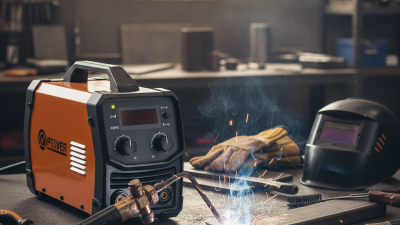
Consider additional features as well. Adjustable voltage settings can enhance your welding versatility. Some welders offer spool guns for aluminum work, which may be useful for specific projects. Research thoroughly to understand each feature's benefits and drawbacks. It can feel overwhelming, but knowing what you need helps refine your choices. Trust the facts and make informed decisions to improve your welding skills over time.
Techniques and Tips for Effective Flux Core Welding
Flux core welding is a popular method among both beginners and professionals. It is known for its adaptability to various conditions, such as windy weather, where traditional MIG welding struggles. According to industry data from the American Welding Society, flux core welding accounts for approximately 60% of all welding activity in construction projects. This versatility makes mastering the technique essential for welders.
One effective technique is to maintain a steady travel speed. A consistent speed ensures better penetration and a clean bead appearance. It’s vital to adjust your skills based on metal thickness and type. Overheating can lead to burn-through, particularly on thin materials. Use a wire feed speed between 200 to 400 inches per minute for optimal results. Keep your angles between 15 to 30 degrees to guide the weld pool smoothly.
For effective practice, set up a realistic welding scenario at home. Simulate different positions and practice controlling the bead. Mistakes are part of the learning process; they help refine skills. Review your welds critically. If the surface is inconsistent or has excessive spatter, reflect on your techniques. Adjust your travel speed or distance from the workpiece. Continuous learning and adaptation are keys to becoming proficient in flux core welding.
Maintenance and Troubleshooting for Flux Core Welders
When it comes to flux core welders, maintenance is crucial. A study by the American Welding Society reveals that regular upkeep can extend equipment life by 30%. For novices and seasoned pros alike, understanding how to maintain your welder ensures efficiency.
Start with the most straightforward task: cleaning. Dust and debris can accumulate quickly. Using a soft brush or compressed air on the machine keeps it functioning optimally. Inspecting the gas nozzle and contact tip regularly can prevent costly downtime.
Common troubleshooting issues often stem from improper settings. For instance, if you notice inconsistent welds, check the voltage settings first. A miscalibrated welder can lead to poor penetration. Over time, operators might overlook the importance of calibrating their machines. Regular adjustments can avert frustrations and improve output quality. Keeping a log of adjustments helps track issues over time, ensuring you learn from your experiences.

 WeChat Online Service